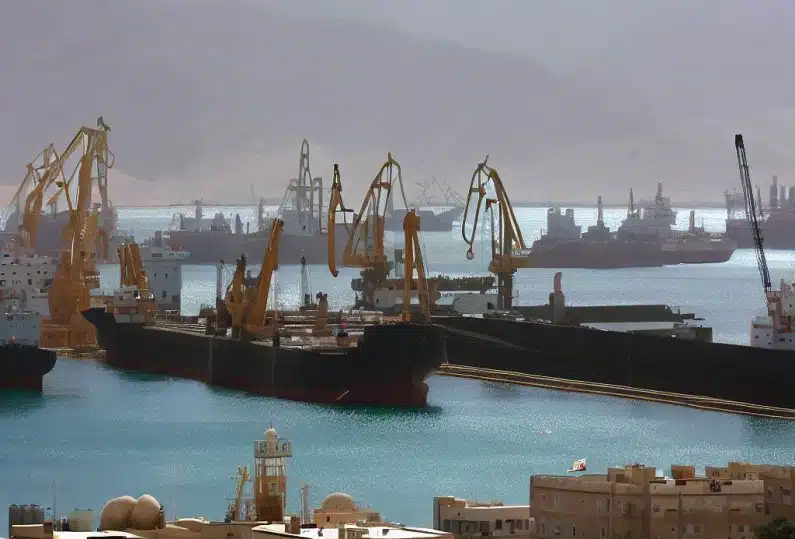
Freight Forwarding from Houston to Yemen
You need to move equipment or cargo from Texas to Yemen, one of the hardest shipping destinations in the world right now. Texas International Freight can assess the routing, prepare the export documentation, and arrange war-risk cover, but Yemen is an active conflict zone, and any move starts with an honest look at whether your cargo can reach its destination safely and legally. We tell you what is realistic before you commit.
An Active Conflict Zone
Yemen has been at war since 2014, and its waters sit on one of the most contested shipping lanes in the world. Since late 2023, Houthi forces have attacked more than 100 commercial vessels in the Red Sea, the Bab-el-Mandeb Strait, and the Gulf of Aden, sinking ships and killing crew. Attacks paused in late 2025 and resumed in early 2026, and most major carriers still route around the Cape of Good Hope rather than transit the southern Red Sea. War-risk insurance premiums run high, and the US Maritime Administration advises vessels to stay well clear of Yemen’s coastline. Any shipment to Yemen carries risk that does not apply to an ordinary trade lane.
Which Port, and Who Controls It
Yemen’s ports are split between two authorities, and that decides almost everything about a shipment. Aden and Mukalla, on the Gulf of Aden in the south, operate under the internationally recognized government, and vessels calling there clear through the coalition coordination cell in Riyadh before arrival. Hodeidah and Saleef, on the Red Sea, are held by the Houthis, cleared through the United Nations Verification and Inspection Mechanism in Djibouti, and have been struck from the air more than once. The control picture sets the routing, the clearance channel, and the risk, so the destination port is the first thing we establish.
Routing From the US Gulf
Cargo for Aden can approach from the Indian Ocean and the Gulf of Aden without entering the Red Sea, which keeps it clear of the worst of the Bab-el-Mandeb risk, though the wider Gulf of Aden is still a threat area. Cargo for the Red Sea ports has to transit Bab-el-Mandeb, which most lines avoid. In practice that often means transshipment through a regional hub such as Salalah, Djibouti, or Jebel Ali and a feeder or coastal vessel for the final leg. We build the routing around the destination, the carrier’s risk appetite, and the insurance.
Sanctions and Export Controls
Yemen shipments need careful compliance screening. US export rules apply, and dealings connected to Houthi-controlled areas can raise sanctions exposure, so cargo, consignee, and end use are screened before anything is booked. We will not move a shipment that fails screening, and we are direct with you about what is and is not permitted.
What We Can Move and How
For shipments that clear screening and have a workable route, we handle the documentation, war-risk insurance, and coordination a Yemen move requires. Cargo travels in containers or, for oversized units, as breakbulk and project cargo with proper export packing, blocking, and bracing. Our team files the Automated Export System data, prepares the commercial invoice, packing list, and bill of lading, and works with destination agents on clearance through the correct channel and on cargo and war-risk insurance.
Working With a Houston Freight Forwarder
The real value on a destination like Yemen is judgment. We tell you whether the move is feasible, what it will realistically cost in freight and war-risk premium, and how long it will take, then coordinate the legs that make it work. The same desk runs cargo across the region, including Saudi Arabia, Egypt, and the wider Middle East, when a project needs an alternative gateway.
Weighing a shipment to Yemen? Contact Texas International Freight for a candid feasibility assessment before you commit. Send the cargo details, destination port, and consignee, and we will tell you what is possible. Call +1 877-489-9184 to reach our team.
Is it possible to ship to Yemen right now?
Sometimes, depending on the destination port, the cargo, and compliance screening. The southern ports of Aden and Mukalla are more accessible than the Houthi-held Red Sea ports. We assess feasibility, routing, and risk before you commit to a shipment.
Which Yemeni ports are operating?
Aden and Mukalla on the Gulf of Aden run under the recognized government and clear through the coalition cell in Riyadh. Hodeidah and Saleef on the Red Sea are Houthi-held, clear through UN inspection in Djibouti, and have been hit by airstrikes.
Does the Red Sea situation affect shipping to Yemen?
Directly. The southern Red Sea and Bab-el-Mandeb have seen sustained attacks on commercial vessels, most carriers avoid the route, and war-risk premiums are high. Aden can be reached from the Gulf of Aden side, which avoids the Red Sea transit.
Do I need special insurance for Yemen?
Yes. War-risk insurance on top of standard cargo cover is needed, and premiums run high given the conflict. We arrange the cover as part of the booking.
Are there sanctions concerns with shipping to Yemen?
There can be. Dealings tied to Houthi-controlled areas can raise sanctions exposure, so we screen the cargo, consignee, and end use before booking and will not move a shipment that fails compliance screening.


