
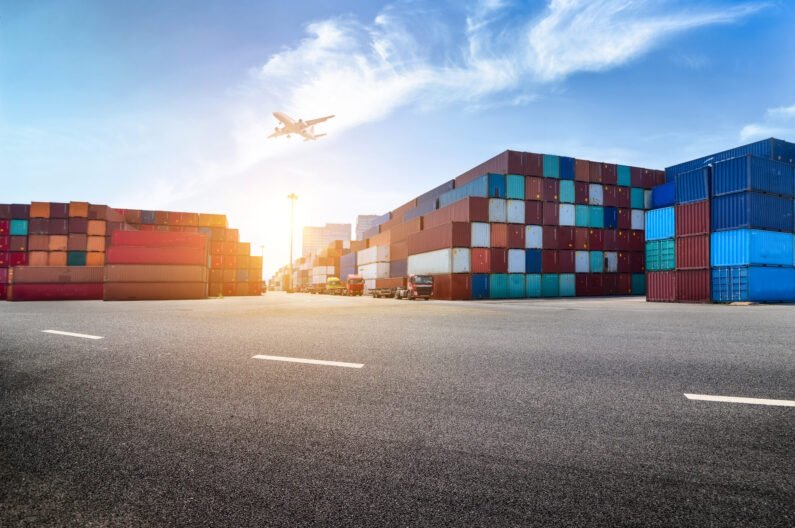
Understanding the Role of the Carrier in Freight Transportation
In the complex world of logistics, understanding the roles of different parties is essential for smooth operations. Among the key players are the shipper, consignee, and carrier. While the shipper initiates the shipment and the consignee receives it, the carrier is the backbone of the transportation process.
Every move of heavy machinery, breakbulk cargo, agricultural equipment, or oil and gas components depends on a carrier that controls vehicles, drivers, vessels, and operational processes. Clear separation of roles reduces confusion when shipments face delays, damage, or customs issues, because each party knows which responsibilities belong to the carrier and which remain with the shipper or consignee.
Defining the Carrier
A carrier is a company responsible for transporting freight from its origin to its final destination. Carriers operate the physical assets used in the movement of goods, which can include:
- Trucks (for road transport)
- Vessels (for maritime shipping)
- Aircraft (for air freight)
- Railcars (for rail transport)
- Small-package vehicles (for express deliveries)
In practical terms, a carrier controls drivers, captains, pilots, and operating staff who move your freight. The carrier issues key transport documents such as bills of lading, air waybills, or trucking delivery receipts. These documents confirm that cargo has been received, moved, and delivered under defined terms that govern liability and claims.
Logistics providers such as Texas International Freight often contract with multiple carriers to move heavy machinery or project cargo along complex routes. The carrier may handle a single leg of the journey, while a freight forwarder coordinates the overall supply chain and selects appropriate carriers for each segment.
Examples of Carriers
Carriers come in various forms, depending on the mode of transport and the type of cargo:
- A trucking company moving construction machinery from Houston to Denver under a full truckload contract
- A Class I railroad hauling bulk commodities and loaded flatcars of equipment across the United States
- An international airline transporting time-critical cargo such as urgent drilling components or spare parts
- A steamship line handling breakbulk and project cargo between major ports, using bills of lading that define ocean carriage terms
- A parcel and express company managing small, high-value shipments, spare parts, and documents on tight delivery timelines
Some companies operate as asset-based carriers in one mode and use partner carriers for the rest of the journey. A steamship line may offer door-to-door service by combining its vessels with contracted trucking carriers for inland drayage. From the shipper’s perspective, each leg still involves a carrier that accepts custody of the freight and issues proof of movement.
Carrier Responsibilities
Carriers play a crucial role in the logistics chain. Their main responsibilities include:
- Safe transportation of cargo
- Compliance with regulatory requirements
- Maintenance of transportation equipment
- Timely delivery of freight according to the agreed terms
Safe transportation covers loading, securing, and handling freight to prevent damage. For heavy machinery or breakbulk cargo, this involves proper use of chains, straps, blocking, and bracing, along with adherence to weight distribution rules. A carrier that handles oil and gas machinery must know how to secure long drill pipe or tall skids on flatbeds and lowboys.
Regulatory compliance includes driver hours of service rules, hazardous materials regulations, customs requirements for cross-border moves, and equipment inspections. A carrier moving freight from the United States into Mexico or Canada must respect both U.S. and foreign regulations, often working alongside specialized customs brokers for border crossings.
Equipment maintenance obligations ensure that trucks, trailers, vessels, aircraft, and railcars remain roadworthy and seaworthy. Poor maintenance increases the risk of accidents, cargo damage, and delays. Reliable carriers invest in preventive maintenance programs so that project-critical loads such as mining equipment reach site on time.
Timely delivery commitments are defined in contracts, tariffs, or service-level agreements. When a carrier accepts freight, it commits to a schedule, even if external factors such as weather, port congestion, or road closures sometimes affect transit. Clear communication with shippers and consignees supports realistic expectations and helps resolve issues early.
Carrier vs. Consignee vs. Shipper
It’s important to distinguish between these three key parties:
- Shipper: The party that sends the goods and initiates the shipment.
- Consignee: The individual or business that receives the freight at the destination. The consignee becomes responsible for the shipment once it arrives and is recorded as the freight receiver on the bill of lading.
- Carrier: The company that physically transports the goods from the shipper to the consignee.
On a bill of lading, the shipper appears as the party tendering the cargo to the carrier. The consignee appears as the party authorized to receive the shipment at destination. The carrier’s name appears as the transport company that accepts custody of the freight and issues the transport document. Each role carries different rights and obligations if freight is lost, delayed, or damaged.
In many transactions, a freight forwarder coordinates the move and arranges carriers on behalf of the shipper. For more detail on how these responsibilities interact, review the difference between shipper and carrier in logistics contracts. Clear documentation avoids disputes about which party must file claims or absorb extra charges such as storage or demurrage.
Can One Company Be Both Shipper and Consignee?
Yes. For example, a company sending equipment from its Houston facility to its own site in Denver will appear as both shipper and consignee on the bill of lading.
This situation occurs frequently in project logistics and industrial supply chains. A mining company may ship spare parts from a central warehouse to a remote mine site, or an oil and gas operator may reposition rigs and support equipment between fields. In each case, the same legal entity owns the freight at both origin and destination, while the carrier still acts as the independent transport provider.
When one company appears as both shipper and consignee, documentation must still identify the correct delivery location, contact details, and receiving procedures. Clear receiving instructions help the carrier plan access routes, equipment, and delivery windows for heavy machinery or oversize loads.
Contact Information:
- Phone: +1 877-489-9184
- Email: sh**@***********ht.com
- Address: 11511 Katy Fwy #320, Houston, TX 77079
- Web Form: Request Classification Assistance
Frequently Asked Questions (FAQ)
What is the difference between a consignee and a shipper?
A consignee is the freight receiver at destination.
A shipper is the party that sends the goods and initiates the shipment.
In most cases, the consignee becomes responsible for unloading arrangements, local handling charges, and customs clearance when the cargo arrives. The shipper focuses on preparing cargo, packaging, export documentation, and coordination with the carrier or freight forwarder at origin.
Can the consignee be changed after the shipment has departed?
Yes, but the carrier or freight forwarder must approve the change.
It usually requires a revised bill of lading or official written authorization.
Change requests often arise when ownership transfers during transit or when a customer asks for delivery to a different branch location. Carriers and forwarders review trade compliance, payment status, and local regulations before agreeing to amend consignee information, especially for international shipments.
Does the consignee need to pay charges before receiving the cargo?
Sometimes.
If the shipment is marked freight collect, the consignee pays transportation charges upon delivery.
If it is prepaid, the shipper covers these costs.
Beyond linehaul freight charges, additional fees such as storage, demurrage, or customs duties may also be due at destination. Commercial terms in the sales contract and Incoterms allocation determine who bears those costs for each shipment.
What responsibilities does a carrier have?
A carrier must safely transport the cargo, follow regulatory requirements, maintain equipment, and deliver freight according to the agreed terms.
The carrier also issues transport documents, records exceptions at pickup and delivery, and communicates delays that arise from weather, port congestion, or border inspections. When damage occurs, timely inspection reports and clear photos help support claims that shippers or consignees may file under the carrier’s liability rules.
Can one company act as both shipper and consignee?
Yes.
For example, a company sending equipment from its Houston facility to its own site in Denver will appear as both shipper and consignee on the bill of lading.
In those moves, the carrier remains a separate party that provides transport capacity and assumes custody of the freight. Internal shipments still require accurate bills of lading, correct weight declarations, and clear site access instructions so that carriers can plan safe and efficient delivery of machinery, breakbulk cargo, or other high-value equipment.