Ocean and Air Freight to Hong Kong from Houston and the Gulf Coast
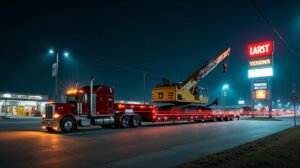
You need to move machinery, breakbulk cargo, or project equipment from Texas to Hong Kong, or through Hong Kong into southern China. Texas International Freight books ocean and air capacity from Houston and the Gulf Coast to the Port of Hong Kong and Hong Kong International Airport, prepares the export filing, and coordinates clearance and onward delivery. We handle the heavy and oversized cargo that parcel carriers will not touch.
Why Hong Kong Clears Faster Than Most Asian Ports
Most ports add cost at the pier. Hong Kong takes it away. The territory is a free port, so the largest line on a typical landed-cost sheet simply does not exist here.
- Zero customs tariff – no duty on imports, so your excavator, generator, drilling module, or agricultural machine enters duty-free
- No VAT or GST – no sales-style tax stacked on top of the cargo value
- Four excise items only – liquor above 30 percent alcohol, tobacco, hydrocarbon oil, and methyl alcohol; industrial equipment is not on the list
- Its own rulebook – Hong Kong runs an independent customs regime as a separate territory under one country, two systems, so mainland rules do not apply at the pier
For a shipper, that means a simpler quote, fewer surprises at clearance, and a landed cost you can plan before the cargo sails.
Import Declaration and the Transshipment Question
The first decision on any Hong Kong shipment is whether the cargo is a full import or a transshipment. Goods that stay sealed and move straight through to another country count as transshipment and attract no duty, while goods entering Hong Kong commerce count as a full import. A full import needs an import declaration lodged with Hong Kong Customs within 14 days of arrival, and the carrier files advance cargo data through the EMAN system for sea freight or ACCS for air. Hong Kong is folding its import and export declarations into the Trade Single Window from 2026, and the older ROCARS land-border system gives way to the same window by mid-2026. We file the right declaration the first time so your equipment is not held for a classification fix.
The Port of Hong Kong and the Air Gateway
The Kwai Tsing Container Terminals at Kwai Chung, Tsing Yi, and Stonecutters Island handle most of the port’s container traffic under operators such as Hongkong International Terminals, Modern Terminals, and COSCO-HIT. The port moved 13.7 million TEU in 2024, with close to 60 percent of that as transshipment cargo. Container service through ocean freight suits crated machinery and parts, while out-of-gauge units move as breakbulk cargo, by roll-on roll-off, or through the mid-stream and public cargo working areas that take conventional and project loads. Time-critical spares fly into Hong Kong International Airport at Chek Lap Kok, one of the world’s busiest cargo airports, through air freight.
A Gateway to the Greater Bay Area
Most cargo that lands in Hong Kong is passing through, not staying.
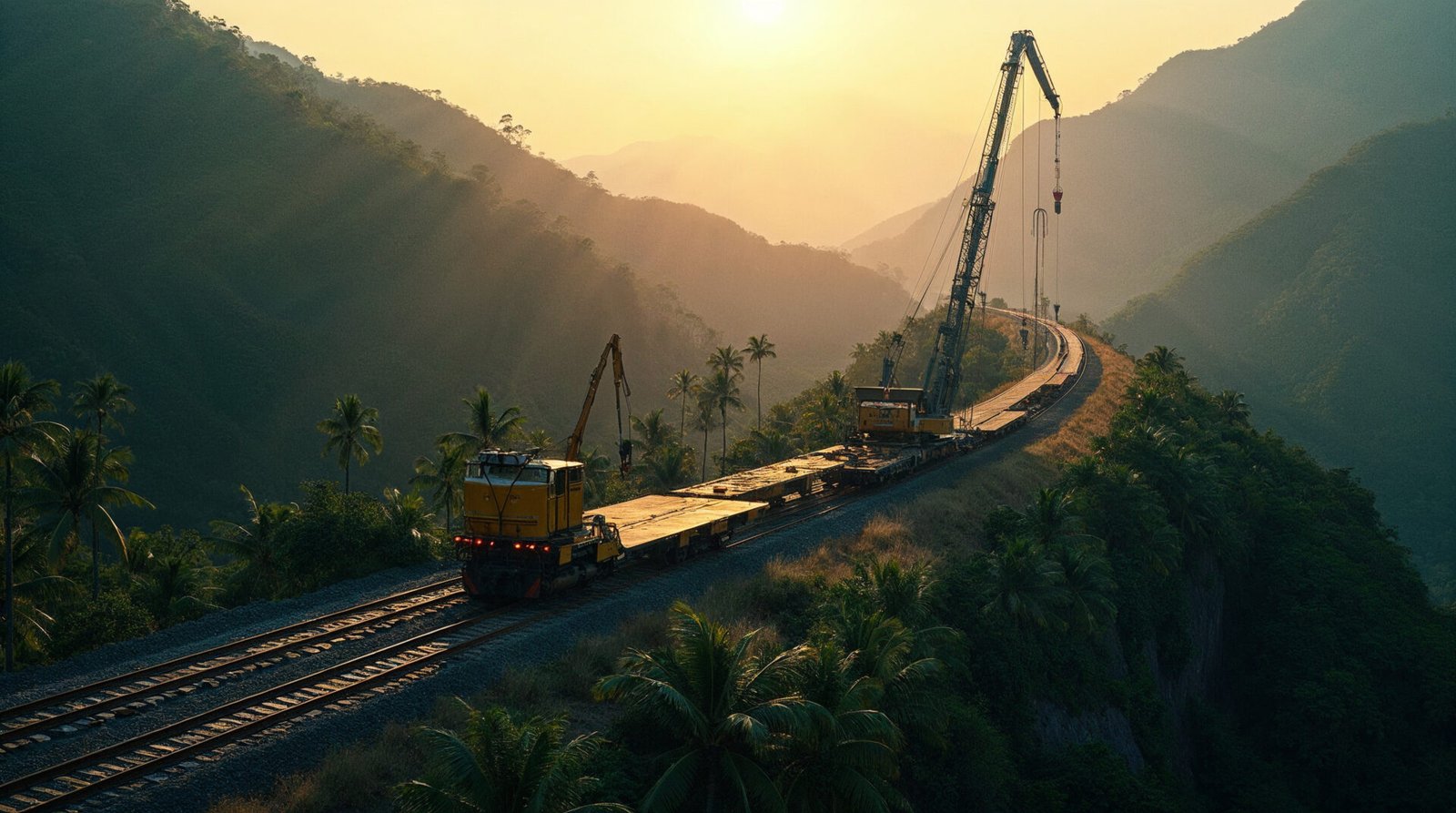
- Pearl River Delta reach – the port sits at the edge of the delta and feeds Shenzhen, Dongguan, Guangzhou, Zhuhai, and Macau by barge, feeder vessel, and cross-border truck
- CEPA – goods bound for the mainland can claim preferential tariff treatment when they meet the rules of origin
- Single E-lock Scheme – speeds inter-modal cargo across the Hong Kong to Guangdong boundary
- One routing – when your equipment is destined for a Greater Bay Area plant or job site, we plan the Hong Kong leg and the onward move together
- Regional lanes – the same desk runs cargo to Vietnam and Singapore when a project spans several Asian markets
Heavy Equipment Handling and Export Packing
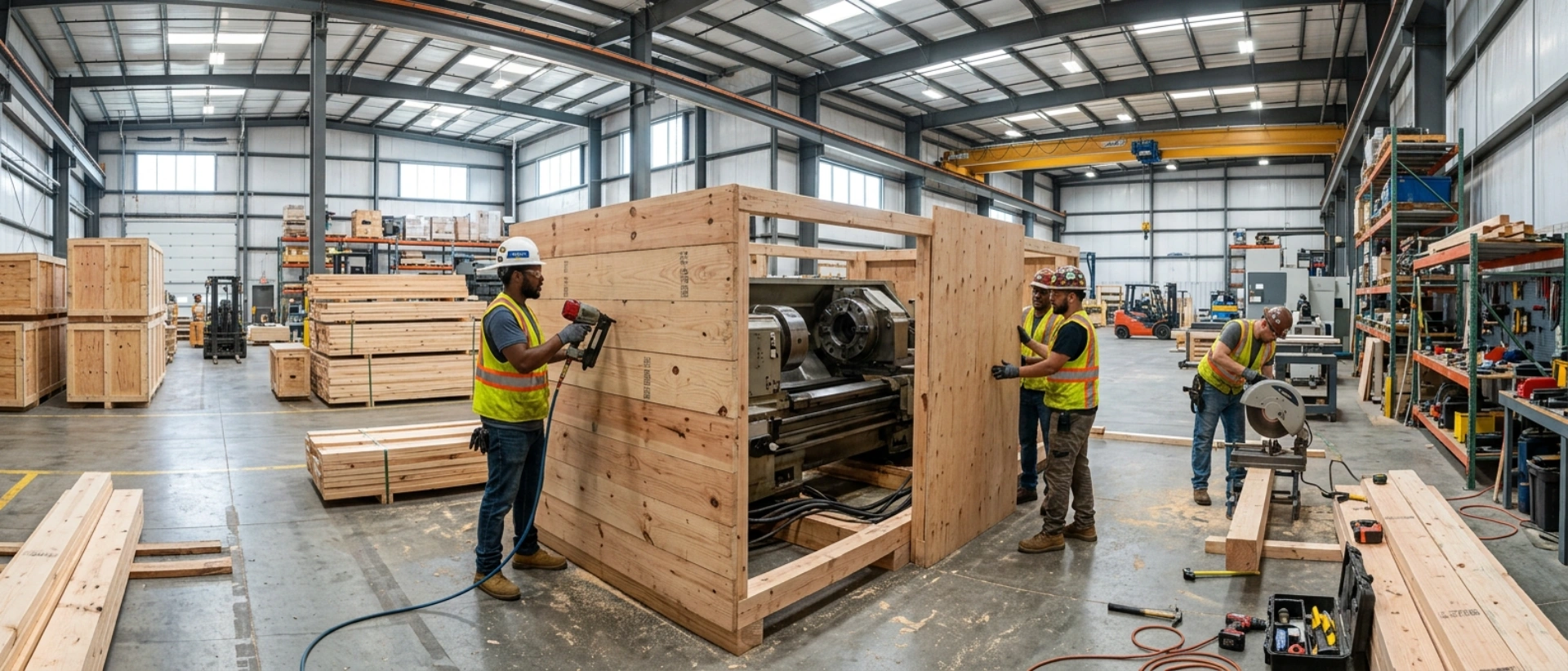
Heavy and oversized units need the right preparation before they sail. We arrange export packing, crating, blocking, and bracing, call in the lift gear each piece needs, and survey out-of-gauge loads before booking. For a multi-piece move in construction, mining, or oil and gas, our project logistics team keeps the whole shipment on one plan, and we coordinate the domestic heavy haul that brings the unit to the Houston terminal. See how we manage heavy equipment shipped overseas from start to finish.
Working With a Houston Freight Forwarder
Texas International Freight books the vessel or aircraft, prepares your export filing, arranges the Hong Kong import declaration through our customs broker partners, and sets up delivery in Hong Kong or onward into southern China. You work with one team from pickup in Texas to the final site.
Ship Your Equipment to Hong Kong
Texas International Freight moves machinery, breakbulk cargo, and project equipment from Houston to Hong Kong, or through it into the Greater Bay Area, with export filing, customs coordination, packing, and delivery handled in house. Send us the dimensions, weight, and delivery point, and we return a routing and a quote.
Phone: +1 877-489-9184
Email: ship@txintlfreight.com
Explore our related services:
Breakbulk · Container Shipping · Air Freight · Air Charter
Frequently Asked Questions About Shipping to Hong Kong
Does machinery pay import duty in Hong Kong?
No. Hong Kong is a free port with no customs tariff and no VAT or GST. Excise duty applies only to liquor above 30 percent alcohol, tobacco, hydrocarbon oil, and methyl alcohol, so industrial equipment enters duty-free. You still lodge an import declaration within 14 days of arrival.
Should my cargo clear as an import or a transshipment?
If the goods stay sealed and move straight on to another country, they are transshipment and attract no duty. If they enter Hong Kong for local use or sale, they are a full import and need an import declaration. Getting this wrong is a common cause of delay, so we confirm the status before booking.
Which port and terminals receive heavy cargo?
Containers move through the Kwai Tsing Container Terminals, while oversized and conventional loads use breakbulk berths, roll-on roll-off, and the mid-stream and public cargo working areas. Urgent spares fly into Hong Kong International Airport at Chek Lap Kok.
Can you ship through Hong Kong into mainland China?
Yes. Hong Kong is a gateway to the Pearl River Delta and the Greater Bay Area, with barge, feeder, and cross-border truck links to Shenzhen, Guangzhou, and beyond. Goods entering the mainland may claim preferential treatment under CEPA when they meet the rules of origin.