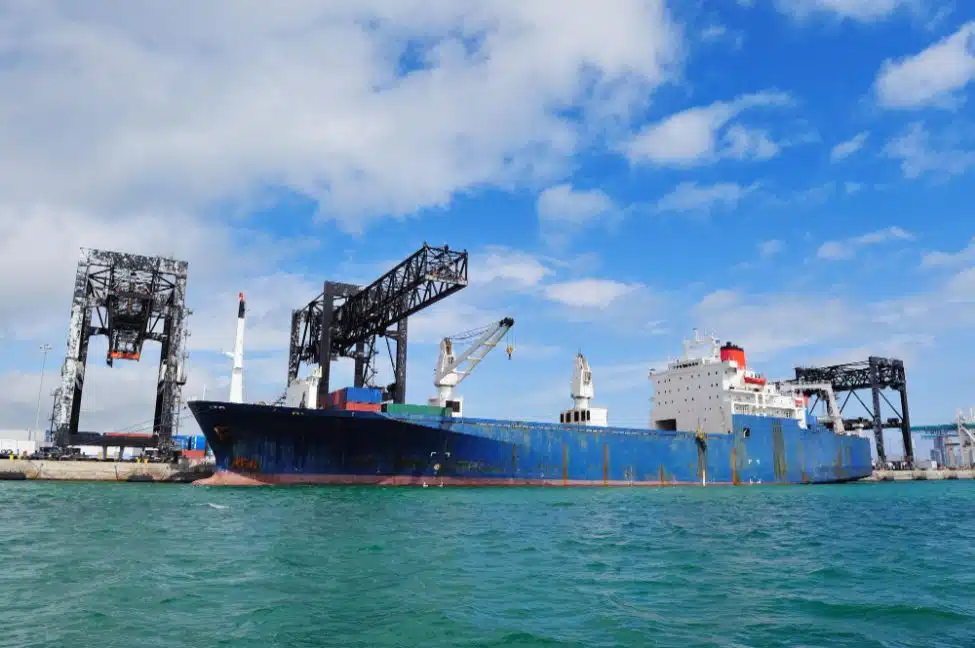
Shipping Industrial and Energy Equipment to Venezuela
Venezuela holds the largest proven oil reserves in the world, and its energy, agriculture, and infrastructure sectors rely on equipment that mostly ships through the US Gulf Coast. The catch is that Venezuela sits under a broad US sanctions program, so the question is never only how to ship a cargo, it is whether that cargo is authorized to move at all. Texas International Freight handles Venezuela-bound freight only within US sanctions rules, and we screen every shipment before we book it. What are you trying to move?
The Sanctions Picture in 2026
US sanctions on Venezuela remain in force. Transactions involving the government of Venezuela, the state oil company PdVSA, and the wider oil and gas sector are generally prohibited for US persons unless the Office of Foreign Assets Control authorizes them. Through 2026 the US has begun to selectively roll back parts of the oil-sector program with a series of OFAC general licenses, including authorizations for named energy companies and for established US entities handling Venezuelan-origin oil, with reporting attached. The framework is shifting, but the underlying prohibitions still stand, and a shipment that touches a blocked party or end use without authorization is not a shipment we will move.
What Can and Cannot Ship
OFAC maintains licenses that allow the delivery of food, agricultural commodities, and medicine, along with remittances and certain communications. Oil and gas sector equipment is a different matter, and it moves only under a specific or general license that covers the parties and the activity. General industrial and infrastructure cargo falls in between and has to be screened against the sanctions list and the end user. We tell clients honestly when a cargo needs a license before it can move, and when it cannot move at all.
How We Screen a Venezuela Shipment
Before we quote, we check the buyer, the consignee, and the end user against the OFAC Specially Designated Nationals list and apply the fifty percent rule, which treats any entity majority-owned by blocked persons as blocked itself. We confirm the end use, identify any general or specific license that applies, and document the basis for the move. Where authorization is required and not yet in hand, we advise the client to secure it through OFAC or qualified sanctions counsel before we proceed. That protects the client and us from the civil and criminal exposure a sanctions violation carries.
Routes and Modes
For authorized cargo, the natural path runs from Houston and the Texas Gulf Coast to Venezuelan ports such as Puerto Cabello, La Guaira, and Maracaibo. Heavy and oversized pieces ship as breakbulk cargo on flat racks, while palletized and crated goods move in container equipment. Time-critical parts can move by air when an authorization is in place, and our heavy haul trucking handles the US side to the port.
Equipment We Handle
When a shipment is authorized, we move the cargo Venezuela’s sectors call for: drill pipe, blowout preventers, and other drilling and oilfield equipment; agricultural machinery and inputs; and pumps, valves, and infrastructure components. Each ships under the same compliance check, coordinated through our project logistics desk and our wider oil and gas logistics work.
Documentation and Compliance
A Venezuela shipment needs the standard export set, the commercial invoice, packing list, and the correct export classification, plus the OFAC license reference or the legal basis for the move. We prepare the filing and clear the cargo through our customs broker network, and we cover authorized cargo with cargo insurance matched to the route and the value.
Working With Texas International Freight
We bring an honest read of what can move and a compliant path to move it. Send us the cargo, the consignee, and the end use, and we tell you whether the shipment is authorized, what license it needs, and what the route and the cost look like.
Ask Us About a Venezuela Shipment
Texas International Freight assesses Venezuela-bound freight against US sanctions rules and moves authorized cargo from the Texas Gulf Coast by ocean and air. Send us the cargo, consignee, and end use, and we return an honest assessment, the licensing position, and a quote.
Contact Information:
- Phone: +1 877-489-9184
- Email: ship@txintlfreight.com
- Address: 11511 Katy Fwy #320, Houston, TX 77079
- Web Form: Request a Quote
Can you ship to Venezuela despite US sanctions?
Yes, for authorized cargo. The sanctions remain in force, so we move shipments that fit an OFAC general or specific license or fall outside the prohibitions, and we screen every shipment before we book it.
What goods are allowed under the sanctions?
OFAC licenses cover food, agricultural commodities, and medicine, plus remittances and certain communications. Oil and gas equipment needs a license, and general industrial cargo is screened against the sanctions list and the end user.
Do you handle the OFAC compliance check?
We screen the parties against the SDN list, apply the fifty percent rule, confirm the end use, and identify the applicable license. Where authorization is needed, we advise the client to secure it through OFAC or counsel before we book.
Which ports do you serve in Venezuela?
Puerto Cabello, La Guaira, and Maracaibo, reached from Houston and the Texas Gulf Coast by breakbulk and container, with air for time-critical authorized parts.
What documents does a Venezuela shipment need?
The commercial invoice, packing list, correct export classification, and the OFAC license reference or legal basis, plus the destination import paperwork. We prepare the set and clear the cargo.


