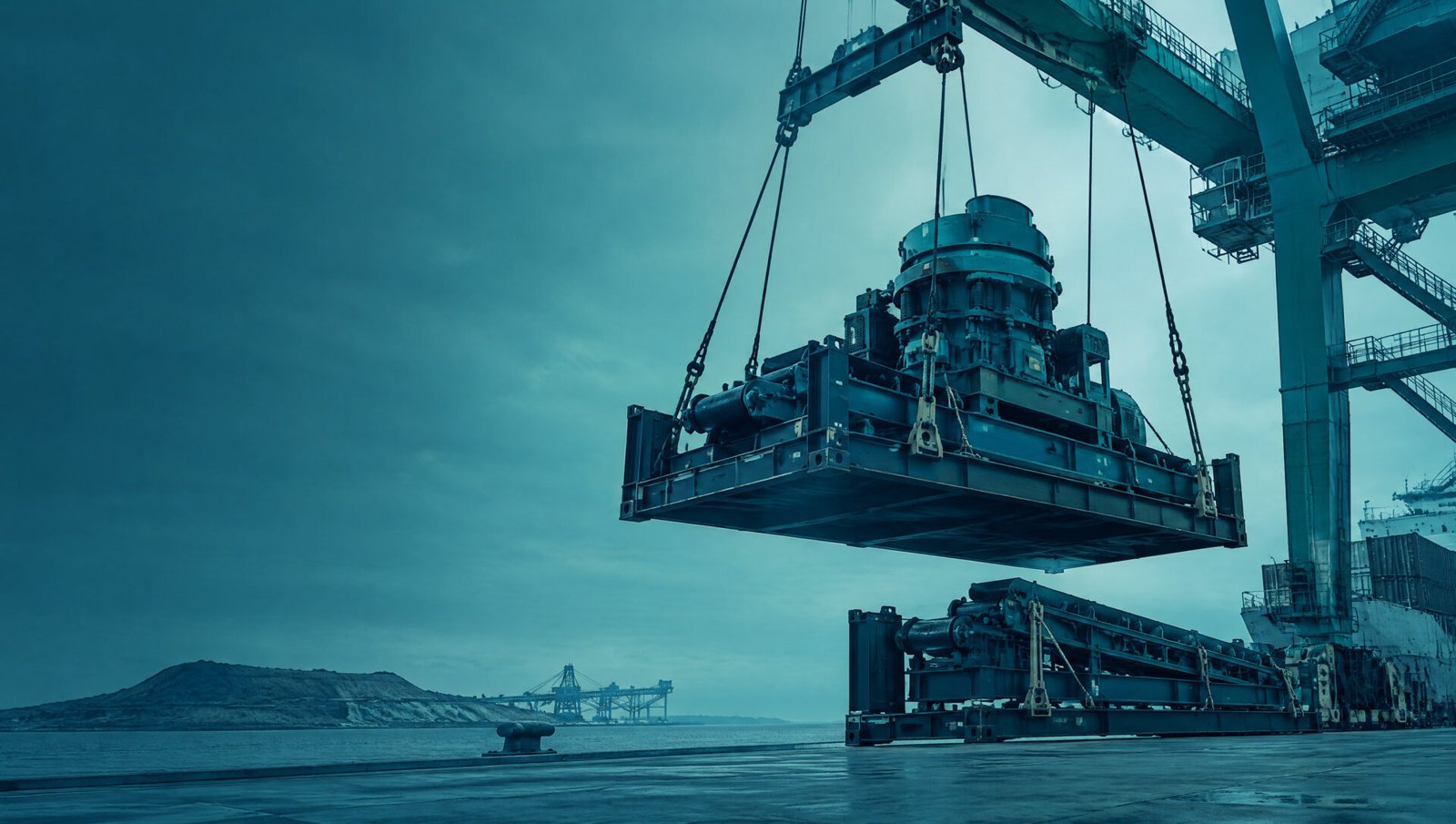
Freight Shipping to Western Australia from the United States
Western Australia isn’t just a remote area, it’s strategically remote.
With some of the world’s largest mining operations, critical infrastructure projects, and a booming resource sector, it’s a major freight destination for companies shipping to Western Australia from around the globe.
But getting equipment, parts, and machinery to places like Perth, Fremantle, or deep inland to Boddington (home to one of Australia’s biggest gold and copper mines) isn’t so easy.
From port selection and customs clearance to inland transport challenges, shipping to Western Australia comes with its own unique logistics puzzle.

Why Ship to Western Australia?
Western Australia, commonly referred to as WA, is rich in natural resources and home to some of the most advanced mining operations globally.
Major recipients of U.S. industrial freight include:
- Perth: WA’s economic hub and logistics nerve center
- Fremantle Port: the primary deep-water gateway for container and heavy machinery cargo
- Boddington Mine: one of the largest gold mines in the Southern Hemisphere, about 120 km southeast of Perth
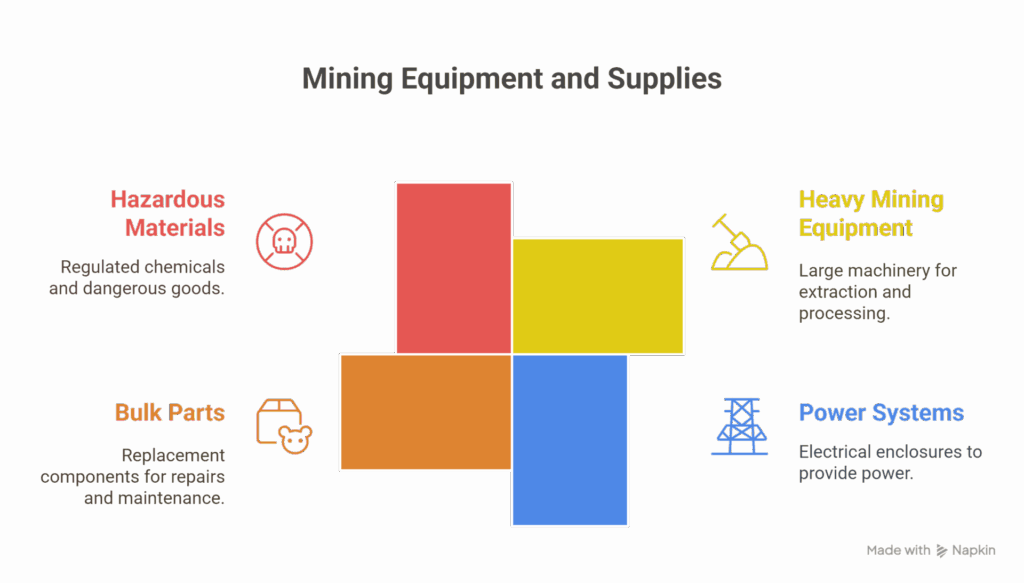
How Freight Gets to WA from the U.S.
Most U.S. shipments to Western Australia originate from Houston, Long Beach, or Savannah, heading via ocean freight to Fremantle Port.
From there, cargo is either delivered to local operations near Perth or trucked or railed to interior destinations like Boddington, Kalgoorlie, or Pilbara.
Transit time from the U.S. Gulf Coast to Fremantle typically runs 30 to 40 days, depending on routing and transshipment points.
Popular Shipping to Western Australia Methods Include:
- Containerized freight (20ft, 40ft)
- Breakbulk for oversized or irregular cargo
- Roll-on/Roll-off (RoRo) for heavy machinery
- Air freight (rare, but possible for time-critical parts)
Spotlight: Shipping to the Boddington Mine
Boddington is a massive open-pit mine producing both gold and copper.
Supporting such a site means shipping heavy mining equipment to Western Australia.
The route from Fremantle to Boddington is over 120 km of rural roads, often requiring escorted heavy-haul trucks. Timing, permits, and load planning are essential to meet local regulations and avoid delays.
Pros & Cons of Shipping to Western Australia
| Pros | Cons |
|---|---|
| Strategically located ports like Fremantle | Long transit times from U.S. East/Gulf Coasts |
| Strong mining and construction demand | Complex import regulations and biosecurity |
| Established inland freight network (road and rail) | Oversized cargo may require special permits and escorts |
| English-speaking, transparent customs system | Weather and remote access can disrupt schedules |
Compliance & Customs: What You Need to Know When Shipping to Western Australia
Australia has strict customs and biosecurity laws (administered by the Australian Border Force and DAFF).
Shippers must ensure:
- Clean equipment with no soil contamination or organic material
- Proper declaration and packing lists
- Adherence to hazardous goods (IMO/IMDG) regulations
- Accurate HS codes and valuation for duties
Texas International Freight works closely with Australian agents to coordinate these requirements for clients shipping from the U.S.
Tips for Shipping to Western Australia
- Use wooden crates with ISPM-15 certified treatment
- Account for 3 to 5 days of port handling and customs clearance
- Label and manifest everything clearly to avoid inspection delays
- Pre-plan inland transport to mines, especially for high-tonnage loads
- Work with experienced freight forwarders familiar with Australia’s unique logistics
Why Choose Texas International Freight?
At Texas International Freight, we’ve shipped industrial cargo, mining equipment, and container loads to Western Australia for years.
Moving machinery to Perth, parts to Boddington, or bulk shipments to Fremantle, we handle end-to-end logistics from the US, coordinate breakbulk, container, and project cargo, and help you clear Australian customs and regulatory requirements.
Need to ship freight to Western Australia?
Contact Texas International Freight today to move your cargo from the US to Western Australia.
Ship to Western Australia With One Team
Texas International Freight moves mining equipment, machinery, and project cargo from the United States to Fremantle and inland Western Australia by container, breakbulk, and RoRo, with customs and biosecurity handled. Send us the cargo and the destination, and we return a routing and a quote.
Contact Information:
- Phone: +1 877-489-9184
- Email: ship@txintlfreight.com
- Address: 11511 Katy Fwy #320, Houston, TX 77079
- Web Form: Request a Quote
Connect With Us:
How long does ocean freight from the US to Western Australia take?
Roughly 30 to 40 days from the Gulf Coast to Fremantle, depending on routing and transshipment, plus 3 to 5 days for port handling and customs clearance, and more for inland trucking to mine sites such as Boddington or the Pilbara.
Which port serves Western Australia?
Fremantle, the deepwater gateway near Perth, handles container, breakbulk, and heavy machinery cargo. From there freight moves by road or rail to interior destinations across the state.
How does heavy mining equipment reach inland mine sites?
By escorted heavy-haul road transport from Fremantle. The run to Boddington alone covers over 120 km of rural roads, so permits, load planning, and escort scheduling are arranged before the cargo lands.
What are Australia’s customs and biosecurity requirements?
The Australian Border Force and DAFF enforce strict biosecurity. Equipment must arrive clean and free of soil and organic matter, with accurate declarations, HS codes, ISPM-15 certified crating, and IMO/IMDG compliance for any hazardous goods.
What shipping methods suit cargo bound for Western Australia?
Containerized freight for standard loads, breakbulk for oversized or irregular cargo, RoRo for self-propelled machinery, and air freight for time-critical parts. The right mode follows the cargo’s dimensions, weight, and timeline.