
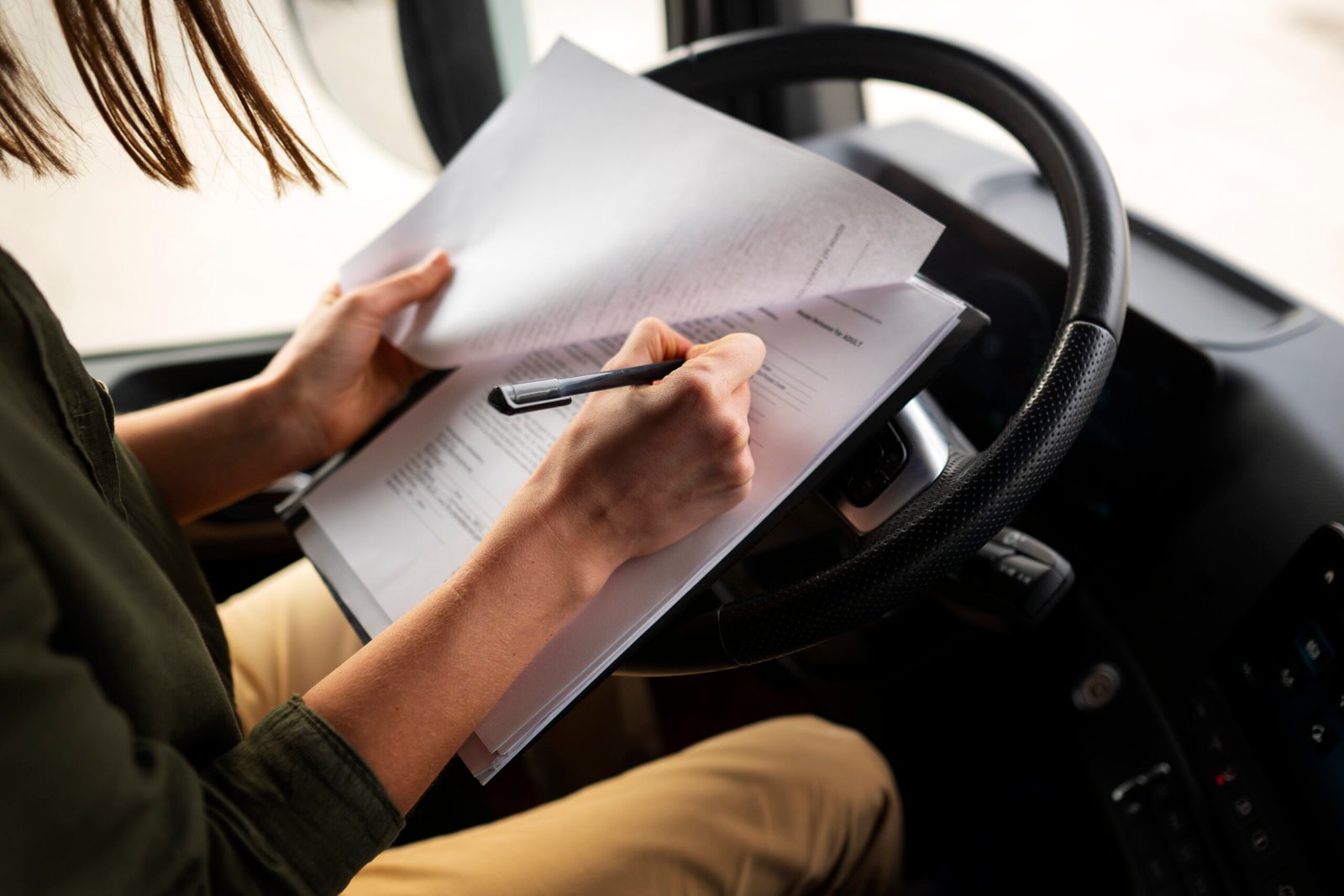
A Combined Transport Bill of Lading covers multimodal freight under one contract, simplifying international shipments across truck, rail, ocean, and final-mile delivery.
Combined Transport Bill of Lading
In modern global logistics, cargo rarely moves on a single mode. A shipment can start with drayage from a plant, transfer to rail, sail by ocean vessel, then finish on a final inland truck. A Combined Transport Bill of Lading, also called a multimodal transport document, keeps that full journey under one coherent contract of carriage.
This matters most for complex movements such as heavy machinery, project cargo, and breakbulk shipments, where handoffs between carriers create risk. One document helps align custody, liability, and documentary consistency from first mile to final delivery.
What the Document Covers
A Combined Transport Bill of Lading is a comprehensive shipping document used in multimodal transportation. It covers the entire movement from origin to destination even when multiple carriers and transport modes are involved, including road, rail, ocean, barge, and sometimes air.
It typically performs three core functions:
- Receipt of goods confirming cargo was received in apparent good order and condition, unless claused.
- Contract of carriage setting the legal relationship between shipper and the combined transport operator.
- Document of title when issued in negotiable form, enabling transfer of ownership while cargo is in transit.
In practical terms, one Combined Transport Bill can cover pickup from an inland manufacturer, delivery into a port terminal, the ocean leg, and the final inland leg to a mine, rig site, or construction project. That reduces administrative friction and strengthens your claim position if something goes wrong during transfer points.
Why It Matters for Industrial and Project Cargo
Project shipments often involve multiple handoffs and non-standard handling. A single movement may require heavy-haul trucking, port stevedoring, ocean carriage, and specialized delivery planning. A Combined Transport Bill of Lading supports clearer allocation of responsibility and smoother documentation alignment, especially when paired with project logistics coordination.
If your routing includes Houston, align documentation with terminal realities and inland execution. Port planning and handoff timing can be reviewed through Port of Houston resources, especially when your shipment touches multiple service providers.
Key Parties and Routing Fields
A Combined Transport Bill of Lading typically includes the same core parties you see on other transport documents, but expanded routing fields to reflect door-to-door movement:
- Shipper and consignee, plus a notify party when required for release and arrival coordination.
- Place of receipt and place of delivery, which extend beyond the port-to-port scope of a standard ocean bill.
- Port of loading and port of discharge, plus transshipment notes if applicable.
- Cargo description including marks and numbers, package count, gross weight, and measurements.
- Freight terms such as freight prepaid or freight collect, plus accessorial charges when listed.
Documentation consistency is a recurring risk point in multimodal moves. Align the Combined Transport Bill of Lading with the commercial invoice, packing list, and customs filings. If your shipment needs broker coordination, use customs brokerage support to keep declarations and transport documents synchronized.
Common Types of Combined Transport Bills of Lading
Combined Transport Bills of Lading come in several commercial forms that affect payment mechanics, cargo release, and banking acceptance:
- Negotiable (to order) bills that can be endorsed and transferred, commonly used with letters of credit.
- Straight (non-negotiable) bills naming a fixed consignee, used when payment terms are settled and release needs speed.
- Received for shipment bills issued upon receipt, often followed by shipped on board confirmation when loaded.
If your sales contract references Incoterms, align that language with the bill’s freight terms and the practical handoff points. Incoterms clarify cost and risk allocation between buyer and seller, while the bill of lading governs carriage and carrier terms. Misalignment between the two creates disputes and chargebacks. If you maintain an Incoterms explainer page on your site, link it here for continuity.
Liability and Claims
Liability under a Combined Transport Bill of Lading is often structured around through liability with a single combined transport operator responsible to the shipper, even when subcontracting legs to other carriers. Many documents apply a network principle, meaning liability rules can change depending on where the damage occurred, such as the ocean leg versus the road leg.
For high-value cargo, shipper risk management usually requires cargo insurance beyond carrier limits. The bill of lading becomes the core evidence set for insurers when assessing custody, exceptions, and claim time limits.
If time-based charges and custody windows are part of your risk profile, clarify responsibilities for containers and terminal dwell time. Demurrage and detention disputes often start with unclear custody boundaries. If you have internal resources on demurrage and detention, link them here to reduce misunderstandings during destination pickup planning.
How It Differs From Other Bills of Lading
A Combined Transport Bill of Lading differs from other transport documents mainly by scope and contract structure:
- Ocean bill of lading typically covers port-to-port movement only.
- Through bill of lading may involve multiple carriers but often remains within one mode.
- House bill of lading is issued by a freight forwarder or NVOCC to the shipper, while the master bill is issued by the actual carrier.
In combined transport structures, freight forwarders commonly issue the house Combined Transport Bill while they obtain master bills for the individual legs. This model is especially common in door-to-door solutions supported by international freight forwarding teams.
Electronic Combined Transport Bills of Lading
Paperless trade is accelerating. Electronic bills of lading reduce courier delays, lower admin cost, and improve security through controlled access and audit trails. Electronic workflows also help when originals arrive after cargo, a common cause of release delays at destination.
For shippers managing multi-country movements, electronic documentation supports faster alignment between carriers, banks, brokers, and insurers. The value increases on time-sensitive industrial moves where terminal storage and missed delivery windows create immediate cost exposure.
Best Practices for Shippers
Reduce risk and prevent costly amendments by using a structured process:
- Verify shipper, consignee, and notify party details match the commercial invoice and banking instructions.
- Confirm routing fields cover place of receipt, port of loading, port of discharge, and final place of delivery.
- Validate cargo description, HS code references if used, and weights and measures against packing lists.
- Review liability clauses, claim notice timelines, and jurisdiction language before acceptance.
- Align Incoterms in the sales contract with freight terms and operational handoff points.
If your cargo is oversized, heavy, or non-containerized, align documentation with handling reality early. Breakbulk execution often demands lift planning and terminal coordination that must match the document trail. Use breakbulk cargo planning references to reduce preventable exceptions at origin and discharge.
Common Issues and How to Avoid Them
Most issues come down to preventable mismatch and timing problems:
- Claused bills that note damage or defective packing. Inspect cargo and packaging before tender.
- Document inconsistencies between the bill, invoice, and packing list. Align details before departure.
- Release risk when originals are delayed. Use controlled electronic workflows when available.
- Charge disputes when custody windows and responsibilities are unclear. Define handoff points and who pays which accessorials.
If you are unsure how to structure responsibilities and compliance across the route, work with a team that handles the full movement and the paperwork. Start with customs brokerage and freight forwarding alignment to reduce downstream friction.
Working With Combined Transport Operators
Success in multimodal shipping depends on the operator managing the contract and the handoffs. Choose a combined transport operator or freight forwarder with proven experience in your commodity type, strong carrier networks on your key lanes, and disciplined document control. This matters most for heavy equipment, energy cargo, and project timelines where delays quickly become site-level cost overruns.
Contact Texas International Freight
If you need support structuring a multimodal shipment, aligning documentation, or managing complex cargo across multiple legs, contact Texas International Freight.
- Phone: +1 877-489-9184
- Email: sh**@***********ht.com
- Address: 11511 Katy Fwy #320, Houston, TX 77079
- Web Form: Request Multimodal Shipping Support
Frequently Asked Questions
What is the main difference between a Combined Transport Bill of Lading and a regular ocean bill of lading?
A regular ocean bill of lading covers port-to-port ocean carriage. A Combined Transport Bill of Lading covers door-to-door movement across multiple modes such as truck, rail, and ocean, under one contract with a combined transport operator.
Who issues a Combined Transport Bill of Lading?
It is typically issued by a freight forwarder, multimodal transport operator (MTO), or NVOCC that accepts responsibility for the full journey and coordinates the underlying carriers for each leg.
Can cargo be released without the original Combined Transport Bill of Lading?
In a negotiable structure, cargo is generally released only against surrender of an original bill. Some carriers may release against a letter of indemnity when documents are delayed, but that approach carries legal and financial risk and should be avoided when possible.
How long is a Combined Transport Bill of Lading valid?
The document does not usually have an “expiration date,” but claims are subject to strict time limits stated in the terms and conditions. Letter of credit timelines can also impose presentation deadlines, so the practical window depends on your banking terms and the carrier’s claim rules.
What is the difference between freight prepaid and freight collect?
Freight prepaid means the shipper pays transportation charges before shipment. Freight collect means the consignee pays upon arrival or release. The notation should align with the sales contract and any banking requirements to avoid payment or release delays.