Breakbulk Cargo From the Port of Houston
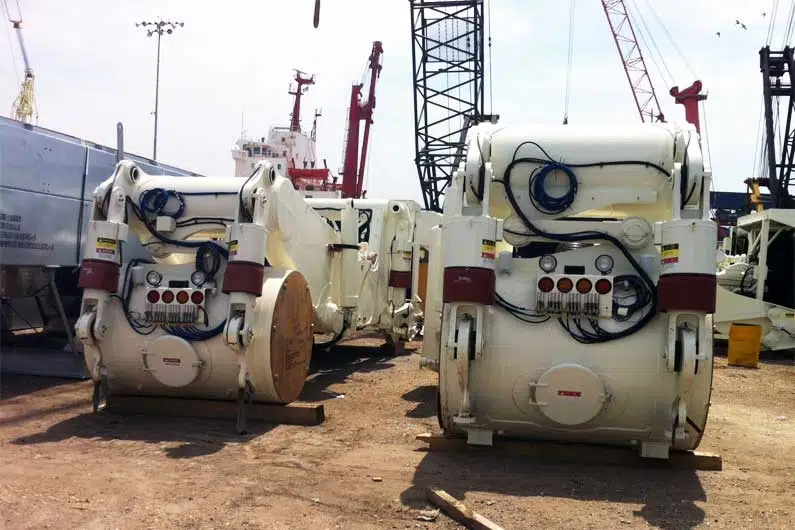
Some cargo will never fit in a container, no matter how the load plan is drawn. That freight moves as breakbulk: lifted aboard piece by piece, stowed individually, and handled with cranes instead of container spreaders. Texas International Freight ships breakbulk from the Port of Houston, the leading breakbulk port in the United States. What does it take to move cargo this way, and when is it the right call?
What Is Breakbulk Cargo?
Breakbulk cargo covers shipments too large or oddly shaped for standard containers, loaded and unloaded piece by piece with specialized equipment rather than rolled through a container terminal. It includes machinery, vehicles, construction equipment, and large commercial goods, moving mostly on ocean vessels but also by truck, rail, or air.
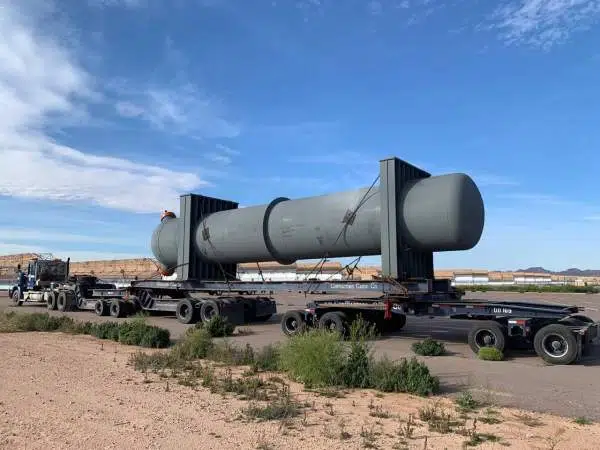
Common breakbulk pieces: turbines, wind and gas alike, boilers and heat exchangers, pressure vessels, transformers, yachts and boats, and factory components. The mining and oil and gas industries ship drilling rigs, pipeline and valve consignments, crushers, and conveyors as breakbulk every week.
How Texas International Freight Ships Breakbulk
We run breakbulk shipping out of Houston from an office minutes from the Port of Houston and its Turning Basin breakbulk terminals, with carrier relationships built over decades of project work. The service covers:
- Competitive ocean freight rates on breakbulk vessels
- Port knowledge across heavy-equipment ports worldwide, with customs compliance handled per country
- Warehousing and crating for project cargo before it reaches the dock
- Heavy haul trucking to and from the port for oversize pieces
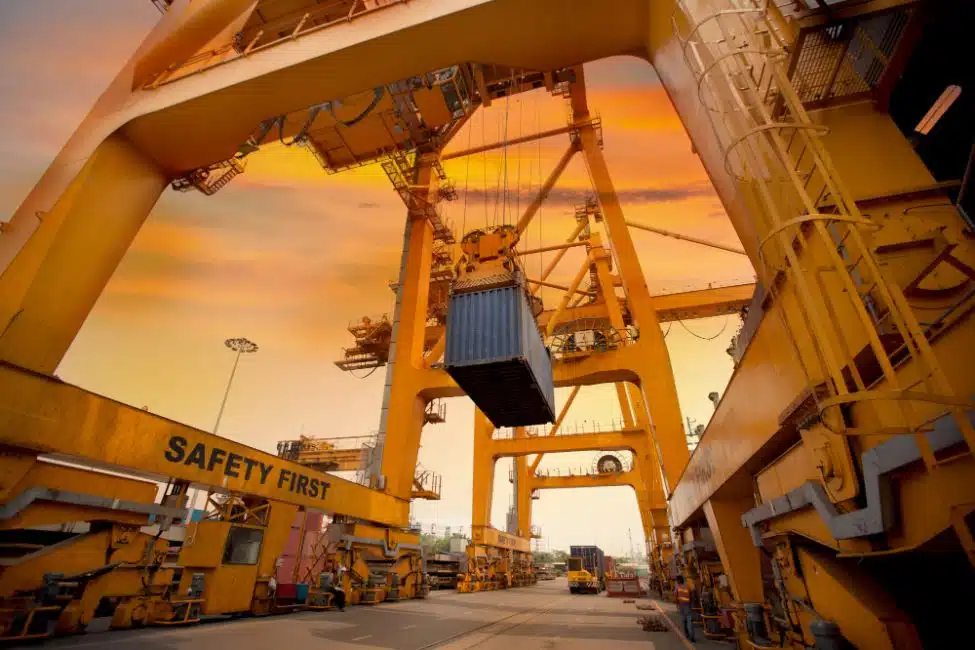
- Terminal lifts up to 350 metric tons with cranes, gantry cranes, and modular trailers
- Flat rack, Ro-Ro, and heavy-lift handling matched to the piece, with lashing and dunnage engineered for the sea leg
- Risk management and cargo insurance for high-value shipments
Case Study: An Earthmover From Minnesota to Asia
The machine in the photo above was manufactured in Minnesota and sold to customers in Asia, and Texas International Freight ran the move from the first critical path analysis to the final delivery. The project opened in 2011 with a feasibility quote. After contracting, we held weekly consultations with the manufacturer, including site visits to the plant. The earthmover’s components were crated, carried on a dozen heavy haul trucks to the Port of Houston, surveyed before loading, booked onto ocean freight to Asia, cleared through Chinese customs, and delivered door to door.
Plenty of forwarders handle LCL and container cargo. Few carry the experience for high-value breakbulk, which is why the mining, energy, shipbuilding, and other heavy industries keep coming back with it.
Customs Clearance and Documentation
Breakbulk crosses borders on paperwork as much as on steel. Each country sets its own import rules for oversized industrial cargo, and a missing permit or misdeclared entry parks the shipment at the terminal on demurrage. Our team prepares the declarations, permits, and supporting documents before the vessel sails, so the cargo clears instead of waiting.
Route Planning for Oversized Loads

Routing breakbulk goes past lane selection. The inland legs need oversize permits, police escorts where states require them, and a survey of bridge clearances, road infrastructure, and port lift capability before the truck rolls. The troubleshooting happens upstream, in the plan, and the project logistics file holds every approval before moving day.
Cargo Insurance and Risk Management
A single breakbulk piece can carry the value of an entire container string, so coverage is not an afterthought. We identify the exposure points, from the crane hook to the ocean leg, and place cargo insurance that matches the shipment’s value and route, with certificates issued before loading.
Common Ocean Freight Terms
Key terms include the port of loading where the carrier receives your cargo, stevedoring for the labor that loads and discharges the vessel, TEU and FEU container measures, and chargeable weight that sets the freight rate.
A few terms come up often on ocean bookings for heavy and breakbulk cargo:
- Freight ton (revenue ton), the basis carriers use to price by weight or volume.
- Sea waybill, a non-negotiable alternative to the bill of lading.
- Telex release, which lets the consignee collect cargo without an original bill of lading.
- Tween deck, the intermediate deck used for breakbulk and project cargo.
Move Oversized Cargo With Confidence
Ship turbines, oilfield equipment, and heavy machinery with a Houston team that handles breakbulk every day: load planning, lift plans, and surveys at the Port of Houston, permitted heavy haul with escorts, ISPM-15 export packing, vessel charter when the cargo calls for it, and cross-border projects to Canada and Mexico.
Contact Information:
- Phone: +1 877-489-9184
- Email: ship@txintlfreight.com
- Address: 11511 Katy Fwy #320, Houston, TX 77079
- Web Form: Request a Breakbulk Quote
Connect With Us:
What is breakbulk cargo?
Freight too large or oddly shaped for standard containers, loaded aboard piece by piece and stowed individually: turbines, pressure vessels, drilling rigs, yachts, crushers, and factory components all ship as breakbulk.
How is breakbulk different from container or bulk shipping?
Container cargo travels sealed in standard boxes; bulk cargo pours loose into a hold, like grain or ore. Breakbulk is counted and lifted as individual pieces, each with its own lift plan and stowage position.
Why does breakbulk ship from Houston?
The Port of Houston leads the United States in breakbulk volume, with the crane capacity, laydown yards, and carrier services that project cargo needs, plus direct access to the Gulf’s energy and manufacturing belt.
How heavy a lift can a breakbulk terminal handle?
Terminal cranes on our shipments lift up to 350 metric tons, supplemented by gantry cranes and modular trailers for pieces that need ground transport inside the port.
Does breakbulk cargo need special insurance?
Yes. A single piece can carry the value of an entire container string, so coverage gets placed against the shipment’s actual value and route, with certificates issued before the cargo loads.