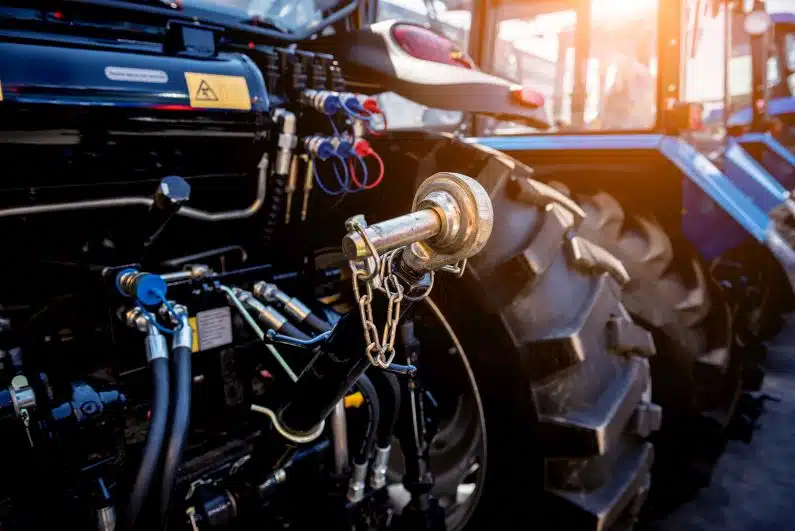
Heavy Equipment Shipping Between the US and Canada
Shipping heavy equipment between the US and Canada keeps construction, mining, agriculture, and manufacturing moving on both sides of the border.
Moving heavy machinery across the border holds projects on schedule and opens new markets for your business.
The process carries real challenges. You need careful planning, correct documentation, and compliance with the rules set by the Canada Border Services Agency (CBSA) and U.S. Customs and Border Protection (CBP).
Want your excavators, cranes, tractors, and oilfield gear to clear the world’s longest land border on time? Here is what the move takes.
Understanding Heavy Equipment Shipping to Canada
What Constitutes Heavy Equipment
Heavy equipment means large machinery built for earthmoving, construction, excavation, and material handling.
Examples include excavators, bulldozers, cranes, forklifts, and agricultural machinery from makers like Caterpillar, Komatsu, and John Deere.
Each machine carries its own weight, dimensions, and handling demands, which shape how you package, load, and transport it.
Commonly Shipped Heavy Equipment
Some machines cross the US-Canada border far more often than others.
Construction crews move loaders and compactors. Farms move tractors and harvesters. Oil, gas, and mining operations move drilling rigs, generators, and crushing equipment.
Knowing the equipment you ship most often lets you anticipate logistical needs and plan ahead.
Challenges in Shipping Heavy Equipment
Cross-border heavy equipment moves bring several hurdles at once.
You face customs compliance, permits and documentation, import and export procedures, duty and tax payments, transport logistics, and equipment security in transit.
Map these out early and you avoid the delays that strand machinery at the crossing.
Key Regulations and Requirements
Canadian Import Regulations for Heavy Equipment
Shipping equipment into Canada means meeting CBSA import rules.
You file a B3 Customs Coding Form, classify the machine under the correct HS tariff code, and meet Transport Canada safety and environmental standards.
Working with experienced freight forwarders or customs brokers keeps your paperwork clean and your clearance fast.
US Import Regulations for Heavy Equipment
Bringing equipment the other direction means importing heavy equipment into the US under CBP rules.
You provide import permits, commercial invoices, and bills of lading, and you meet US customs procedures and safety standards.
Accurate filings decide whether your machine clears in hours or sits in a bonded warehouse.
Duties, Taxes, and Fees
Importing heavy equipment can trigger duties, taxes, and fees in both countries.
Charges depend on the equipment type, its declared value, and the trade agreement that applies. Machinery that meets the rules of origin under CUSMA/USMCA often enters duty-free with a valid certification of origin.
Confirm the duty rate, tax obligations, and any exemptions before you ship, so your total landed cost holds no surprises.
Process of Shipping Heavy Equipment
Preparation Stage
Strong preparation drives every successful shipment.
You gather documentation, secure permits and licenses, arrange insurance coverage, confirm safety and environmental compliance, and package and secure the machine for the road.
Loading and Transport Stage
Loading and transport demand the right equipment and method for each machine.
You select the correct trailer, often an RGN or lowboy for tall or heavy loads, apply proper loading and tie-down techniques, and route the move through crossings like Detroit-Windsor or Pembina-Emerson.
Trucking freight services and breakbulk shipping come into play depending on the size and type of equipment.
Customs Clearance Stage
Customs clearance means filing documentation with the CBSA or CBP, paying duties and taxes, and meeting every customs rule.
Experienced customs brokers or freight forwarders move this stage along and keep you compliant.
Best Practices and Tips for Shipping to Canada
Selecting a Reliable Shipping Company
Pick a carrier with real cross-border heavy equipment experience.
Texas International Freight brings a proven record in customs procedures, the right equipment and facilities, and cargo coverage that protects your machine in transit. We also handle shipping to Mexico for operators running freight across North America.
Insuring Your Heavy Equipment
Adequate insurance coverage guards your investment.
Cargo insurance covers damage or loss in transit. Choose a provider that specializes in heavy equipment so the policy matches the value of your machine.
Pre-shipment Inspection and Documentation
Inspect every machine before it ships.
Record existing damage, take photographs, and keep detailed files. Solid records settle disputes and claims quickly if anything goes wrong in transit.
Post-shipment Inspection and Unloading
Inspect again the moment the equipment arrives.
Note any damage or discrepancy and report it right away. Plan the unloading so your machine comes off the trailer safely.
Ready to move your cross-border heavy equipment? Connect with logistics and customs specialists who simplify the process, handle the regulations, and get your machinery there safely and on time.
Partner with the team at Texas International Freight for dependable transportation between the US and Canada.
Call +1 877-489-9184 or request a quote today, and let our specialists guide every step.
Frequently Asked Questions
What counts as heavy equipment when shipping to Canada?
Heavy equipment means large machinery built for earthmoving, construction, excavation, and material handling, such as excavators, bulldozers, cranes, forklifts, and tractors from makers like Caterpillar, Komatsu, and John Deere.
What heavy equipment moves most often between the US and Canada?
Construction loaders and compactors, agricultural tractors and harvesters, and oil, gas, and mining equipment such as drilling rigs and generators cross the border most frequently.
What are the main challenges shipping heavy equipment across the US-Canada border?
You manage customs compliance with the CBSA and CBP, permits and documentation, import and export procedures, duty and tax payments, transport logistics, and equipment security in transit.
What do Canadian import regulations require for heavy equipment?
The CBSA requires a B3 Customs Coding Form, correct HS tariff classification, and compliance with Transport Canada safety and environmental standards. A customs broker or freight forwarder keeps clearance fast.
How can I reduce duties when shipping heavy equipment to Canada?
Machinery that meets the rules of origin under CUSMA/USMCA can enter duty-free with a valid certification of origin. Confirm the HS classification and origin before you ship to control landed cost.


