
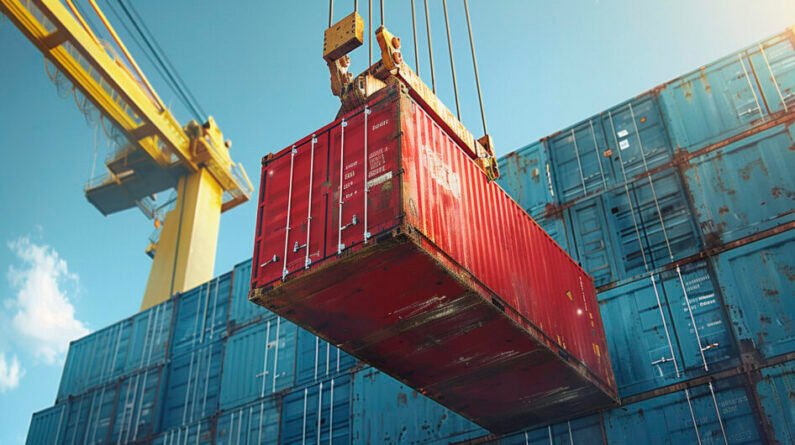
The Foundation of Global Trade
Container shipping has revolutionized global trade, transforming the way goods move across oceans and continents. Today, this method of transportation forms the backbone of international commerce, enabling the efficient and cost-effective movement of products from manufacturers to consumers worldwide.
Everything from consumer electronics and clothing to industrial machinery and spare parts relies on container shipping networks. When your company imports components for construction equipment, mining machinery, or agricultural technology, your cargo probably spends a large part of its journey inside a steel container on a scheduled liner service.
Understanding Container Shipping
Container shipping refers to the transportation of cargo in standardized, reusable steel containers using specialized vessels called container ships or containerships. These ships carry all of their load in truck-size intermodal containers through a technique known as containerization. This method has become the dominant form of commercial intermodal freight transport, now carrying the vast majority of seagoing non-bulk cargo across the globe.
The genius of container shipping lies in its standardization and versatility. Rather than loading individual pieces of cargo directly into a ship’s hold, goods are packed into uniform containers that can seamlessly transfer between ships, trucks, and trains without unpacking the contents.
This standardization simplifies planning for shippers and freight forwarders. A container stuffed at your factory can travel by truck to a rail ramp, then to a major port, cross the ocean, and move inland again on rail and truck to reach the final customer. Each handoff follows established procedures, which reduces handling risk for high-value cargo such as construction machinery and energy sector equipment.
The Evolution of Container Shipping
Before containerization, cargo handling was labor-intensive, time-consuming, and inefficient. Longshoremen would spend days loading and unloading ships, manually moving individual crates, barrels, and packages. This process, known as break-bulk shipping, was not only slow but also expensive and prone to damage and theft.
The modern container shipping era began in the 1950s when American trucking entrepreneur Malcolm McLean conceived the idea of standardized shipping containers. His first containerized shipment in 1956 demonstrated dramatic improvements in loading efficiency and cost reduction. By the 1970s, international standards for container dimensions were established, and the containerization revolution took hold globally.
Today, container shipping has become so integral to world trade that approximately 90% of non-bulk cargo worldwide moves by container, with millions of containers in circulation at any given time.
Containerization also reshaped port infrastructure, labor practices, and inland logistics. New deep-water terminals, automated yards, and intermodal rail hubs developed around major ports to handle growing volumes. Freight forwarders and logistics providers now design supply chains around container flows rather than individual loose cargo pieces.
Standard Container Types and Sizes
The shipping industry uses several standardized container sizes, with the Twenty-foot Equivalent Unit (TEU) serving as the basic measurement. The most common container types include:
20-foot containers measure 20 feet in length, 8 feet in width, and 8.5 feet in height. These standard units, also known as one TEU, can hold approximately 33 cubic meters of cargo and are ideal for heavy or dense goods.
40-foot containers, or two TEUs, are the most widely used size in international shipping. Measuring 40 feet long with the same width and height as their 20-foot counterparts, they offer approximately 67 cubic meters of capacity and provide better cost efficiency for lighter, voluminous cargo.
40-foot High Cube containers stand taller at 9.5 feet, offering an additional foot of height and approximately 76 cubic meters of capacity. These are particularly popular for lightweight, bulky goods that would fill the container by volume before reaching weight limits.
Beyond standard dry containers, the industry offers specialized units including refrigerated containers (reefers) for temperature-sensitive goods, open-top containers for oversized cargo, flat-rack containers for heavy machinery, and tank containers for liquids and gases.
For industrial projects, choosing the right container type is critical. A flat-rack or open-top container may suit large construction components that cannot fit inside a standard box, whereas reefers are essential for pharmaceuticals or food products. An experienced freight forwarder evaluates cargo dimensions, fragility, and regulatory constraints before recommending the optimal container solution.
How Container Ships Work
Modern container ships are engineering marvels designed for efficiency and capacity. These vessels feature cellular holds with vertical guide rails that stack containers both below and above deck. The stacking system allows containers to be loaded in a precise sequence determined by sophisticated computer systems that optimize weight distribution and port discharge order.
Container ships come in various size classifications. Feeder ships, the smallest category, typically carry 500 to 3,000 TEUs and serve regional routes and smaller ports. Panamax vessels are sized to fit through the original Panama Canal locks, carrying between 3,000 and 5,000 TEUs. Post-Panamax and New Panamax ships, designed for the expanded Panama Canal, handle 5,000 to 14,500 TEUs.
The largest vessels, known as Ultra Large Container Vessels (ULCVs), can carry over 20,000 TEUs. These massive ships, measuring over 1,300 feet in length, represent the pinnacle of container shipping capacity and primarily operate on major trade routes between Asia, Europe, and North America.
Operational planning for these vessels is highly complex. Stowage plans must consider stability, hazardous cargo segregation, port rotation, and container weight limits. Misdeclared weights or poorly distributed loads can create safety risks, so carriers rely on strict procedures and verified gross mass regulations to keep voyages safe and compliant.
The Container Shipping Process
The journey of containerized cargo involves multiple coordinated steps. It begins at the origin point, where goods are loaded into containers at factories, warehouses, or consolidation facilities. These containers are then sealed and transported by truck or train to the departure port.
At the port, containers undergo customs clearance and security screening before being stored in the container yard. Modern ports use sophisticated logistics systems to track each container’s location and schedule. When the ship arrives, massive container cranes, capable of lifting multiple containers simultaneously, load them onto the vessel according to a carefully planned stowage plan.
During the ocean voyage, which can last from a few days to several weeks depending on the route, the ship may call at multiple ports to load and discharge containers. Upon arrival at the destination port, containers are unloaded, clear customs, and are transported to their final destinations via truck or rail.
For businesses shipping heavy machinery or high-value industrial cargo, attention to packing, blocking, and bracing inside the container is essential. Poorly secured loads can shift at sea, damaging equipment and creating safety hazards. Working with specialists familiar with blocking and bracing in shipping containers protects your cargo throughout the entire journey.
Advantages of Container Shipping
The benefits of containerization are numerous and significant. Security improves dramatically because sealed containers reduce the risk of theft and damage during transit. The standardized system also enables faster loading and unloading, with modern ports capable of handling thousands of containers per day.
Cost efficiency represents one of containerization’s greatest advantages. By dramatically reducing port labor requirements and vessel turnaround time, container shipping lowered transportation costs and made global trade economically viable for a wider range of products. This efficiency enables consumers worldwide to access goods at affordable prices.
Intermodal capability allows containers to move seamlessly between ships, trains, and trucks without repacking, creating true door-to-door transportation solutions. This flexibility has integrated global supply chains in unprecedented ways.
Environmental benefits also emerge from containerization. Modern large container ships achieve remarkable fuel efficiency per unit of cargo transported, making them one of the most environmentally friendly freight transportation methods available.
For project cargo and industrial shipments, container shipping also delivers planning advantages. Regular liner schedules provide predictable departure and arrival windows, which helps you coordinate production, inventory, and installation timelines at remote sites.
Key Players in Container Shipping
The container shipping industry involves several critical participants. Ocean carriers, the shipping lines that own or charter container ships, operate on scheduled routes called liner services. Major carriers include companies like Maersk, MSC, CMA CGM, and COSCO, which collectively control much of global container capacity.
Port operators manage container terminals, providing the infrastructure and equipment necessary for loading and unloading ships. Freight forwarders coordinate the entire shipping process, booking space on vessels, arranging inland transportation, and managing documentation.
Non-vessel operating common carriers (NVOCCs) consolidate smaller shipments into full containers, making container shipping accessible to businesses without full container loads.
Customs brokers, surveyors, and inspection companies also play important roles in the container ecosystem. They help importers comply with regulations, verify cargo condition, and resolve disputes when damage or discrepancies occur during transit.
Container Shipping Routes and Trade Lanes
Global container shipping follows well-established trade routes connecting major economic regions. The Asia-Europe route, one of the busiest in the world, links manufacturing powerhouses in China and Southeast Asia with European consumer markets. The Trans-Pacific route connects Asia with North American west coast ports, carrying enormous volumes of consumer goods and components.
The Trans-Atlantic lane serves trade between Europe and North America, while emerging routes increasingly connect Asia with Latin America, Africa, and the Middle East. These routes form an interconnected global network that operates 24 hours a day, 365 days a year.
For shippers of heavy equipment or industrial cargo, route selection affects transit time, transshipment risk, and total logistics cost. Working with a forwarder experienced in container shipping services helps you match your trade lane, cargo type, and budget with the right carrier and service level.
Challenges in Container Shipping
Despite its efficiency, container shipping faces ongoing challenges. Port congestion can cause significant delays, particularly at major hubs during peak seasons. The COVID-19 pandemic dramatically illustrated how disruptions can cascade through global supply chains, causing equipment shortages and schedule reliability issues.
Environmental regulations increasingly require the industry to reduce emissions and adopt cleaner fuels. The International Maritime Organization has set ambitious targets for carbon reduction, pushing carriers to invest in more efficient vessels and alternative energy sources.
Cybersecurity has emerged as a critical concern as ports and shipping lines become more digitized. Protecting the systems that manage global container flows from cyberattacks requires constant vigilance and investment.
Shippers must also manage risks related to lost, rolled, or delayed containers. Insurance, clear communication with carriers, and support from experienced freight forwarders all help reduce the impact of these disruptions on your production and project timelines.
The Future of Container Shipping
The industry continues to evolve with technological advancement. Digitalization and blockchain technology promise to streamline documentation and improve transparency in container tracking. Autonomous vessels, though still in development, may eventually reduce operating costs and improve safety.
Alternative fuels, including liquefied natural gas, hydrogen, and ammonia, are being tested to reduce the industry’s carbon footprint. Some carriers are experimenting with wind-assisted propulsion to supplement traditional engines.
Smart containers equipped with sensors provide real-time data on location, temperature, humidity, and security, enabling better cargo monitoring and supply chain visibility. These innovations point toward an increasingly efficient and sustainable future for container shipping.
Shippers that stay informed about these changes can adjust their logistics strategies to maintain reliability, control costs, and meet customer expectations in a more demanding marketplace.
Choosing Container Shipping for Your Business
For businesses engaged in international trade, container shipping offers unmatched reliability and cost-effectiveness. Whether shipping full container loads (FCL) or less than container loads (LCL), understanding container options, transit times, and documentation requirements is essential for smooth operations.
Working with experienced freight forwarders and logistics providers can help navigate the complexities of container shipping, from selecting the right container type to managing customs clearance and final delivery. With proper planning and the right partners, container shipping provides businesses of all sizes with access to global markets.
If your company ships heavy machinery, project cargo, or industrial equipment, you may need to compare container shipping with breakbulk solutions. In many cases, combining container services with breakbulk cargo operations delivers the best balance between cost, safety, and handling requirements.
The Backbone of Modern Commerce
Container shipping has fundamentally reshaped global commerce, making international trade faster, cheaper, and more reliable than ever before. From its revolutionary beginnings in the 1950s to today’s ultra-large vessels crossing the world’s oceans, containerization continues to drive economic growth and connect markets across continents.
As the industry adapts to environmental challenges and embraces new technologies, container shipping will remain the essential infrastructure of global trade. Understanding how this system works is crucial for any business or individual involved in international commerce, as these standardized steel boxes continue to carry the products that define our modern globalized world.
Work with a Specialist in Container Shipping
Texas International Freight coordinates container shipping for heavy equipment, machinery, and industrial cargo. Our team helps you compare full container load and less than container load solutions, select the right container type, and manage port and inland logistics from origin to final destination.
For project cargo, we combine container shipping with ocean freight solutions and specialized services for shipping heavy equipment. You gain a single point of contact for routing, documentation, customs coordination, and schedule management.
If you need pricing and transit time options for upcoming shipments, you can request details through our freight quote services and discuss the best container strategy for your cargo.
Request a Container Shipping Quote
Preparing an international shipment and need clarity on the right container, route, or budget? Send us your cargo dimensions, pickup point, and destination. Our specialists will analyze your requirements and provide a tailored container shipping plan that fits your timeline and cost expectations.
- Evaluate FCL and LCL options based on cargo size and urgency.
- Select the optimal container type for machinery, equipment, or general freight.
- Receive accurate transit time estimates and scheduling guidance.
- Arrange port handling, inland transport, and all required documentation.
Reach out to Texas International Freight by phone, email, or through our online request form. Our team is ready to support your next container shipment from origin to final delivery.
Contact Information:
- Phone: +1 877-489-9184
- Email: sh**@***********ht.com
- Address: 11511 Katy Fwy #320, Houston, TX 77079
- Web Form: Request Classification Assistance
Frequently Asked Questions about Container Shipping
What is the difference between FCL and LCL?
Full Container Load (FCL) means your cargo uses an entire container, even if it is not completely full. Less than Container Load (LCL) combines your cargo with other shippers in the same container. FCL often suits heavy machinery and high-value equipment, while LCL works well for smaller shipments.
Which container type should I use for heavy machinery?
Standard dry containers can handle many compact machines and crated equipment if dimensions allow proper loading and securing. Flat-rack and open-top containers are better for oversized units that exceed normal height or width limits. A logistics specialist reviews your dimensions and weight to select the correct option.
How long does container shipping usually take?
Transit time depends on the trade lane, carrier schedule, and number of transshipments. Regional moves may take one to two weeks, while long-haul routes between Asia, Europe, and North America can take several weeks. Port congestion, weather, and holidays can extend these timelines.
Can I track my container during the voyage?
Most carriers provide online tracking based on the container number or booking reference. Many freight forwarders offer additional visibility tools that show milestones such as vessel departure, arrival, customs release, and delivery status at your final destination.
Does container shipping work for oversized or project cargo?
Yes, project cargo often combines container shipping for smaller components with breakbulk or heavy-lift solutions for large pieces. Oversized items may travel on flat-rack or open-top containers, while standard containers carry tools, parts, and accessories that support installation and commissioning.