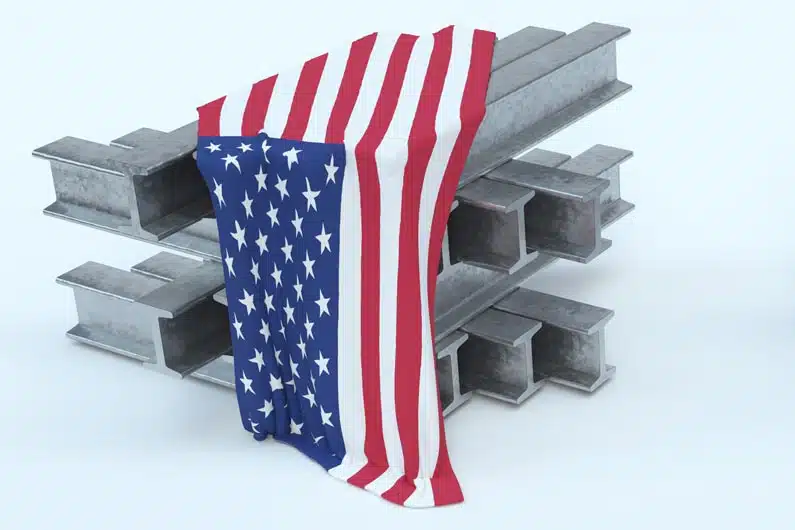
What to Know Before Importing Steel
Importing steel is where one wrong assumption turns into a costly mistake. US steel production has declined for decades while foreign mills turn out low-cost steel, and American mills have answered by pushing for strict anti-import rules. Before you source a single ton, you need to know which duties, tariffs, and licenses apply to your shipment, and how you are going to move it.
Anti-Dumping Duties
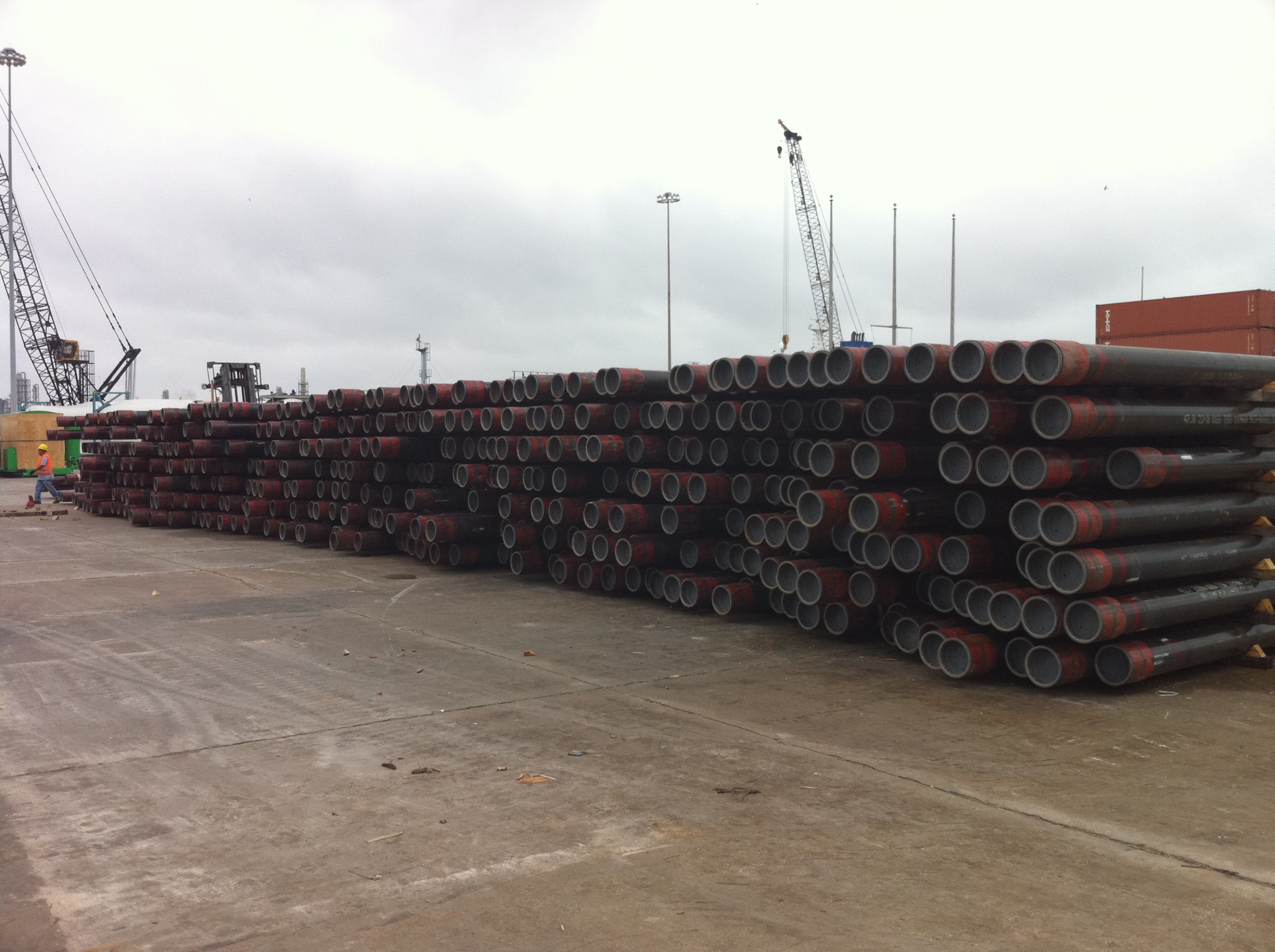
Anti-dumping duties are the costliest trap. Dumping means a producer sells steel in the US below a fair price, and the anti-dumping duty (ADD) is the government’s response. Some call it unfair trade and others call it a cheaper producer at work, but the duty is real, it is heavy, and an importer ignores it at their peril.
ADD is narrow. It targets specific products from specific mills in specific countries, not every foreign steelmaker and not every steel good. You often cannot tell if a supplier is subject to ADD without checking, and the simplest check is a knowledgeable customs broker before you source the steel.
Section 232 Tariffs on Steel
Section 232 of the Trade Expansion Act of 1962 lets the federal government tax imports it judges a risk to national security. The US used it to put a 25 percent tariff on imported steel in 2018, then expanded the measure in 2025, removing most country exemptions and the product exclusion process and raising the steel rate to 50 percent for most trading partners. A 2026 revision applies the duty to the full value of many covered products rather than only their metal content, with tiered rates by product code. Rates, country treatment, and the list of covered products change often, so confirm the current duty with a customs broker before you commit to a supplier.
SIMA Import Licenses
US importers of steel mill products also need a Steel Import Monitoring and Analysis (SIMA) license for each shipment. The license is free and filed through the online SIMA portal, where you enter the country of origin and other shipment details. A single low-value license covers shipments valued at 5,000 dollars or less. You apply at trade.gov/steel. The system exists to track steel imports closely and flag import surges and transshipment.
How to Ship Steel
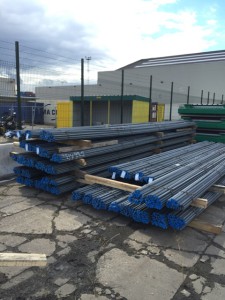
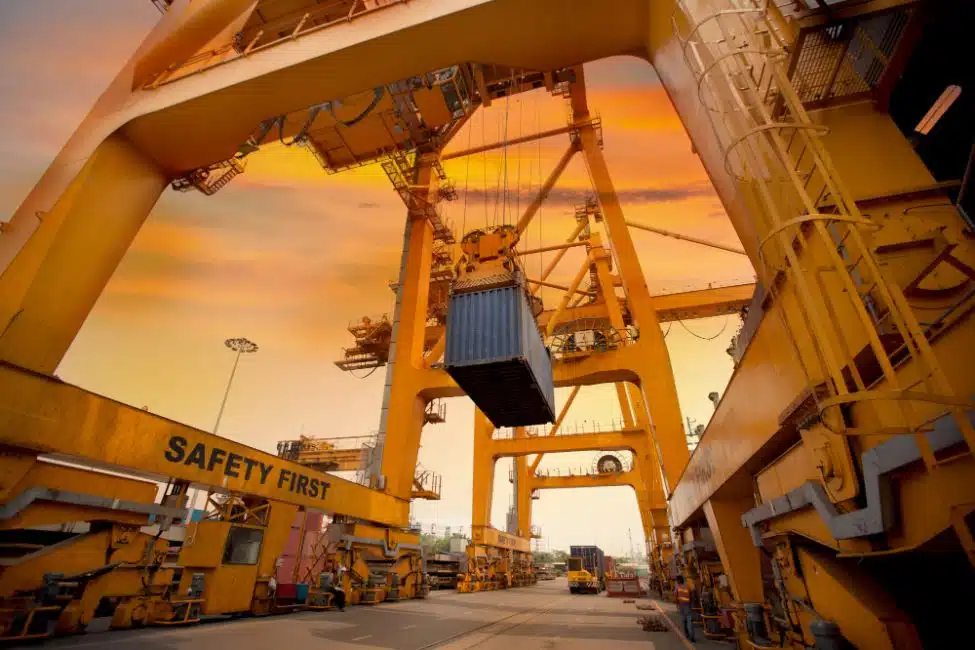
Two ocean methods cover most steel moves. Container vessels are dependable and inexpensive and sail on frequent, regular schedules, but the inside dimensions and weight limits of a container cap what fits. Breakbulk ships carry no such limits, at the cost of higher rates, less frequent sailings, and fewer ports served. Roll-on roll-off is another option worth checking case by case.
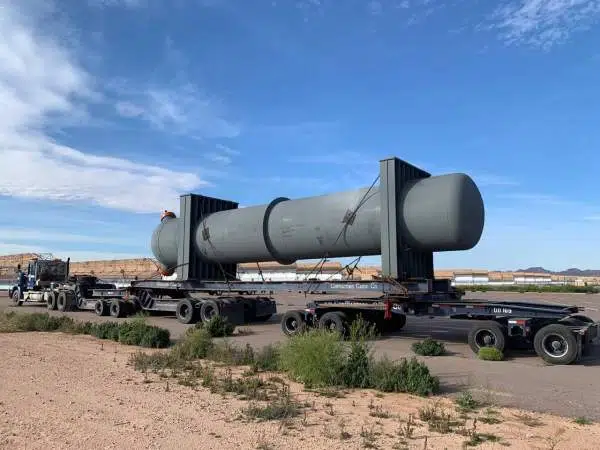
Air freight can move steel, but the cost of air means it is used only when speed justifies the premium, such as an urgent run of unfinished steel. Inside the US, trucking moves limited quantities domestically. We ship steel across the lower 48 on flatbed trucks or more specialized trailers as the load demands, and we coordinate the same care for cross-border lanes to Canada and Mexico.
Working With Texas International Freight
Importing steel cleanly takes a partner who tracks the duties, the licenses, and the freight together. Texas International Freight coordinates customs clearance, SIMA licensing, and the ocean or truck move so your steel arrives without a surprise duty bill or a held shipment. Tell us what you are importing and where it is coming from, and we map the route and the paperwork.
Plan Your Steel Import
Texas International Freight handles ocean, breakbulk, and domestic trucking for steel and steel products, with customs clearance and SIMA licensing managed by our in-house broker. Send us the product, origin, and destination, and we return a plan and a quote.
Contact Information:
- Phone: +1 877-489-9184
- Email: ship@txintlfreight.com
- Address: 11511 Katy Fwy #320, Houston, TX 77079
- Web Form: Request a Quote
Connect With Us:
What duties apply when importing steel into the US?
Steel imports can face Section 232 tariffs, anti-dumping and countervailing duties, and standard customs duties, depending on the product, the mill, and the country of origin. Because rates and coverage change often, confirm the current duties with a customs broker before you source the steel.
What is an anti-dumping duty on steel?
An anti-dumping duty is an extra tariff applied when a foreign producer sells steel in the US below a fair price. It targets specific products from specific mills in specific countries, so two suppliers of the same product can face sharply different duties. A broker can check whether your supplier is covered.
Do I need a SIMA license to import steel?
Yes. US importers of steel mill products need a free SIMA license for each shipment, filed through the online portal at trade.gov/steel. A single low-value license covers shipments valued at 5,000 dollars or less. The license records the country of origin and other shipment details.
How is steel shipped internationally?
Most steel moves by ocean, in containers for standard sizes or as breakbulk for oversized loads and bundles that exceed container limits. Roll-on roll-off suits some cargo, air freight is reserved for urgent needs, and trucking handles domestic distribution on flatbed or specialized trailers.
Can you ship steel across the border to Canada or Mexico?
Yes. We run cross-border lanes to Canada and Mexico for steel and steel products, on flatbed and specialized trailers, with the customs documentation handled alongside the move so the load clears without delay.