Plastic Resin and Chemical Export Shipping From the Houston Gulf Coast
Plastic resin shipping looks simple until a spill, a missing safety data sheet or a misclassified pail stops your container at the gate. Resin pellets, oilfield chemicals and coatings each follow their own rules. You need a forwarder who reads the paperwork before the cargo moves.
Plants along the Houston Ship Channel and the Gulf Coast produce polyethylene, polypropylene and other resins for buyers worldwide. Texas International Freight books those loads alongside the chemicals that support oil and gas, mining and construction work. Is your cargo regulated, or does it only look that way?
Resin and Chemical Loads Our Team Has Quoted
Recent requests show the mix. One shipper asked us to move a 40 ft load of plastic resin in gaylord boxes from Houston to Hong Kong. Other importers needed customs clearance for plastic resin arriving in the United States.
On the regulated side, a client asked us to ship hazardous aerosols, UN 1950, Class 2, packed as limited quantity, in a 20 ft container from Ohio to Khor Fakkan, UAE. Another requested 12 pallets of resin centralizers by air from Houston to Abu Dhabi. We also quoted rust inhibitor chemicals in 5-gallon pails to Guyana, and glass and resin raw materials for a factory in Vietnam.
Non-Hazardous Resin: Bags, Gaylords and Bulk Liners
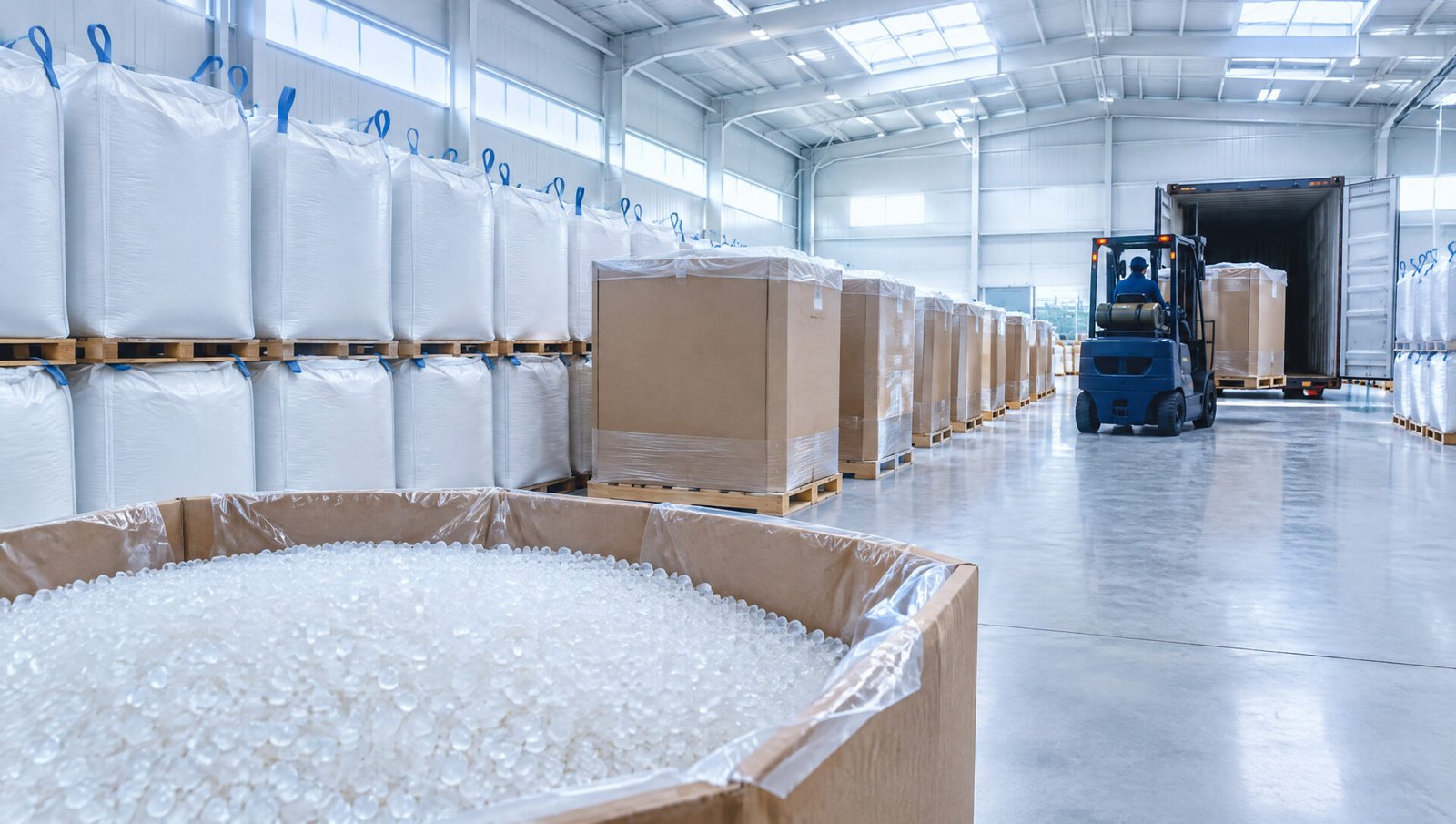
Most resin moves in one of three formats:
- Bags on pallets, shrink-wrapped and loaded by forklift.
- Gaylord boxes, the large corrugated bins used for pellets and regrind.
- Bulk liners, which turn a standard container into a pellet hopper.
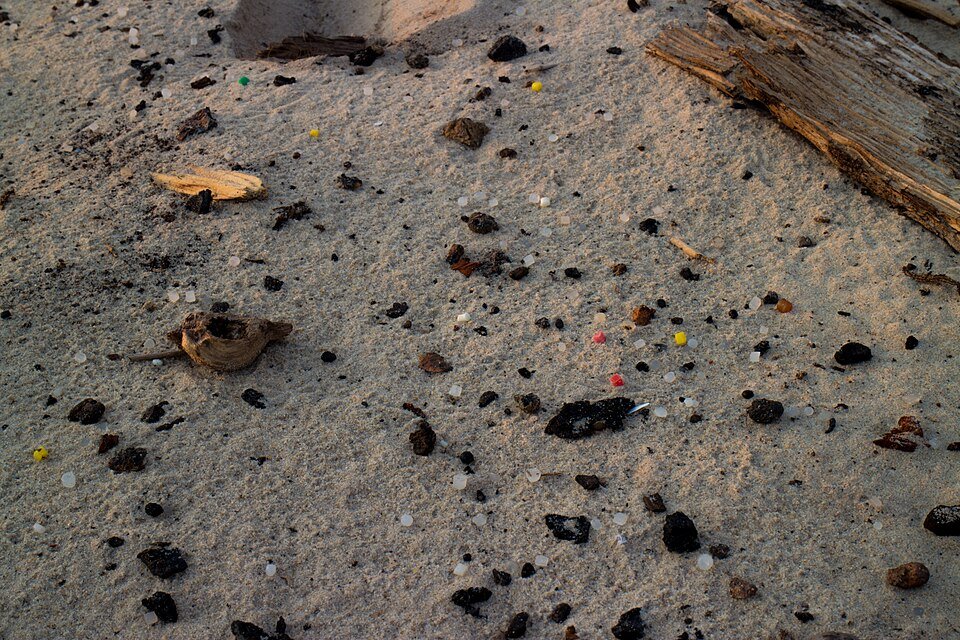
Check section 14 of the safety data sheet (SDS) for transport information. If it lists no UN number, your resin usually moves as general cargo. Spilled pellets still create a pollution risk. In 2024 the International Maritime Organization (IMO) issued recommendations for plastic pellets in freight containers. They call for good quality packaging, under-deck stowage where reasonably practicable and clear identification of pellet containers on transport documents. Expect carriers to ask for that information on your booking.
Dangerous Goods by Sea and Air
Ocean freight under the IMDG Code
Regulated chemicals moving by sea follow the International Maritime Dangerous Goods (IMDG) Code. You classify the product, pack it in approved packaging, label each package and declare it to the carrier. Our hazmat ocean freight team checks each step before the carrier accepts the booking.
Air freight under the IATA DGR
Air shipments follow the IATA Dangerous Goods Regulations, which limit quantities per package and per aircraft type. Some products that sail by ocean cannot fly at all. Our air freight desk confirms acceptance with the airline before you pack.
SDS, DG Declarations and Limited Quantities
Every chemical file starts with a current SDS. From it, your forwarder pulls the UN number, proper shipping name, class and packing group. Those details go on the dangerous goods declaration that travels with the cargo.
Limited quantities ease the rules for small inner packagings, such as aerosol cans in cartons. By sea, LQ packages carry the Limited Quantity mark instead of hazard class labels. The shipper still files a declaration that includes the words Limited Quantity or LTD QTY. A container holding only LQ goods needs the Limited Quantity mark on its sides. The Ohio aerosol load we quoted fits that path.
Importing resin or chemicals into the United States? Our customs broker team files your entry and checks agency requirements before arrival.
Middle East, Asia and South America Lanes
Resin and chemical exports from Texas move on many trade lanes. Gaylords of pellets sail to Hong Kong, and our shipping to Hong Kong page covers that route. Raw materials for factories go to Vietnam. Aerosols, coatings and oilfield supplies move to the Gulf, including Khor Fakkan and Jebel Ali, through our Houston to Dubai and UAE service.
Closer to home, rust inhibitors and drilling chemicals support offshore work in Guyana. We also truck resin and packaged chemicals into Mexico through our shipping to Mexico service.
Get a Resin or Chemical Shipping Quote
Send us the SDS, packaging type, weight and destination. We will tell you if the cargo is regulated and book the right mode. Request a quote online or call +1 877-489-9184 to speak with our Houston team.
Frequently Asked Questions About Plastic Resin Shipping
Is plastic resin a dangerous good?
Many polyethylene and polypropylene pellets ship as general cargo, but the SDS decides. Check section 14 for a UN number. Resin centralizers for oil and gas wells and resin parts for heavy machinery usually ship as general cargo, while resin adhesives or catalysts may be regulated.
How do you ship chemicals with heavy equipment to a project site?
We book them as separate lines on the same project. A mining or oil rig project may ship breakbulk machinery on deck and rust inhibitors or coatings in a declared dangerous goods container. Each line gets its own paperwork.
Can aerosols ship as limited quantity in a full container?
Yes, when each inner can stays within the limited quantity limit. The UN 1950 aerosol load we quoted from Ohio to Khor Fakkan was planned that way. Construction and energy contractors often ship paints and lubricants the same way.
Can resin products move by air?
Non-regulated resin goods fly as general cargo. We quoted 12 pallets of resin centralizers by air from Houston to Abu Dhabi for an oilfield client. Regulated chemicals must meet IATA DGR rules and airline acceptance first.
Do you ship resin and chemicals to Mexico and Canada?
Yes. We truck bagged resin, gaylords and packaged chemicals across the Texas border into Mexico, and we route loads to Canada by truck or rail. Agricultural equipment makers and construction suppliers on both sides use these lanes for raw materials.