Freight Security for Heavy Machinery, Oil Rigs, and Breakbulk Cargo
You are about to ship a high-value load, and one question sits above the rest: will it arrive intact and untouched? Security is the most important factor in moving freight, at home or abroad. How do you protect a machine worth six figures from damage, theft, and the shocks of the road and the high seas?
Good security keeps your goods from being damaged or stolen in transit and keeps the people handling them safe. It also means packing the cargo so vibration and shock cause no damage along the way. Much of it comes down to the mode of transport you choose, road, air, or water, but some factors apply no matter which you pick.
Packaging, loading, unloading, direction changes, and friction in transit all have to be handled well to keep a shipment secure. You need a plan that accounts for every one of them. For specialized cargo such as heavy machinery, agricultural equipment, or oilfield equipment, that planning matters even more. Here are ten ways to move freight securely.
Blocking
Blocking fills the empty spaces inside your cargo container so the load, often wheeled equipment, does not shift in transit. It uses wedges, chocks, wood bracing, and walls, and it matters most when moving construction equipment or mining machinery.
A Freight Forwarder’s Export Crating
A freight forwarder with crating capability takes the security burden off you and handles every part of the move. The forwarder gets the crating and export packing right and makes sure the freight is loaded, sealed, cleared, and shipped. They meet the legal requirements, including customs clearance with a licensed customs broker and the shipper’s Bill of Lading or Air Waybill. Once the cargo moves, the forwarder stays in contact by phone and GPS tracking, and only steps back once the freight reaches its destination, is unloaded, and any shortage or damage is accounted for.
Full Truckload and Heavy Haul Trucking
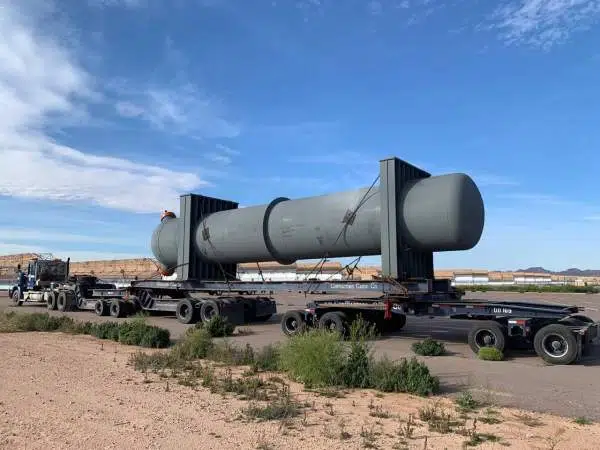
Full truckload works for freight large enough to fill a semitrailer or flatbed, up to about 44,500 lbs or a few dozen pallets. Once your cargo is loaded, it is not handled again until it reaches its destination, which keeps damage and theft to a minimum. For oversized or overweight freight, heavy haul trucking adds proper tie-downs, escorts, and planned routing.
A Layered Security System
Cargo thieves are everywhere and getting smarter, using cyber-attacks, physical attacks, and deceit to strip parts or take a whole load. A layered approach answers that. Use technology to secure your freight, and pair it with physical security devices and proper documentation. Then work with reputable freight forwarders in Houston experienced in high-value shipments to destinations such as Mexico, Canada, and Israel.
Lashings and Tie-Downs
Lashing ties your cargo down firmly on the truck bed or the flat rack container, using straps, chains, and cords to hold it in place. NCB standards apply in particular when preparing breakbulk cargo for shipping.
Palletize and Crate Loose Items
Loose items need palletizing and crating to avoid damage and loss. That matters most on mixed international loads, such as heavy machinery to the UK or Central Asian destinations.
Or Box Them
For a shipment of 200 pounds or lighter, boxing works well. Stacked, column-aligned boxes can be tied together to reduce movement during transit.
Skidding and Cradling
Cargo that extends beyond standard pallet dimensions needs custom skidding and cradling. Yachts, turbines, and transformers each call for a tailored cradle.
Insurance Coverage
Even with every precaution, theft or damage can still happen, which is why proper freight insurance for heavy equipment matters. Texas International Freight offers dollar-for-dollar cargo insurance for nearly all global destinations.
Chaining Wheeled Equipment
Wheeled equipment can slip out from under tie-downs. Run chains under the tie-downs to stop lateral movement from rolling.
Why Freight Security Pays Off
The financial loss from freight damage or theft runs steep. Shipping to Canada, Mexico, or overseas, you cannot afford to send cargo without strong security in place. Applying these ten methods, with the right approach for heavy equipment, agricultural machinery, and oilfield equipment, cuts the risk and gets the load there safely.
Ship Your Freight Securely
Texas International Freight moves heavy machinery, agricultural equipment, and oilfield cargo with the right security in place, handling freight insurance, customs clearance, and routing across the U.S., Mexico, Canada, and overseas. Send us the details and we return a plan and a quote.
Contact Information:
- Phone: +1 877-489-9184
- Email: ship@txintlfreight.com
- Address: 11511 Katy Fwy #320, Houston, TX 77079
- Web Form: Request a Quote
Connect With Us:
What is the most secure way to ship heavy equipment?
For a single heavy machine, full truckload or heavy haul trucking keeps handling to a minimum, paired with blocking, lashings, and chaining for wheeled units. Across an ocean leg, breakbulk with proper crating, cradling, and tie-downs to NCB standards protects the piece. The right method depends on the cargo’s size, weight, and route.
How do you secure wheeled equipment like loaders and tractors?
Wheeled equipment can roll out from under straps, so run chains under the tie-downs to stop lateral movement, and use blocking with chocks and wedges to fill space and hold the unit in place. The combination keeps a loader or tractor steady through braking, turns, and rough seas.
Do I need cargo insurance if the freight is well secured?
Yes. Good securing cuts the risk but does not remove it, and theft or an incident at sea can still happen. Dollar-for-dollar cargo insurance covers the value of the load, which matters when a single machine is worth six figures.
What does a freight forwarder handle on the security side?
A forwarder manages crating and export packing, loading and sealing, customs clearance with a licensed broker, and the shipping documents, then tracks the cargo by phone and GPS until delivery. That single chain of custody removes the weak handoffs where damage and theft tend to occur.
How is oversized or breakbulk cargo kept secure at sea?
Oversized pieces ship on flat rack or as breakbulk, secured with lashings, chains, and custom cradles or skids built to the unit. Turbines, transformers, and yachts each get a tailored cradle, and the lashing follows recognized standards for the voyage.