Shipping Heat Exchangers for Power, Oil and Gas, and Process Industries
A heat exchanger built in one country often has to reach a power plant, refinery, or chemical facility on another continent. It is heavy, precise, and pressure-rated, and a knock in transit can put it out of spec. How do you move one from Houston to an overseas site without damage or a customs delay? A clear assessment, proper crating, the right mode, and clean paperwork get it there intact.
Texas International Freight ships heat exchangers from Houston to oil and gas, power, and process projects worldwide. We handle the assessment, the crating, the mode, the customs, and the delivery as one job.
What Heat Exchangers Do and Where
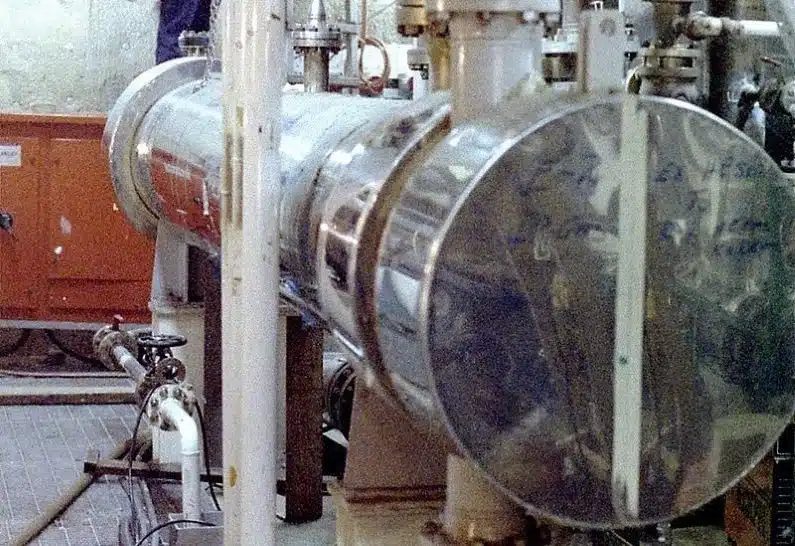
Heat exchangers transfer thermal energy, and they run through power generation, oil and gas, chemical processing, HVAC, and manufacturing. They come in several designs, shell-and-tube, plate-and-frame, and air-cooled, built to ASME and TEMA standards in stainless steel, titanium, or copper-nickel depending on the service. The type, size, and material set how the unit ships.
Preliminary Assessment
Every move starts with an assessment. We confirm the dimensions, weight, and fragility of the heat exchanger to pick the right packaging and mode, and we note any special handling, such as a temperature-controlled environment or extra cushioning, that protects the unit in transit.
Compliance and Certifications
International shipments follow the rules at the destination. We work through the customs requirements, import restrictions, and documentation specific to the destination country, and confirm the unit meets the certifications and standards the target market expects before it ships.
Packaging and Crating
Crating protects the investment. Our export packing uses custom crates built to the unit’s dimensions, with foam or padding to guard the equipment against the shocks, vibration, and weather of a long voyage. Larger shell-and-tube units are blocked and braced for the breakbulk move.
Mode of Transportation
Budget, urgency, and destination decide the mode. Air freight moves time-sensitive units fast at a premium, while ocean freight carries larger, heavier exchangers cost-effectively, on flat rack or as breakbulk when the unit exceeds container size. Some projects use both.
Documentation, Insurance, and Customs
Accurate paperwork keeps the move on schedule. The set covers the commercial invoice, packing list, and certificate of origin to the destination’s requirements, prepared with the freight forwarder and the customs broker handling the oil and process equipment. High-value units carry cargo insurance against loss, theft, or damage, valued and documented up front. We track the shipment in real time, address any deviation quickly, and clear customs at arrival for the final delivery to the site.
Working With Texas International Freight
Heat exchangers are heavy, high-value, precision cargo, and that is our lane. We run the assessment, packing, ocean or air leg, customs, and delivery on one desk from Houston to the site. The same team handles the broader oil and gas machinery on a project. Tell us the unit and the destination, and we map the move.
Ship Your Heat Exchangers
Texas International Freight moves shell-and-tube, plate-and-frame, and air-cooled heat exchangers from Houston worldwide by ocean breakbulk and air, with crating, customs, and insurance handled in house. Send us the unit, dimensions, and destination, and we return a plan and a quote.
Contact Information:
- Phone: +1 877-489-9184
- Email: ship@txintlfreight.com
- Address: 11511 Katy Fwy #320, Houston, TX 77079
- Web Form: Request a Quote
Connect With Us:
How are heat exchangers shipped internationally?
The unit is assessed for size, weight, and fragility, custom-crated, and moved by ocean as breakbulk or on flat rack for large units, or by air for urgent ones. We handle the customs clearance at both ends.
What types of heat exchangers do you ship?
Shell-and-tube, plate-and-frame, and air-cooled units, in stainless steel, titanium, or copper-nickel, for power generation, oil and gas, chemical processing, HVAC, and manufacturing.
How are heat exchangers protected in transit?
Custom crates with foam or padding shield the unit from shock, vibration, and weather, and we add temperature-controlled handling when the equipment calls for it.
What documents does a heat exchanger shipment need?
The core set is the commercial invoice, packing list, and certificate of origin, plus any certifications the destination market requires. Our customs broker handles the clearance.
Air or ocean freight for a heat exchanger?
Ocean freight, as breakbulk or flat rack, suits large heavy units cost-effectively. Air freight is reserved for urgent or smaller units where speed is worth the premium.