Shipping Oil and Gas Machinery Within the US and Worldwide
Oil and gas machinery is some of the heaviest, most valuable, and most schedule-critical cargo in freight. A rig component that misses its window idles a drilling program; a compressor stuck in customs stalls a pipeline. Texas International Freight is a shipping company specializing in heavy equipment for the energy sector, moving machinery within the United States and to oilfields worldwide. What does your equipment list look like, and where does it need to be?
The Machinery That Keeps Oil and Gas Moving
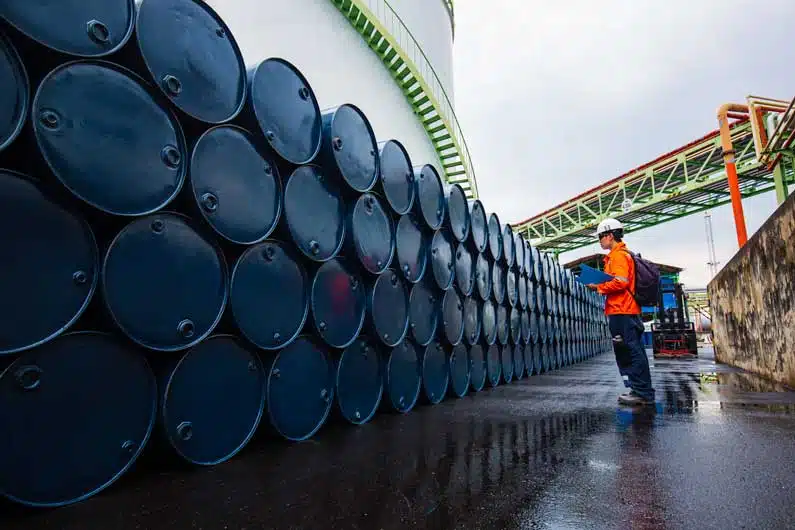
Global operations run on a specific set of equipment, and almost all of it ships as oversize or project cargo:
- Drilling rigs and drilling equipment, from compact land rigs to components for offshore platforms
- Pipeline infrastructure: pipe, valves, blowout preventers, and compressors
- Wellheads, pumps, and generators for upstream and downstream sites
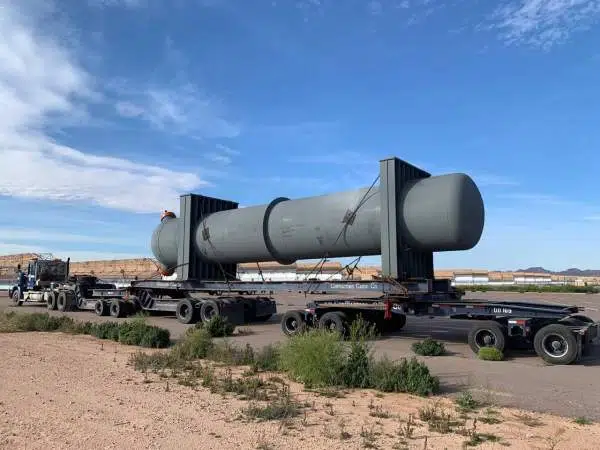
Each category carries its own handling rules: BOPs ship with certified lifting points, compressors ride on engineered skids, and rig packages move as multi-piece project shipments with a load list that runs to dozens of lines. Our heavy item moving desk plans each one against the destination site’s schedule.
Why This Cargo Demands a Specialist
Energy equipment combines three difficulties at once: weight that requires permitted heavy haul and engineered lifts, value that demands insurance and surveyed handling, and deadlines tied to rig and project schedules that do not move. Add export controls on certain drilling and subsea technology, and the paperwork matters as much as the trucking. The Texas oil and gas logistics lane is our home territory: Houston sits at the center of the equipment manufacturing belt, and the port infrastructure here exists for exactly this freight.
Four Ways the Equipment Travels
Domestically, trucking and rail carry machinery between manufacturing plants, supply yards, and well sites, with rail taking the dense long-haul units and permitted trucks covering everything else.
Air freight moves the urgent pieces. A failed downhole tool or control system flies, because a day of rig downtime costs more than any airfreight bill.
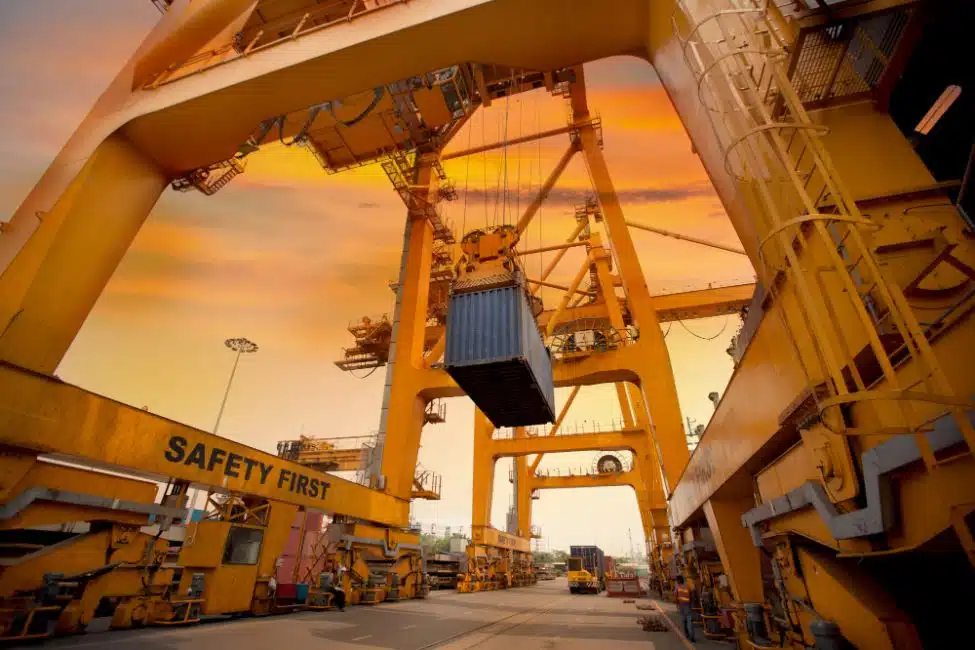
Ocean freight carries the international volume: containers for crated components, flat racks for awkward pieces, and breakbulk or chartered vessels for full rig packages. Multimodal plans combine the legs, so a BOP can truck from a Houston shop, sail to West Africa, and deliver to a supply base on one booking.
Working With Texas International Freight
One Houston team quotes the move, screens the export classification, books the capacity, and tracks the shipment to the site. We have served drilling contractors, equipment manufacturers, and operators for two decades, and the energy sector remains the core of our project work.
Ship Your Oil and Gas Equipment
Texas International Freight moves drilling rigs, BOPs, compressors, wellheads, and pipeline equipment within the US and worldwide. Send us the load list, dimensions, and destination, and we return a routing and a quote.
Contact Information:
- Phone: +1 877-489-9184
- Email: ship@txintlfreight.com
- Address: 11511 Katy Fwy #320, Houston, TX 77079
- Web Form: Request a Quote
Connect With Us:
What oil and gas machinery ships as project cargo?
Drilling rig packages, blowout preventers, compressors, pipeline sections, wellheads, pumps, and generators. Most of it exceeds container dimensions or weight, so it moves on flat racks, breakbulk berths, or chartered vessels.
How do blowout preventers ship?
BOPs travel on engineered skids with certified lifting points, surveyed before loading. The weight concentrates in a small footprint, so the lift plan and the trailer axle math matter more than the overall dimensions.
Do energy equipment exports need licenses?
Some do. Certain drilling, subsea, and processing technology falls under US export controls, and sanctioned destinations add restrictions. Screening happens before booking, so the shipment never reaches a port it cannot leave.
When does air freight make sense for oilfield parts?
When downtime costs exceed the airfreight premium: failed downhole tools, control systems, and critical spares fly while the routine resupply moves by ocean. A stacked rig burns money far faster than a charter does.
Why ship oil and gas equipment through Houston?
Houston anchors the US energy manufacturing belt, and its port handles more project and breakbulk cargo than any other in the country, with the cranes, laydown yards, and sailings the equipment needs.