Cargo Ship Types and How They Are Classified
Cargo ships move heavy goods and materials from one port to another, and the type and size of the vessel decide your cost, your route, and which canals and ports are open to your shipment. Which ship fits your freight? In seafreight, several types of cargo ship, also called freighters, handle different loads, and thousands are at sea at any moment because ocean shipping remains the most practical way to move goods, the safest option for delicate cargo, and the cheaper alternative to air.
Freighters fall into five main groups by the load they carry. Here is how cargo ships are classified, followed by the size classes that decide which canals and routes a vessel can use.
General Cargo Vessels
General cargo vessels carry packaged merchandise. Specialized versions include container ships, which move cargo using containerization.
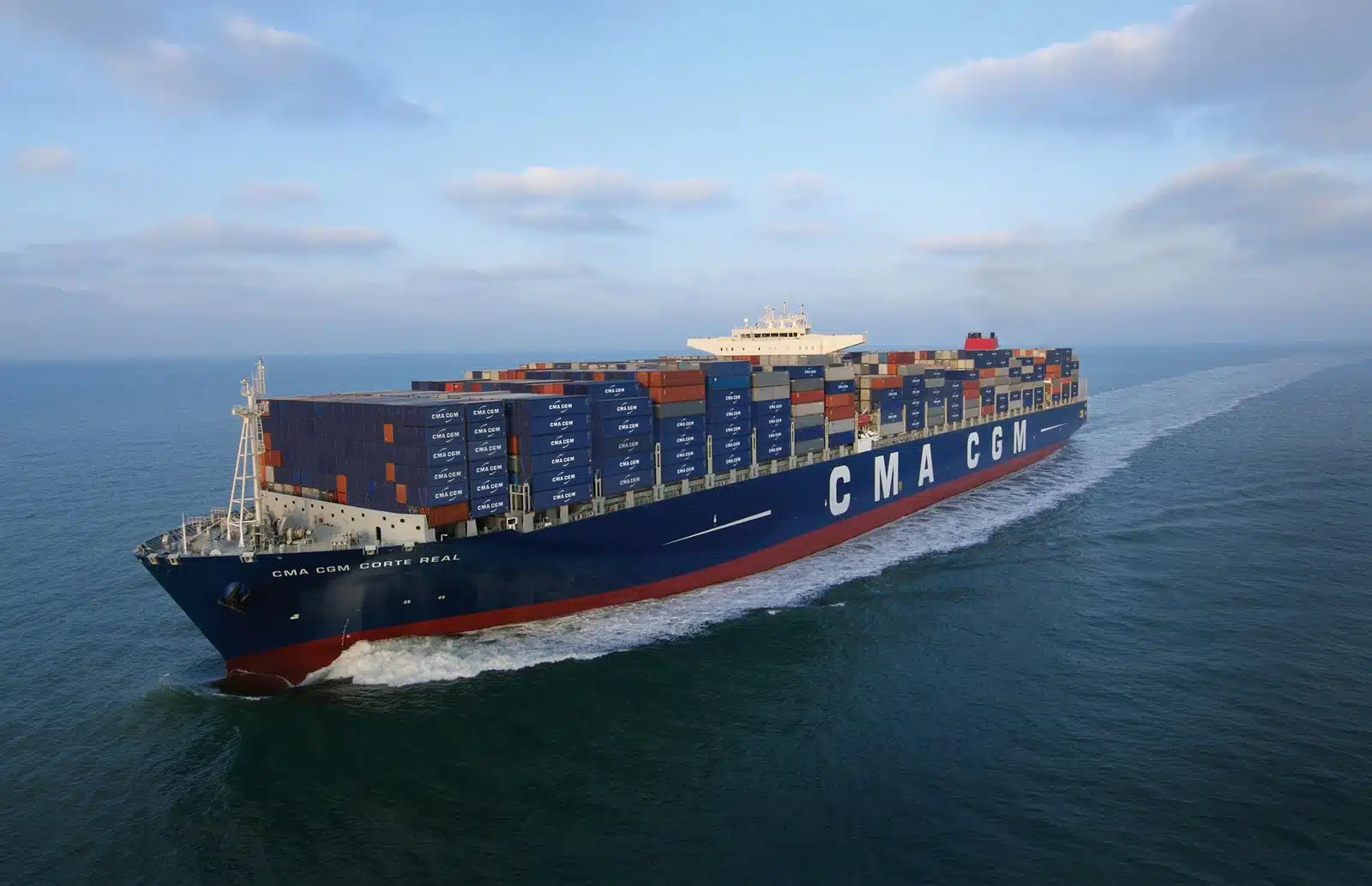
Container Ships
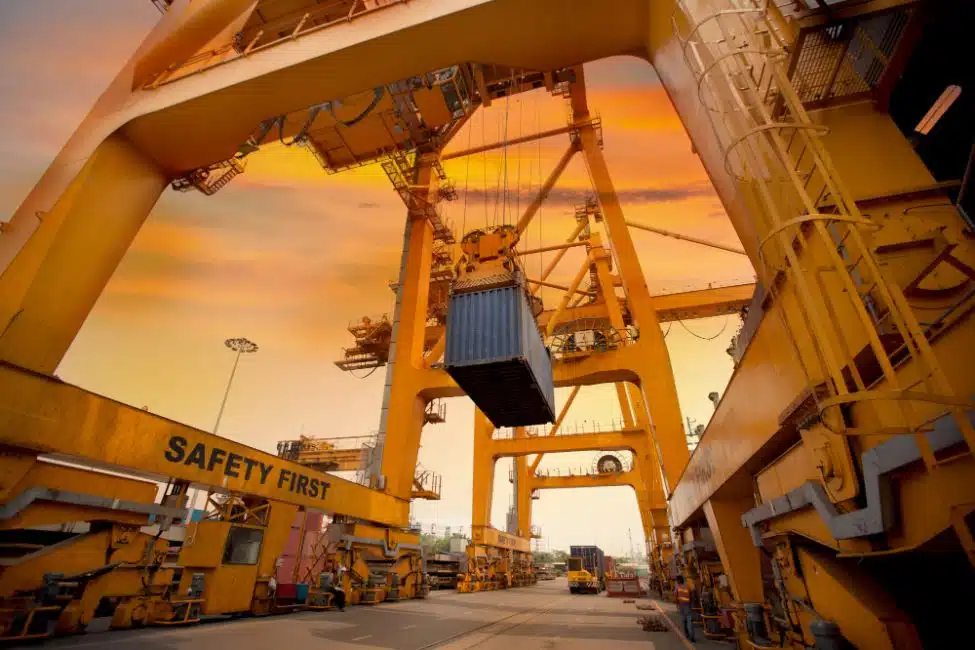
Containerization moves freight in shipping containers (also called intermodal containers) that load, unload, stack, and transfer across ship, rail, and truck. Container ships carry the majority of non-bulk cargo in 20-foot and 40-foot ISO-standard containers and are the largest commercial vessels on the ocean, with capacity up to around 24,000 TEU on the newest ships.
Tankers
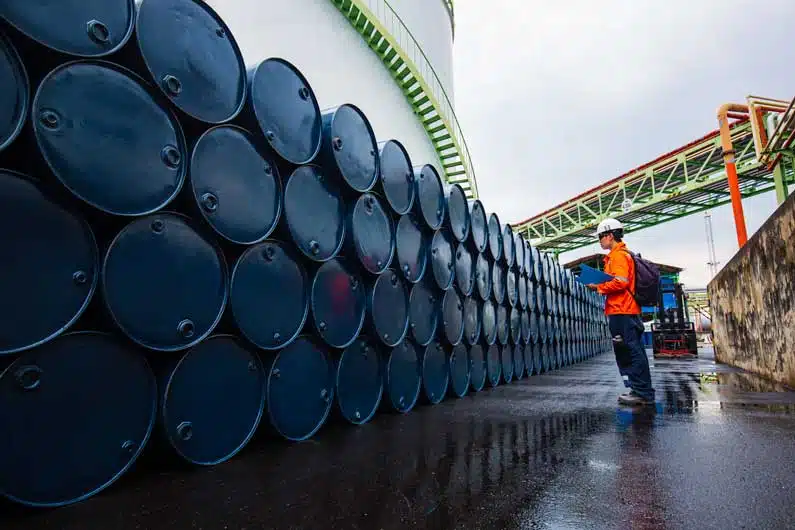
Tankers carry liquids or gases, with capacity from several hundred tons to several hundred thousand tons. The product determines the specialized tanker:
- Chemical tankers
- Oil tankers
- LNG carriers (Liquefied Natural Gas)
Moving the equipment that supports this sector, from pumps to LNG transportation equipment, is part of our oil and gas logistics work.
Bulk Carriers
Bulk carriers are also called bulk freighters or bulkers. They split into two types:
Dry bulk carriers transport unpackaged bulk cargo such as grain, ore, and cement.
Breakbulk cargo vessels carry packaged cargo such as cement, sugar, palletized goods, paint, chemicals, timber, and other manufactured goods. For oversized or project loads, this is where breakbulk cargo shipping comes in.
Multi-Purpose Vessels
Multi-purpose vessels carry a wide range of loads including steel, wood, construction materials, and paper rolls. They break into four types:
- Vessels with cargo gear
- Vessels without cargo gear
- Coastal trade liners
- Sea-river vessels
Reefer Ships
Reefer ships are refrigerated vessels that carry perishable commodities such as meat, fish, fruit, vegetables, dairy, and other temperature-controlled cargo.
Roll-On Roll-Off Ships
Roll-on roll-off ships, or RoRo vessels, carry wheeled cargo that drives on and off the vessel over built-in ramps. Cars, trucks, trailers, and self-propelled machinery such as wheel loaders and combine harvesters travel this way, and pure car and truck carriers (PCTC) are the specialized version built for vehicle trade. RoRo service is the backbone of vehicle shipping and a common route for heavy equipment shipped overseas under its own power.
Heavy-Lift and Project Cargo Vessels
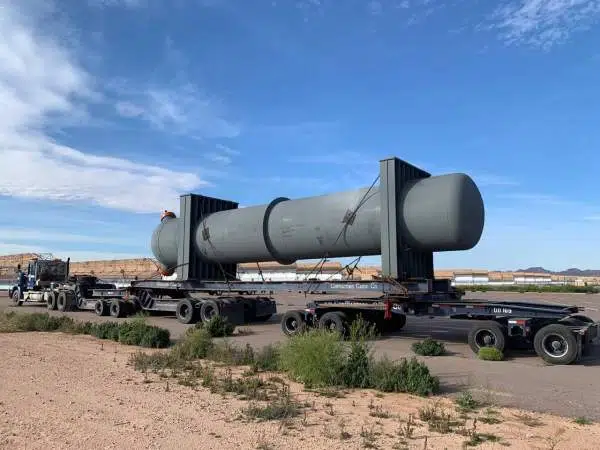
Heavy-lift ships carry single pieces that exceed the weight and dimensions ordinary vessels handle: transformers, reactors, drilling rig packages, and port cranes. These vessels mount cranes rated in the hundreds of tons, and semi-submersible versions ballast down to float cargo on and off. For a multi-unit industrial move, project logistics and vessel charter put the whole shipment on one plan.
Cargo Ship Size Classes by Dimension and Weight
Cargo ships are also classified by length, width, and weight, because physical limits decide which canals a vessel fits, what water depths it clears, and which bridges it passes under. DWT (deadweight tonnage) measures how much mass a ship can safely carry, not counting the weight of the ship itself. The main size classes:
- Handysize: 15,000 to 35,000 DWT
- Handymax: 40,000 to 50,000 DWT
- Supramax: 50,000 to 60,000 DWT
- Panamax: 65,000 to 80,000 DWT, the largest size that fits the original Panama Canal locks; draft limits cap its cargo at about 52,500 tons
- New Panamax (Neopanamax): around 120,000 DWT, sized to the expanded Panama Canal locks that opened in 2016
- Aframax: oil tanker of about 80,000 to 120,000 DWT
- Suezmax: 160,000 DWT, the largest size that fits the Suez Canal
- Malaccamax: up to 300,000 DWT, the largest that safely passes the Strait of Malacca
- Capesize: typically 150,000 to 200,000 DWT, with the largest ore carriers reaching about 400,000; too large for the Panama and Suez Canals, so these route around the Cape of Good Hope and Cape Horn
- VLCC (Very Large Crude Carrier): supertankers between 150,000 and 320,000 DWT
- ULCC (Ultra Large Crude Carrier): supertankers between 320,000 and 550,000 DWT
- Seawaymax: the largest size that fits the St. Lawrence Seaway locks, limited by the lock dimensions to roughly 28,000 DWT
Who Classifies Cargo Ships
Classification societies set and verify the technical standards a cargo ship must meet. The American Bureau of Shipping (ABS), headquartered in the Houston area, Lloyd’s Register, DNV, and ClassNK survey hulls, machinery, and equipment, and a vessel keeps its class certificate only through periodic inspection. The International Maritime Organization (IMO) assigns each ship a permanent seven-digit IMO number, and the flag state enforces safety and crewing rules. Insurers and charterers rely on class status, so a vessel out of class struggles to find cargo.
Choosing the Right Vessel for Your Cargo
Vessel type and size decide cost, transit time, and which ports and canals are open to your shipment. Speed plays in as well: most cargo ships cruise between 13 and 20 knots, with container ships at the faster end and heavy-lift vessels at the slower end. Matching heavy machinery or oversized freight to the right vessel is part of route planning, and getting it wrong adds cost and delay. Texas International Freight books the right vessel for your cargo, from container service to breakbulk and heavy-lift ocean freight.
Book the Right Vessel for Your Cargo
Texas International Freight books container, breakbulk, and heavy-lift ocean freight for machinery, oversized equipment, and project cargo. Send us the cargo and the route, and we match it to the right vessel and return a quote.
Contact Information:
- Phone: +1 877-489-9184
- Email: ship@txintlfreight.com
- Address: 11511 Katy Fwy #320, Houston, TX 77079
- Web Form: Request a Quote
Connect With Us:
What are the main types of cargo ships?
Cargo ships fall into five main groups by the load they carry: general cargo vessels (including container ships), tankers (oil, chemical, and LNG), bulk carriers (dry bulk and breakbulk), multi-purpose vessels, and reefer ships for refrigerated cargo. Each type is built for a specific kind of freight, which is why matching cargo to the right vessel matters for cost and safety.
What is DWT on a cargo ship?
DWT, or deadweight tonnage, is the measure of how much mass a ship can safely carry, including cargo, fuel, crew, and supplies, but not the weight of the ship itself. It is the standard figure used to classify cargo ships by size, from Handysize at 15,000 to 35,000 DWT up to ULCC supertankers above 320,000 DWT.
What is the largest size of cargo ship?
By deadweight tonnage, ULCC (Ultra Large Crude Carrier) supertankers are the largest, ranging from 320,000 to 550,000 DWT. Among dry cargo vessels, Capesize ships reach 400,000 DWT. By container capacity, the largest container ships carry around 24,000 TEU. The biggest vessels cannot use the Panama or Suez Canals and route around the Cape of Good Hope and Cape Horn.
What is the difference between Panamax and Suezmax?
Both are size classes named for the canals they fit. Panamax ships run 65,000 to 80,000 DWT and are the largest that pass through the original Panama Canal locks, though draft limits cap their cargo near 52,500 tons; the expanded locks that opened in 2016 take larger New Panamax ships. Suezmax ships reach about 160,000 DWT and are the largest that transit the Suez Canal. Vessels too large for either, such as Capesize, sail around the capes instead.
Which cargo ship is used for oversized and heavy equipment?
Oversized and heavy equipment usually ships on breakbulk cargo vessels, multi-purpose vessels, or dedicated heavy-lift ships, rather than container ships. These vessels carry cargo that will not fit standard containers and are equipped with cranes and reinforced decks for loading machinery, project cargo, and out-of-gauge freight.