Ocean and Breakbulk Freight to Ecuador
You ship machinery, energy or infrastructure equipment, or project cargo to Ecuador, and you need it cleared and delivered on time. Texas International Freight books ocean freight and breakbulk capacity from the US Gulf to Ecuadorian ports, prepares the paperwork, and arranges the inland move to your site. We handle the heavy and oversized loads that standard carriers turn away. What are you sending?
Energy, Infrastructure, and Industry
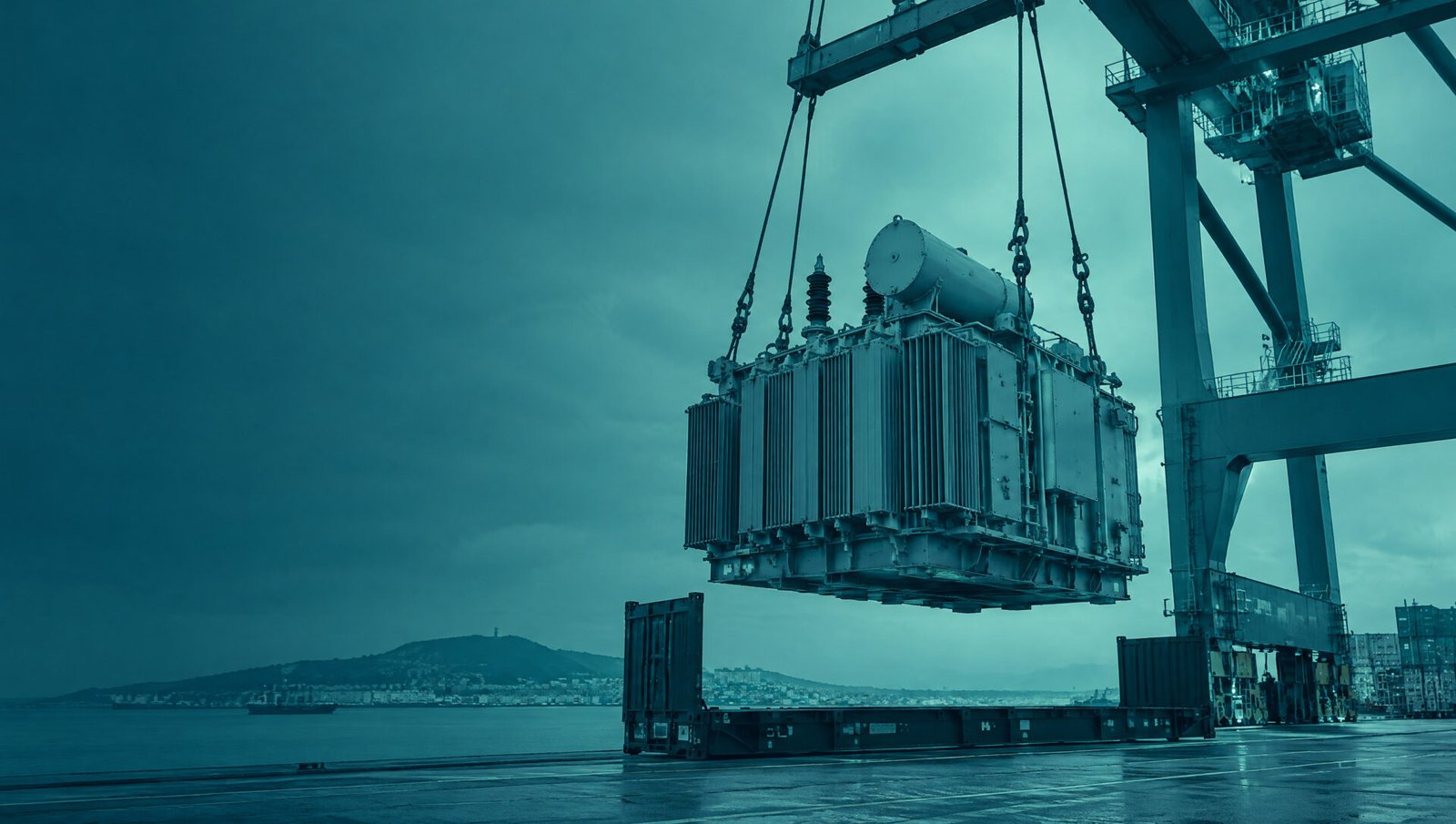
Ecuador’s oil sector, its hydroelectric and power projects, and its road and construction programs all pull in heavy equipment from abroad. Whether you are moving a transformer, an excavator, or a crane, the coastal ports connect to sites in the Sierra and the Amazon region by road, so route planning is part of the job. We run the ocean leg and the inland haul as one plan.
How Oversized Machinery Ships
Cargo that exceeds container dimensions moves as breakbulk, on flat rack and open-top units, by roll-on roll-off, or on a chartered vessel for a full project. Our crews handle export packing, blocking and bracing, and lashing, and we manage multi-piece industrial packages as coordinated project logistics.
Customs Clearance in Ecuador
Ecuador’s customs service, SENAE, clears imports through the Ecuapass system and the Ventanilla Unica single window, where the documents are filed electronically. The importer must register with SENAE and hold a RUC tax number issued by the tax authority. Each shipment needs:
✔ Commercial invoice
✔ Packing list
✔ Bill of lading
✔ Certificate of origin
✔ A correct Harmonized System code for each item
Our customs broker desk prepares the filing so the cargo releases without a hold.
Get Your Ecuador Shipment Booked
Texas International Freight coordinates your Ecuador shipment end to end from our Houston base, handling machinery, energy and infrastructure equipment, and project cargo. Send us the dimensions, weight, and delivery point, and we return a routing and a quote.
Phone: +1 877-489-9184
Email: ship@txintlfreight.com
Address: 11511 Katy Fwy #320, Houston, TX 77079
Explore our related services:
Breakbulk · Container Shipping · Air Freight · Vessel Charter
Frequently Asked Questions About Shipping to Ecuador
Which Ecuadorian ports handle heavy equipment?
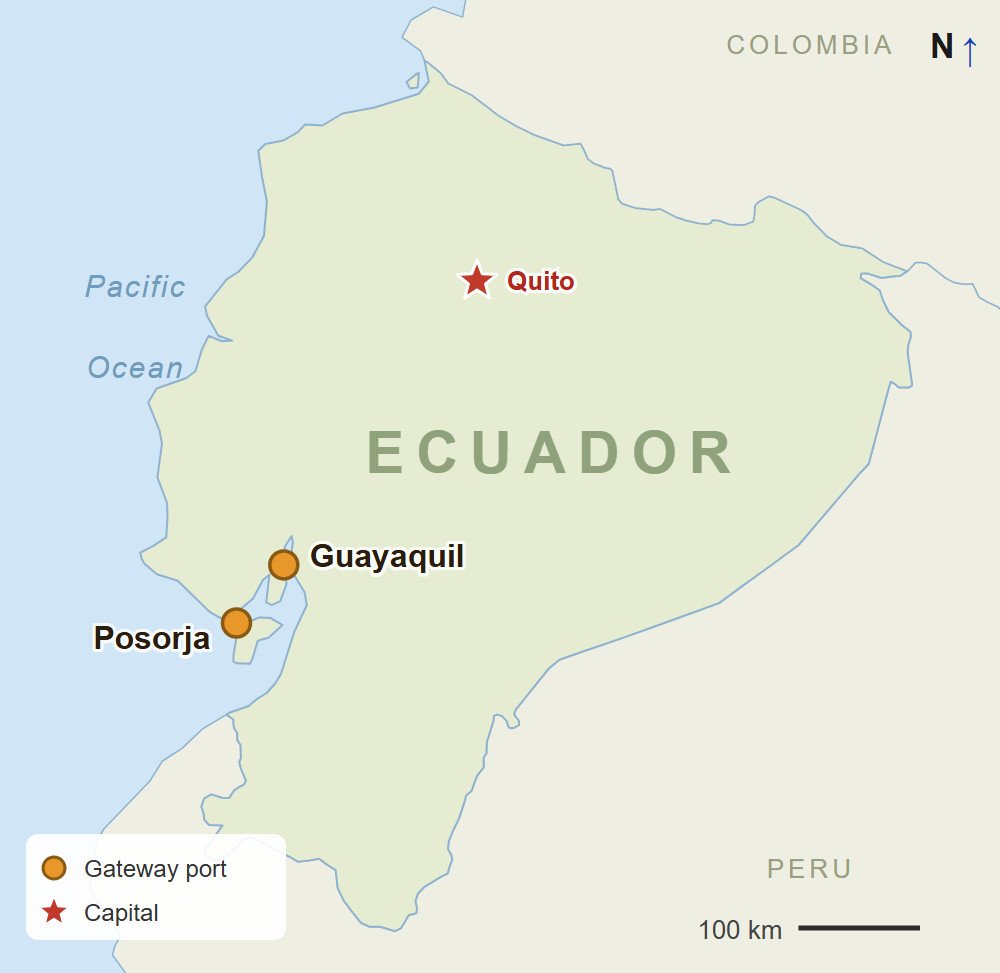
Guayaquil is the main commercial port for containers, breakbulk, and general cargo, and the DP World deepwater terminal at Posorja handles larger vessels with a 16.5 meter draft. We select the port that best fits your cargo and destination.
How long does ocean freight from the US to Ecuador take?
Plan on about 8 to 15 days at sea from the US Gulf to Guayaquil or Posorja, depending on the service and any transshipment. Add time for export clearance, SENAE customs entry, and inland delivery.
Can you ship oversized project cargo to Ecuador?
Yes. Cargo beyond container size moves as breakbulk, on flat rack and open-top units, by roll-on roll-off, or on a chartered vessel for a full project, with export crating, blocking and bracing, and lashing handled by our crews.
What documents do I need to import into Ecuador?
You need a commercial invoice, a packing list, a bill of lading, and a certificate of origin, plus a correct Harmonized System code for each commodity. The importer must register with SENAE and hold a RUC number, and declarations are filed through the Ecuapass single window.
Do you arrange inland delivery within Ecuador?
Yes. We plan the road move from Guayaquil or Posorja to sites in the Sierra, the coast, or the Amazon region, including permits and specialized trailers, so the ocean and inland legs run as one coordinated plan.
Shipping to Other Latin American Markets
Texas International Freight moves heavy equipment and project cargo across Latin America. See our other destination guides:
- Shipping to Argentina
- Shipping to Belize
- Shipping to Brazil
- Shipping to Chile
- Shipping to Colombia
- Shipping to Costa Rica
- Shipping to the Dominican Republic
- Shipping to Guatemala
- Shipping to Guyana
- Shipping to Honduras
- Shipping to Mexico
- Shipping to Panama
- Shipping to Peru
- Shipping to Suriname
- Shipping to Uruguay