
Shipping to the Middle East From the US
Texas International Freight ships heavy machinery, oil and gas equipment, and breakbulk cargo from Houston and across the US to the Middle East. The region’s oil, gas, construction, and infrastructure projects pull in US-built equipment, and we move it by ocean and air to the Gulf and the eastern Mediterranean. Which country, which port, and which mode depends on your cargo and your deadline.
We handle the export filing, coordinate destination customs, and arrange inland delivery. Below are the routes, the GCC customs rules, the documents, and direct guides to each country we serve.
Ocean and Air Routes to the Middle East
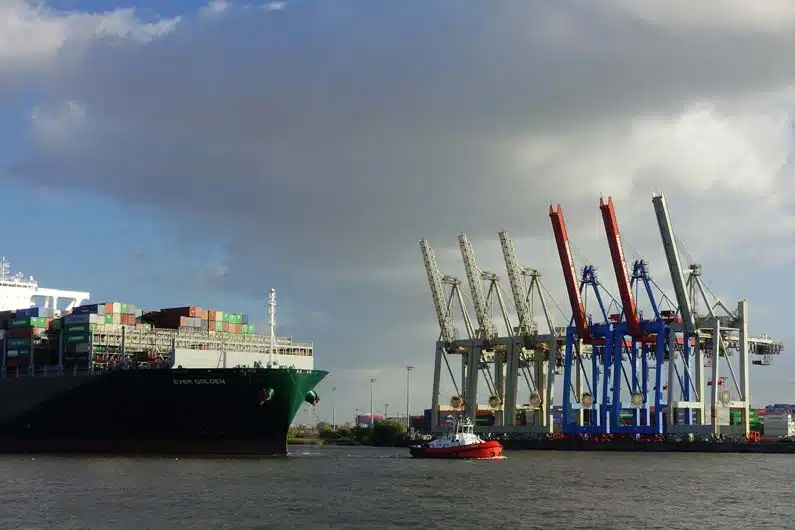
The main Gulf gateways are Jebel Ali in Dubai, King Abdulaziz Port in Dammam and Jeddah Islamic Port in Saudi Arabia, Hamad Port in Qatar, Shuwaikh and Shuaiba in Kuwait, and Sohar and Salalah in Oman. For the eastern Mediterranean, cargo routes through Turkish, Egyptian, and Israeli ports.
Cargo from the US Gulf and East Coast to the Arabian Gulf transits the Suez Canal and the Bab el-Mandeb Strait. Red Sea security disruptions since 2023 have led some carriers to reroute around southern Africa, which can add one to two weeks, so we book the carrier and routing that fit your schedule. Ocean transit commonly runs 30 to 45 days port to port.
Air freight through hubs such as Dubai (DXB and DWC), Doha, and Riyadh moves urgent oilfield and power-generation parts in a few days. For full project moves, air charter and vessel charter keep the shipment on one plan.
The GCC Customs Union
Six Gulf states, Saudi Arabia, the UAE, Qatar, Kuwait, Bahrain, and Oman, form the Gulf Cooperation Council, which runs a customs union with a common external tariff of 5% on most goods. Cargo cleared at the first GCC port of entry moves between member states without paying duty again. VAT applies on top, at 5% in most GCC states and 15% in Saudi Arabia.
Conformity rules vary by country. Saudi Arabia requires SASO registration and a SABER Certificate of Conformity, and the UAE uses the ECAS scheme for regulated goods. We confirm the requirements for your commodity before loading.
Documents Required
- Commercial invoice
- Packing list
- Bill of lading or air waybill
- Certificate of origin, often attested by a US Chamber of Commerce and, for some states, legalized through the destination’s Ministry of Foreign Affairs
- Correct HS codes for duty assessment
- Conformity certificates such as Saudi SABER or UAE ECAS for regulated goods
Country Guides
We ship across the region. For routes, ports, duties, and documentation by country, see our guides:
- Saudi Arabia
- United Arab Emirates (Dubai and Abu Dhabi)
- Qatar
- Kuwait
- Egypt
- Israel
- Turkey
- Cyprus
- Jordan
- Yemen
- Libya
- Bahrain
- Oman
- Lebanon
- Syria
Why Texas International Freight
We move the heavy and oversized cargo that standard carriers cannot touch: oil and gas equipment, construction and mining machinery, transformers, and breakbulk project loads. We book vessel and aircraft space, prepare your AES filing and certificate of origin, screen shipments against OFAC and BIS controls, and coordinate destination customs through project logistics, backed by a 4.7 rating across 47 Google reviews.
Send us the dimensions, weight, and delivery point, and we return a routing and a quote. Call +1 877-489-9184, email ship@txintlfreight.com, or request a freight quote.
Frequently Asked Questions
Which Middle East ports do you ship to?
Gulf gateways include Jebel Ali in Dubai, King Abdulaziz Port in Dammam and Jeddah Islamic Port in Saudi Arabia, Hamad Port in Qatar, Shuwaikh and Shuaiba in Kuwait, and Sohar and Salalah in Oman. Eastern Mediterranean cargo routes through Turkish, Egyptian, and Israeli ports. We match the port to your destination.
How long does ocean freight to the Gulf take?
Commonly 30 to 45 days port to port from the US, transiting the Suez Canal and the Bab el-Mandeb Strait. Red Sea disruptions since 2023 have pushed some carriers around southern Africa, which can add one to two weeks. Air freight moves urgent parts in a few days.
How does GCC customs work?
The six GCC states share a customs union with a 5% common external tariff on most goods, so cargo cleared at the first GCC port of entry moves between members without paying duty again. VAT applies on top, at 5% in most states and 15% in Saudi Arabia.
What documents do Middle East shipments need?
A commercial invoice, packing list, bill of lading or air waybill, and certificate of origin, often attested by a US Chamber of Commerce and, for some states, legalized through the destination’s Ministry of Foreign Affairs. Regulated goods need conformity certificates such as Saudi SABER or UAE ECAS.
Can you ship oversized oil and gas equipment to the Middle East?
Yes. Oversized modules, rigs, cranes, and transformers move as breakbulk or on flat rack and Ro-Ro, with charter for full projects. We handle export packing, heavy haul to port, documentation, and compliance screening.