Heavy Equipment Transport Between Houston and Philadelphia
You need to move industrial machinery, a generator, or oversized equipment from Houston to Philadelphia, and the load crosses most of the country and a long string of states. Which trailer fits the piece, how many permits does a cross-country run need, and is trucking even the right mode? Here is how the lane works.
The route runs roughly 1,500 miles and crosses many states on the way up the I-10 and I-95 corridors, so an oversized or overweight load needs a permit in each state it passes through, with escorts and curfews where the rules require them. Texas International Freight runs this lane for the energy, manufacturing, and construction sectors, matching the trailer to the machine, pulling the permits across every state, planning the route, and tracking the load from pickup to delivery. For the right cargo, coastal ocean freight is an alternative to the long road haul.
What Drives the Houston to Philadelphia Lane
Both cities are industrial hubs. Houston anchors energy and oilfield manufacturing, while Philadelphia runs on port and maritime activity, manufacturing, pharmaceuticals, energy and refining, and a large construction market across the Northeast corridor. That mix moves heavy equipment, industrial machinery, and project cargo in both directions, with the Port of Philadelphia adding import and export volume to the lane.
What We Haul on the Lane
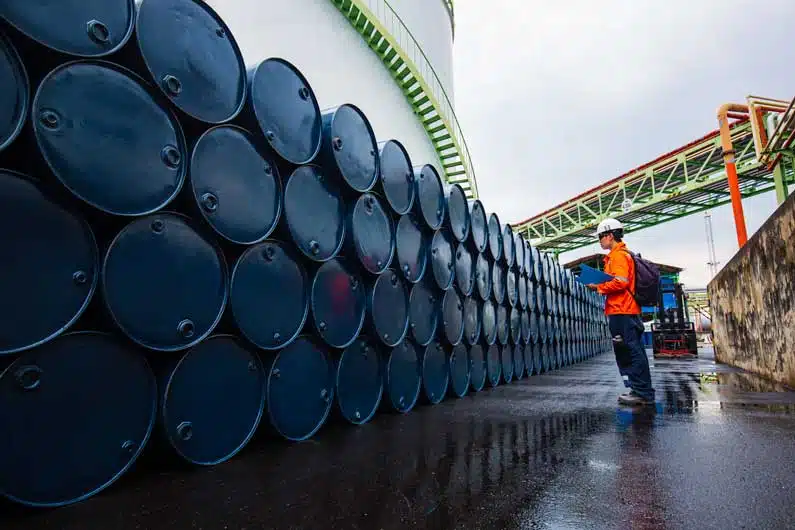
Heavy machinery on this lane spans oilfield and energy equipment, industrial and manufacturing machinery, generators and transformers, and construction gear such as excavators and cranes. Each machine carries its own weight, height, and handling profile, so the trailer, the tie-down plan, and the route follow from the cargo. Knowing the equipment up front, its dimensions, weight, and lift points, keeps a long cross-country move on schedule.
Permits and Route Across Many States
A cross-country move is a permit exercise as much as a driving one. An oversized or overweight load needs a separate oversize or overweight permit in each state on the route, and several require pilot cars or police escorts and limit travel to daylight hours. We pull the permits state by state, survey the route for low bridges, construction zones, and weekend and curfew restrictions, and plan around the limits so the load keeps moving rather than stalling at a state line. A licensed customs broker handles documentation for any import or export leg.
Truck or Ocean to the Northeast
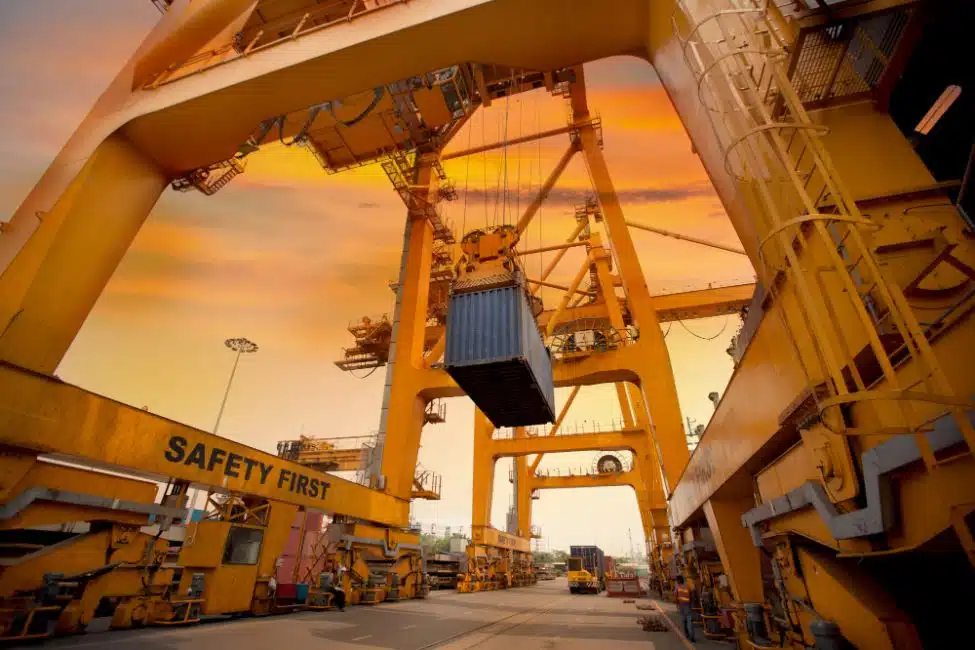
Trucking gives door-to-door delivery and the tightest schedule control, and for a single machine or an urgent piece it is usually the right call. For heavy or oversized cargo that is not time-critical, coastal ocean freight from the Gulf to a Northeast port can carry the weight at a lower cost per ton, with a short truck leg at each end. We weigh the two against your timeline and budget and run whichever fits.
Load, Transport, and Delivery
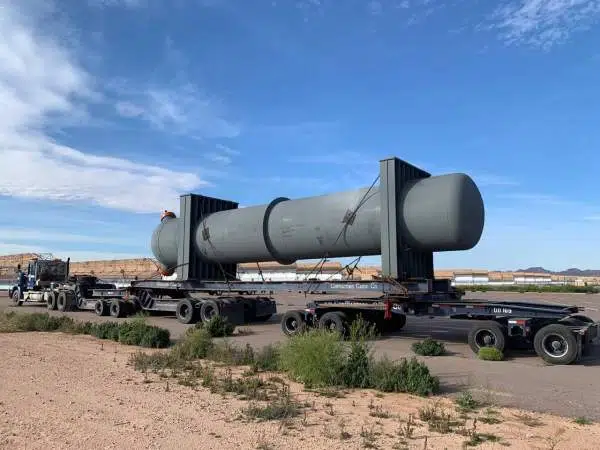
Flatbed and step-deck trailers carry smaller machines and skids, a lowboy or RGN handles tall or heavy equipment, and specialized multi-axle carriers take extreme weights and long wheelbases, all backed by heavy-haul trucking. We protect the load with engineered packing and securement, track it by GPS the whole way, and run a final inspection on arrival in Philadelphia, documenting any variance and backing it with cargo insurance.
Book Your Houston to Philadelphia Move
Texas International Freight moves industrial machinery, energy equipment, and oversized cargo between Houston and Philadelphia by road or ocean, with multi-state permits handled end to end. Send us the make, dimensions, weight, and delivery point, and we return a plan and a rate.
Contact Information:
- Phone: +1 877-489-9184
- Email: ship@txintlfreight.com
- Address: 11511 Katy Fwy #320, Houston, TX 77079
- Web Form: Request a Quote
Connect With Us:
How long does trucking from Houston to Philadelphia take?
The run covers roughly 1,500 miles, so a standard load takes about three to four days depending on hours and routing. An oversized or overweight piece takes longer because permit conditions across multiple states can limit travel to daylight hours and restrict weekends. We build that window into the delivery date.
How many permits does the Houston to Philadelphia lane need?
An over-limit load needs a separate oversize or overweight permit in each state it crosses, and several states require escorts. We pull every permit on the route and plan around the limits so the move does not stall at a state line.
Should I ship by truck or by ocean to the Northeast?
Trucking gives door-to-door delivery and the tightest schedule, which suits a single machine or an urgent piece. For heavy or non-urgent cargo, coastal ocean freight from the Gulf to a Northeast port can cost less per ton, with a short truck leg at each end. We compare both for your shipment.
What equipment moves most on this lane?
Oilfield and energy equipment, industrial and manufacturing machinery, generators and transformers, and construction gear such as excavators and cranes. If it is heavy or oversized and bound for the Northeast, we have a trailer or a vessel and a route for it.
How do you protect equipment on a cross-country haul?
With a documented pre-trip inspection, engineered packing and securement, GPS tracking the whole way, and a final inspection at delivery, backed by cargo insurance if a claim is ever needed.