Heavy Machinery Transport to the Port of Vancouver, USA
Transport to Vancouver, USA means moving machinery to the Columbia River port in Washington State, not its Canadian namesake, and the distinction matters: this port has built its business on heavy and project cargo. Texas International Freight moves oil and gas, wind energy, construction, project, and forestry equipment to the Port of Vancouver for export worldwide. What is your machine, and where is it sailing?Why the Port of Vancouver, USA
The Port of Vancouver sits on the north bank of the Columbia River with deepwater terminals, rail, and highway access that suit oversized cargo:- Over 800 acres of cargo-handling property, sized for wind turbines, oil rig components, and construction and forestry machinery
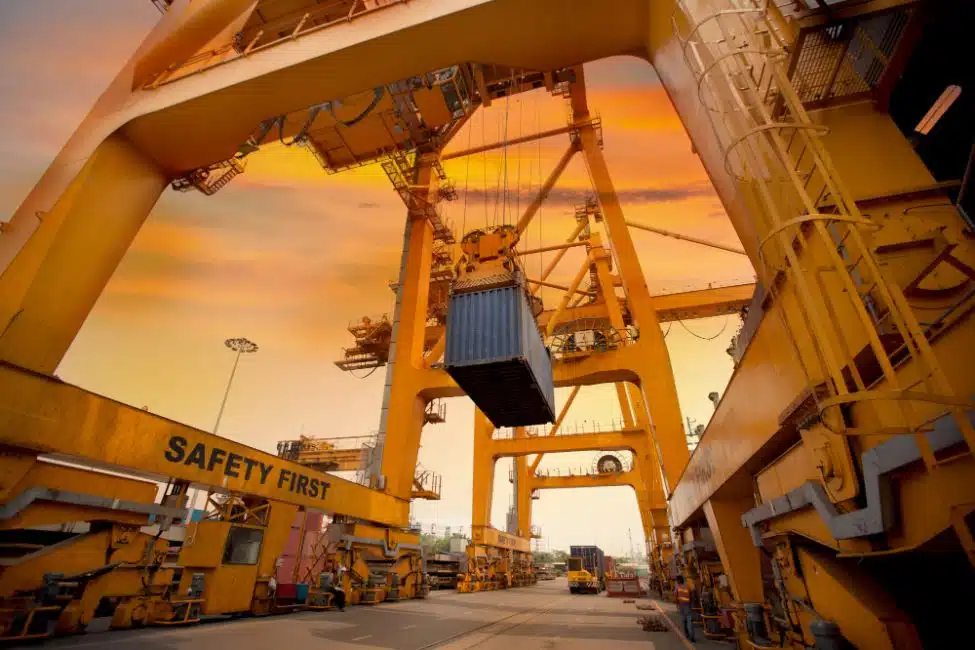
- Heavy-lift capability with cranes rated to 140 metric tons
- Pacific access to Asian markets such as Singapore and Indonesia, plus Australia
- Class 1 railroad and major highway connections for the inland legs
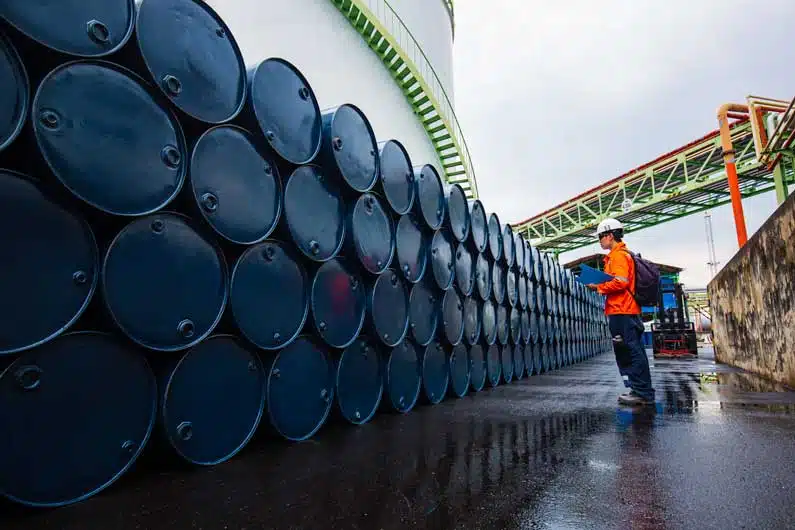
Oil and Gas Machinery

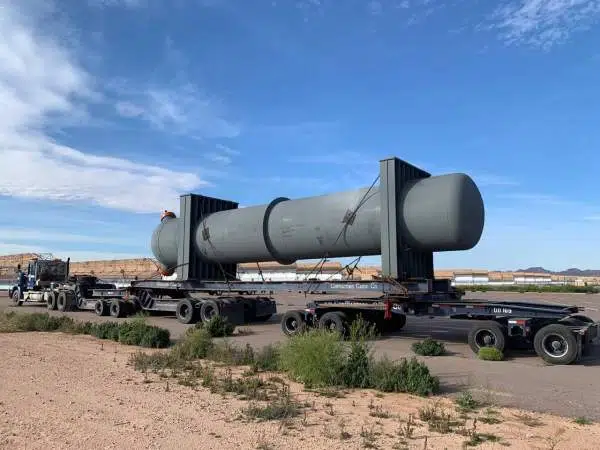
Wind Energy Components

Construction Equipment
Project deadlines drive construction freight. We move excavators and bulldozers, crawler cranes and backhoes, asphalt pavers, rollers, trenchers, and loaders, with the West Coast position cutting sailing time to Asia and the Middle East.Project Cargo

Forestry and Agricultural Machinery

How We Run the Move

Book Your Transport to Vancouver
Texas International Freight moves oil and gas, wind, construction, project, and forestry machinery to the Port of Vancouver, USA and onward worldwide. Send us the dimensions, weight, and destination, and we return a routing and a quote.Contact Information:- Phone: +1 877-489-9184
- Email: ship@txintlfreight.com
- Address: 11511 Katy Fwy #320, Houston, TX 77079
- Web Form: Request a Quote
Is the Port of Vancouver in the US or Canada?
Both exist. This page covers the Port of Vancouver, USA, on the Columbia River in Washington State, a heavy-cargo and project-cargo port distinct from Vancouver, British Columbia in Canada.
What machinery ships through Vancouver, WA?
Drilling rigs, compressors, wind turbine blades and nacelles, transformers, bulldozers, crawler cranes, logging machines, and combine harvesters: the port’s 140-metric-ton crane capacity and laydown acreage exist for exactly this freight.
Which export markets does the port serve best?
Pacific lanes: Asian destinations such as Singapore and Indonesia, plus Australia. Sailing from the West Coast cuts transit time versus a Gulf or East Coast departure for those markets.
How does machinery reach the port from inland sites?
Permitted heavy haul trucking and Class 1 rail. The port’s rail and highway connections let multimodal moves switch between truck, rail, and vessel inside the terminal instead of at a separate yard.
Who handles permits and customs for the move?
Your forwarder. We file the state oversize permits, plan the route around bridge and tunnel limits, crate sensitive equipment, and prepare export clearance before the cargo reaches the port gate.