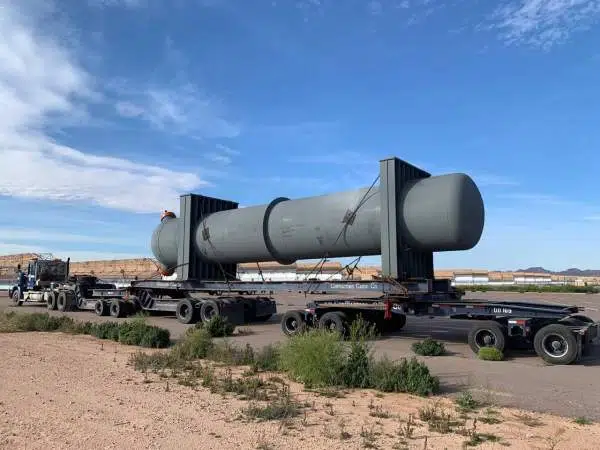
 Texas International Freight has an expansive network of contacts in the bulk vessel world. Besides break bulk ocean chartering, we charter tankers and bulk carriers for shipping bulk cargo of all kinds.
Our bulk operations can book vessels for crude oil, gasoline, LNG, iron and copper ores, biomass, steel products, and chemicals.
Our focus is vessel chartering for shipping bulk cargo worldwide, to and from any port, for bulk cargo of every type.
Details Needed to Ship Bulk Cargo
To quote and book a bulk shipment, we work from details such as:
- Port of origin
- Terminal at origin
- Port of destination
- Terminal at destination
- Commodity type or cargo description
- Shipping dates
- Quantity to be shipped (barrels, metric tons, or cubic meters)
- Density
- Loading means (conveyor, crane loading, pipe intake, and so on)
- Loading and unloading rates per day or per hour at both origin and destination
Why Use Texas International Freight for Shipping Bulk Cargo
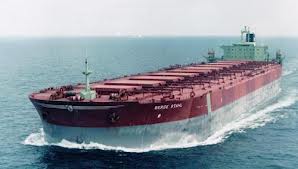 Texas International Freight looks for bulk shipping work where we can add real value to the transport service we provide.
Our team brings deep knowledge of commodities, cargo handling, port operations, vessel requirements, and the delivery schedules our customers depend on.
Vessel sizes range from Handy, Handy-Max, and Supra-Max through Panamax and Capesize, carrying minor and major bulk cargoes. Our debt-free, liquid financial position adds to our reliability.
We give customers dependable, flexible service, with room for schedule changes and different pricing options. As bulk cargo industries grow, our worldwide connections with a wide range of bulk carriers let us meet customer demands with confidence and skill.
Payment Terms for Bulk Cargo Shipping
Given the financial risk in global commodity trades, our bulk services are payable on delivery. We are a Houston-based freight forwarder, not a lender, so we do not finance cargo on behalf of shippers or buyers.
Call or write us at 877-489-9184 if you have dry or wet bulk cargo to ship, cost, or quote.
Frequently Asked Questions
What is bulk cargo?
Bulk cargo is unpackaged, loose cargo transported in large quantities. Examples include grain, coal, ore, chemicals, and liquids.
How is bulk cargo typically shipped?
Bulk cargo moves in bulk carriers, specialized ships built to carry large quantities of loose cargo. These ships are often very large, with a sizable hold where the cargo is stored.
What are the advantages of shipping bulk cargo?
Shipping in bulk can cost less than shipping packaged goods, since it removes the need for packaging and much of the handling. Bulk cargo also loads and unloads faster than packaged goods, which saves time and money.
What challenges come with shipping bulk cargo?
A main challenge is the risk of damage in transit, since bulk cargo can shift or settle and damage itself or be lost. Proper loading and securing matters, as poor stowage can also cause damage.
How is bulk cargo loaded and unloaded from a ship?
Bulk cargo is loaded and unloaded with specialized equipment such as cranes or conveyor belts, and it is often poured or dumped into the hold through a hopper or chute.
What regulations govern the transport of bulk cargo?
Bulk cargo transport follows international rules such as the International Maritime Organization’s Convention for the Safety of Life at Sea (SOLAS), covering stowage and securing, the handling of dangerous goods, and pollution prevention.
What environmental concerns apply to bulk cargo transport?
Bulk transport can carry environmental risk, from spills or leaks of hazardous materials to ship emissions that add to air pollution. Rules such as the International Convention for the Prevention of Pollution from Ships (MARPOL) exist to address these issues.