
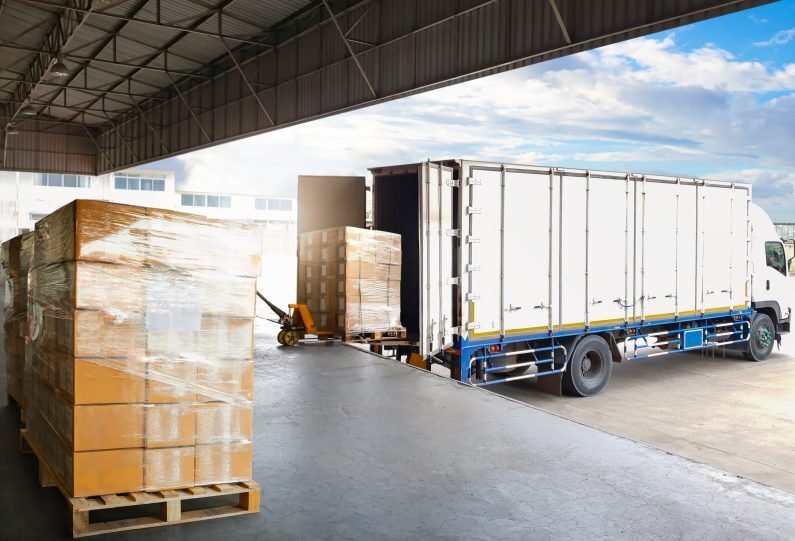
Cost-Effective Freight Solutions for Smaller Cargo Loads
Do you ship construction equipment that fills half a trailer? LTL freight might save you thousands compared to booking an entire truck. Less Than Truckload shipping allows multiple shippers to share trailer space, paying only for what they use.
Your breakbulk cargo does not always require a full 53-foot trailer. When shipping mining equipment, agricultural machinery, or oil field components that weigh between 150 and 15,000 pounds, LTL offers the perfect middle ground between parcel shipping and full truckload services.
What Makes LTL Different from Full Truckload Shipping
Full truckload (FTL) services dedicate an entire trailer to one shipper. You pay for the whole truck regardless of how much space your cargo occupies. LTL carriers consolidate shipments from multiple businesses traveling similar routes.
Think of it like carpooling for freight. A carrier picks up drilling equipment from Houston, loads agricultural machinery in San Antonio, and adds construction materials in Dallas before heading to their final destinations. Each shipper pays proportionally based on weight, dimensions, and freight class.
Your shipment moves through a hub-and-spoke network. Carriers collect freight at origin terminals, sort cargo by destination at regional hubs, then deliver to final locations. This system creates cost efficiencies that would not exist with dedicated trucks and complements broader trucking freight strategies.
When Should You Choose LTL Shipping
Select LTL when your cargo weighs less than 15,000 pounds and occupies fewer than 12 linear feet of trailer space. Companies shipping heavy machinery parts, oil rig components, or construction equipment benefit most from these services.
Your timeline matters. LTL shipments take longer than FTL because of multiple stops and terminal transfers. A direct FTL shipment from Houston to Toronto takes 30 hours. The same route via LTL might require 4–6 days due to consolidation and sorting.
Cost savings justify the extra transit time for many shippers. A full truckload from Texas to Canada costs $3,500–$4,500. Shipping 8,000 pounds of mining equipment via LTL might cost $1,200–$1,800.
Understanding LTL Freight Classifications
Carriers assign your shipment a freight class between 50 and 500. The National Motor Freight Traffic Association establishes these classifications based on four factors: density, stowability, handling requirements, and liability risk.
Dense items like steel beams or compact machinery typically fall into lower classes (50–85), resulting in cheaper rates. Agricultural equipment with irregular shapes might receive higher classifications (125–175) due to handling complexity and space requirements.
Your freight class directly impacts pricing. A 5,000-pound shipment classified as Class 85 costs significantly less than the same weight at Class 150. Accurate measurements and proper classification prevent reweighs and additional charges.
Calculating LTL Shipping Costs
Carriers calculate rates using your freight’s weight, dimensions, class, origin, and destination. Base rates start with cents per hundredweight (CWT), then adjust for distance and accessorial charges.
Accessorial fees add up quickly. Residential delivery, liftgate service, inside delivery, and limited access locations incur extra charges. Shipping construction equipment to a remote oil field in West Texas? Expect limited access fees ranging from $75 to $300.
Freight All Kinds (FAK) agreements benefit regular shippers. These contracts establish fixed rates regardless of actual freight class, simplifying budgeting for companies shipping energy sector equipment or mining machinery monthly.
Preparing Your Cargo for LTL Transport
Proper packaging protects your equipment during multiple handling points. LTL shipments get loaded, unloaded, and sorted several times between origin and destination. Secure heavy machinery to pallets using industrial shrink wrap and steel banding, and consider professional export packing for added protection.
Standard pallets (48″ x 40″) stack efficiently in trailers. Oversized agricultural equipment or oil field components require custom crating. Your packaging must withstand forklift handling at each terminal.
Documentation accuracy prevents delays. Bills of lading must include precise weight, dimensions, freight class, and special handling instructions. Incomplete paperwork leads to reweighs, reclassifications, and additional fees.
LTL Services for Cross-Border Shipments
Shipping construction materials to Mexico or drilling equipment to Canada requires specialized LTL carriers with customs expertise. Cross-border shipments involve additional documentation: commercial invoices, USMCA certificates, and customs bonds.
Your carrier should handle customs clearance at border crossings. Delays at Laredo or Detroit cost time and money. Experienced freight forwarders and a dedicated customs broker streamline the process, ensuring mining equipment or energy sector machinery clears customs efficiently.
Transit times increase for international LTL. A domestic shipment from Houston to Chicago takes 2–3 days. The same distance to Monterrey, Mexico might require 5–7 days due to customs processing.
Technology and Tracking in Modern LTL
Real-time tracking systems let you monitor agricultural equipment or construction machinery throughout transit. GPS-enabled trailers provide location updates at each terminal and during line haul movements.
Your visibility extends beyond location. Advanced tracking shows estimated delivery times, terminal processing status, and potential delays. This transparency helps coordinate receiving crews at job sites or distribution centers.
Digital freight platforms connect shippers with carriers instantly. Upload shipment details, receive quotes from multiple carriers, and book LTL services online. These platforms work particularly well for recurring shipments to Canada or Mexico.
Common Challenges with LTL Shipping
Freight damage occurs more frequently with LTL than FTL due to multiple handling points. Heavy equipment, drilling components, and agricultural machinery face greater risk during loading and unloading at each terminal.
Carriers limit liability to $0.10–$0.50 per pound unless you purchase additional insurance. A $50,000 piece of mining equipment weighing 8,000 pounds receives only $800–$4,000 in carrier liability coverage. Declare full value and pay extra premium to protect high-value cargo, and consider dedicated cargo insurance for critical shipments.
Delivery appointment requirements create scheduling challenges. Carriers typically offer delivery windows rather than exact times. Construction sites or energy facilities with strict security protocols need advance coordination.
Choosing the Right LTL Carrier
National carriers like Old Dominion, XPO, and Estes operate extensive networks with consistent service. Regional carriers often provide better rates and more flexible service for specialized freight like oil field equipment or oversized machinery.
Your carrier selection depends on equipment type and destination. Shipping breakbulk cargo to remote drilling sites requires carriers with specialized equipment and experience navigating challenging locations. Standard LTL carriers might refuse delivery to these sites.
Service levels vary significantly. Economy LTL takes 5–10 business days. Guaranteed services deliver within 2–3 days at premium rates. Match service level to your project timeline and budget constraints.
LTL vs Alternative Shipping Methods
Partial truckload (PTL) fills the gap between LTL and FTL. PTL works when your cargo exceeds LTL size limits but does not fill an entire trailer. Shipping 12 pallets of construction equipment? PTL might offer better rates than LTL without the cost of full truckload.
Intermodal shipping combines rail and truck transport for long distances. Your agricultural machinery travels by rail from Houston to Chicago, then transfers to a truck for final delivery. Intermodal costs less than over-the-road LTL but takes longer.
Volume LTL programs benefit shippers moving consistent freight. Commit to minimum monthly volumes and receive discounted rates. Companies regularly shipping mining equipment or energy sector machinery should negotiate volume agreements.
Future Trends in LTL Shipping
Automation transforms terminal operations. Robotic sorting systems and automated guided vehicles speed cargo handling, reducing damage and improving efficiency. These technologies particularly benefit heavy equipment and machinery shipments requiring careful handling.
Capacity constraints drive rate increases. Driver shortages and equipment limitations create tight capacity, especially during peak seasons. Book space early when shipping construction equipment or agricultural machinery during harvest or building seasons.
Sustainability initiatives reshape carrier operations. Electric and natural gas trucks reduce emissions. Carriers optimize routes to minimize empty miles. These efforts appeal to energy companies and construction firms with environmental commitments.
Expert LTL Solutions for Your Freight Needs
Texas International Freight specializes in LTL shipping for heavy machinery, construction equipment, and oil field components. Our carrier network ensures reliable service whether you’re shipping mining equipment domestically or moving drilling tools to Canada or Mexico.
Contact Information:
- Phone: +1 877-489-9184
- Email: sh**@***********ht.com
- Address: 11511 Katy Fwy #320, Houston, TX 77079
- Web Form: Request a Quote
Connect With Us:
How much does LTL shipping cost compared to full truckload?
LTL typically costs 40–60% less than FTL for shipments under 15,000 pounds. A full truckload from Houston to Chicago costs $2,500–$3,500, while 8,000 pounds of mining equipment via LTL runs $900–$1,400. Your actual costs depend on freight class, dimensions, and accessorial services. Dense cargo like steel components receives lower rates than irregularly shaped agricultural equipment. Request quotes from multiple carriers or work with a specialist such as Texas International Freight to compare pricing for your specific construction machinery or oil field components.
What freight class should I use for heavy machinery shipments?
Heavy machinery typically falls into freight classes 70–125 depending on density and dimensions. Compact construction equipment with high density (over 30 pounds per cubic foot) qualifies for Class 70–85. Larger agricultural equipment or drilling components with lower density might classify as 100–125. Misclassification leads to reweighs and additional charges. Measure your cargo carefully: multiply length × width × height in inches, divide by 1,728 to get cubic feet, then divide weight by cubic feet for density. Carriers verify classifications at terminals, so accuracy matters.
Can LTL carriers handle oversized oil field equipment?
Standard LTL services accommodate cargo up to 12 linear feet and 15,000 pounds. Larger oil rig components, drilling equipment, or energy sector machinery require specialized carriers offering volume LTL or partial truckload services. Oversized cargo might need flatbed trailers rather than enclosed vans. Contact freight specialists experienced with oil and gas logistics to arrange proper transportation. Many LTL carriers refuse oversized shipments, so identify capable carriers before booking. Texas International Freight coordinates specialized equipment transport for oil and gas sector clients across North America.
How long does LTL shipping take from Texas to Canada?
LTL shipments from Texas to Canada typically require 5–8 business days including customs clearance. Houston to Toronto takes 5–6 days, while destinations like Calgary or Vancouver need 7–8 days due to distance. Customs processing at border crossings adds 1–2 days. Your construction equipment or mining machinery stops at origin terminal (day 1), moves to border hub (day 2–3), clears customs (day 3–4), then delivers to final destination (day 5–6). Expedited services reduce transit to 3–4 days at higher cost. Always factor customs documentation time when planning international shipments or use an experienced customs broker.
What insurance coverage do I need for LTL freight?
Carrier liability covers only $0.10–$0.50 per pound under standard terms. A $100,000 piece of construction equipment weighing 10,000 pounds receives merely $1,000–$5,000 in carrier liability. Purchase declared value coverage for high-value cargo like agricultural machinery, drilling equipment, or energy sector components. Declared value insurance costs approximately 1–3% of your cargo’s worth. A $75,000 shipment might cost $750–$2,250 for full coverage. Your freight forwarder can arrange cargo insurance through specialized underwriters. Never ship valuable heavy equipment or oil field machinery without adequate protection given LTL’s multiple handling points.