
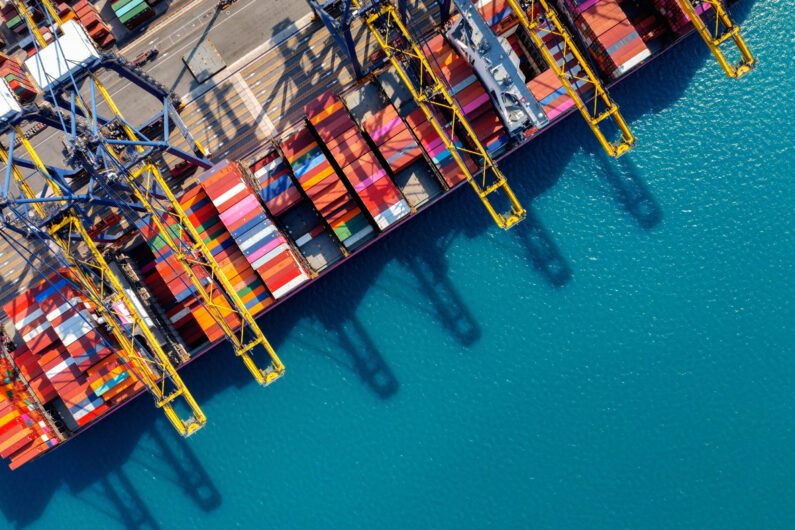
Freight terminals acts as hubs where cargo transfers or waits for delivery.
Understanding Port and Warehouse Facilities for Cargo Operations
Your mining equipment arrives at the Port of Houston. The vessel docks, cranes unload your cargo, and the machinery moves into a designated storage area. That facility is a freight terminal, the infrastructure that transfers cargo between ocean, rail, and trucking.
A freight terminal is a controlled transfer point where cargo is received, stored, processed, and released for the next leg. Terminals combine space, equipment, labor, security, and terminal operating systems to manage cargo flow. Strong terminal performance shortens dwell time and reduces avoidable storage charges.
Types of Freight Terminals
Port terminals handle ocean arrivals and departures. Container terminals use ship-to-shore cranes and yard equipment to move boxes from vessel to chassis or stacks. If you ship in containers, align the port leg with container shipping planning and post-release drayage under trucking freight.
Breakbulk terminals handle oversized cargo that cannot move in standard containers. Heavy-lift cranes, open yards, and rigging teams support machinery, steel, and project freight. If your load is out-of-gauge or heavy, start with breakbulk cargo and, when applicable, route it through ports of call for heavy equipment.
Truck terminals support LTL networks through cross-dock handling and consolidation. Multiple shippers’ freight is sorted and reloaded by destination. If you use this model, compare it with dedicated capacity and review LTL trucking before you finalize your plan.
Rail terminals transfer cargo between rail and truck. Intermodal terminals handle containers that move between rail ramps and highway drayage. A strong rail terminal reduces long-haul trucking exposure and supports predictable delivery windows.
Terminal Operations and Functions
Receiving is the intake process. Terminal teams verify cargo against manifests, record visible damage, confirm seals, and assign storage locations. If you need a clear baseline definition, use terminal operations as a reference point when aligning documents and release steps.
Storage holds cargo between discharge and pickup. Container yards stack by block, row, and tier for retrieval efficiency. Breakbulk yards use pads, cradles, and covered bays for sensitive equipment. If your shipment is industrial equipment, map the storage window into your inland plan, especially when moving mining equipment or oil and gas machinery.
Dispatch controls outbound flow. Terminal planners sequence equipment, labor, and gate appointments to avoid bottlenecks. Coordination with brokers and forwarders matters here, especially on project moves managed through project logistics.
Terminal Equipment and Technology
Ship-to-shore gantry cranes drive container productivity. They move containers between vessel and shore with anti-sway controls and monitored lift cycles to reduce incidents and maintain throughput.
RTGs and other yard cranes handle stacking and retrieval. Your container may sit multiple tiers deep until the terminal positions it for your truck appointment. If your cargo is tied to energy projects, connect this planning with drilling equipment freight forwarding.
Forklifts, reach stackers, and terminal tractors handle breakbulk and non-standard pieces. Heavy-capacity forklifts and lifting beams support irregular machinery that requires controlled pick points. If you move agricultural assets, see agricultural machinery shipping for comparable handling scenarios.
Terminal operating systems track locations, gate moves, appointments, and equipment assignments. Integration with carrier platforms and customs systems reduces paperwork errors and speeds cargo release.
Terminal Charges and Costs
Terminal handling charges cover labor and equipment used for discharge, yard moves, and basic processing. Oversized freight often triggers higher charges due to rigging, multiple picks, or special equipment. For budgeting context, use shipping costs as a planning checkpoint.
Storage applies once free time expires. Free time varies by terminal, carrier, and cargo type. After expiry, charges accrue daily until the cargo exits the facility.
Gate and appointment fees cover controlled access and congestion management. Reefer plug-in fees, special handling surcharges, and out-of-gauge charges can also apply. Tight documentation and accurate references reduce rework and avoidable terminal billing.
Terminal Access and Security
Port access is restricted, often requiring TWIC credentials and verified driver identities. Appointment systems control traffic flow and missed windows can push pickups out by days in peak periods.
Security screening includes gate checks, cameras, inspections, and seal verification. Documentation must match the physical cargo and the driver must arrive with correct booking and release references. On imports, this also depends on clearance sequencing through customs brokerage.
Terminal Performance and Efficiency
Dwell time measures how long cargo sits at the terminal. Lower dwell usually means fewer storage charges and faster inventory availability.
Truck turn time measures gate-in to gate-out duration. Long turn times raise trucking costs, reduce daily capacity, and increase missed appointment exposure. Strong gate discipline protects your inland budget, especially when you rely on trucking freight to meet downstream delivery windows.
Capacity pressure drives congestion. When terminals run hot, yard density rises, retrieval slows, and appointment availability tightens. For heavy and project freight, that risk is magnified because specialized cranes and labor become scheduling constraints.
Choosing Terminals for Equipment Shipments
Cargo type drives terminal choice. Oversized machinery needs heavy-lift capability, yard space, and experienced rigging. Sensitive equipment may require covered storage and controlled lifting procedures. Start route selection with ports of call for heavy equipment and align the inland plan with heavy equipment hauling.
Location influences inland cost and schedule risk. A closer port may reduce trucking miles, while a better-equipped terminal may reduce handling risk and rework. The best option balances vessel availability, terminal capability, and inland delivery constraints.
Terminal experience matters. Some facilities are optimized for containers but lack project cargo expertise. Others specialize in steel, machinery, and energy components. For energy freight, link terminal selection to Texas oil and gas logistics and the specific cargo profile you are moving.
Working with Terminal-Savvy Freight Forwarders
Texas International Freight coordinates terminal handling at Houston and other U.S. gateways. We manage release steps, appointments, and equipment planning for heavy machinery, mining equipment, and drilling components. We also align trucking, terminal operations, and documentation to reduce dwell time and prevent avoidable storage charges.
If you import from Canada, Mexico, or overseas, we build the terminal plan around clearance timing, gate rules, and inland execution so your cargo moves out of the yard without preventable delays.
Expert Terminal Coordination for Equipment Shipments
Texas International Freight manages terminal operations and cargo handling for heavy machinery and equipment. We help you choose the right port, the right terminal, and the right handling strategy for your specific shipment.
Contact Information:
- Phone: +1 877-489-9184
- Email: sh**@***********ht.com
- Address: 11511 Katy Fwy #320, Houston, TX 77079
- Web Form: Request Terminal Services
Can I pick up cargo directly from terminals?
Yes, but each terminal requires specific credentials, appointments, and release documents. Charges such as storage, demurrage, or terminal handling may need to be paid before release. A forwarder aligns documentation, clearance, and appointments so the truck does not arrive before the cargo is actually available.
How long can cargo stay at terminals before storage fees apply?
Free time depends on port rules, carrier terms, and cargo type. Once free time ends, daily storage or demurrage applies and can escalate quickly. Plan trucking and clearance in advance to avoid avoidable terminal billing.
What happens during terminal congestion?
Congestion increases dwell time, extends truck turn time, and reduces appointment availability. That can trigger missed pickups, rescheduled windows, and higher trucking costs. Proactive monitoring and flexible pickup planning reduce disruption.
Do all ports have terminals for oversized equipment?
No. Heavy-lift capability varies by port and by terminal. Oversized cargo requires suitable cranes, yard space, rigging teams, and safe handling procedures. Selecting the correct port and terminal is a core risk-control step for project cargo.
Can terminals handle customs inspections?
Yes. Terminals support customs and other agency exams, which can add handling steps and time in the yard. Accurate documentation and compliant packing reduce exam risk and speed the release process.