Project Logistics for Heavy and Oversized Engineering Cargo
Large engineering builds live or die on sequence. Steel beams, generators, and heavy machinery have to reach the site in the right order, at the right hour, or the whole schedule slips. Project logistics is the work that makes that sequence hold.
Texas International Freight plans and moves the cargo behind infrastructure, energy, and factory relocation projects across the United States and worldwide. You get the route, the permits, and the customs clearance handled as one plan.
Why Project Logistics Decides Engineering Outcomes
Engineering projects aren’t about stacking bricks or welding steel alone. The result depends on getting large steel beams on site exactly when crews need them, landing heavyweight machinery safely on schedule, and sequencing every delivery so the build keeps moving.
Miss that coordination and deadlines slip, budgets swell, and crews stand idle. Some teams manage that sequencing with custom logistics software that maps each delivery against the build schedule. Keeping the flow steady takes a freight forwarder that handles oversized cargo daily. Your heavy machinery logistics partner sets the critical path before the first component leaves the factory.
Engineering Projects That Depend on Project Logistics
Wind Farm Development
Building wind farms means transporting colossal turbine components: blades, towers, and nacelles. These parts need special handling for their size and weight, plus precise delivery scheduling to remote sites that often have limited access roads. A single blade can run past 50 meters and demands purpose-built trailers.
Airport Construction and Expansion
Building or enlarging an airport demands synchronized delivery of a vast range of materials, from runway asphalt to terminal supplies. The heavy-haul trucking behind these deliveries gets tight in active areas where space and timing are constrained.
Oil and Gas Pipeline Installation
Laying pipeline over long distances is a logistics-heavy operation. It calls for the coordinated movement of pipes, welding equipment, and construction crews across diverse and sometimes remote terrain, so each pipeline section finishes in sequence.
Large-Scale Manufacturing Plants
Standing up a manufacturing facility takes an ordered supply chain delivering machinery, equipment, and raw materials. Tight logistics speed the assembly and start-up of production lines, cutting downtime and shortening time to market. Bringing in breakbulk cargo like presses and reactors calls for load planning well ahead of the install date.
Hydropower Plant Construction
Constructing a hydropower plant, usually in a secluded location, means moving heavy machinery such as large turbines and generators, plus vast amounts of construction material, through challenging terrain. Landing each piece where and when crews need it keeps these builds on track.
Where the Complexity Lives
The hard part of project logistics sits in the details. Each project carries its own demands, from the geography of the site to the exact handling needs of the materials and equipment.
Moving a turbine blade for an offshore wind farm, or a sensitive piece of laboratory equipment for a research facility, takes careful handling plus working knowledge of international shipping regulations, local customs processes, and the best transport routes. One wrong assumption about a port or a road restriction stalls the load.
How Texas International Freight Plans Each Move
We know this complexity from years of moving project cargo. We don’t hand you a generic service; we build the plan around your project.
No two builds match, so we shape each solution to the exact cargo and route, from charting a shipping route that ducks weather delays to clearing international customs and lining up construction freight across trucking, ocean, and air. We also run cross-border project moves to Canada and Mexico for North American builds.
Project Cargo We Move
Consider a new oil refinery or a power plant expansion. These builds can’t absorb delays or mishaps. We move every component, from the smallest bolt to the largest boiler, on the schedule the project runs to.
Our project record spans the globe across energy, mining, and heavy industry, which is what it takes to manage complex, large-scale engineering cargo without surprises.
Staying Flexible When Plans Change
Engineering projects shift. Scope changes, weather turns, ports back up. Your logistics plan has to flex with the project it supports.
We adapt the route and mode quickly when conditions move, which keeps your project on track even when the unexpected hits and protects both your schedule and your budget.

Plan Your Next Project Move
Project logistics moves more than cargo from point A to point B; it keeps a build on schedule. Texas International Freight plans the route, secures the permits, and clears customs so your large-scale project stays on track from first component to final commissioning.
Tell us what you’re building and where. Call +1 877-489-9184, email ship@txintlfreight.com, or request a quote to start the plan.
Frequently Asked Questions
What counts as project cargo in engineering logistics?
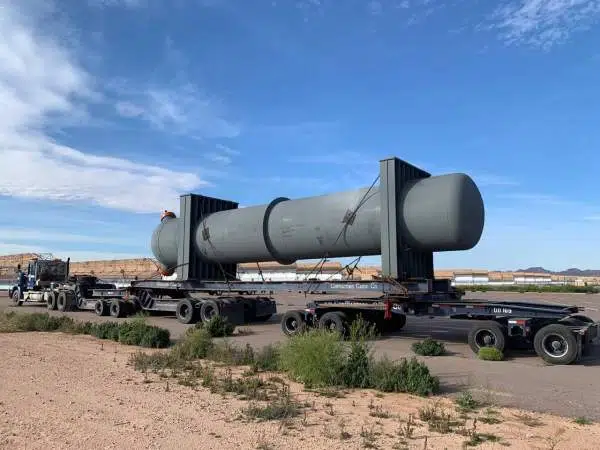
Project cargo covers oversized, heavy, or high-value components that move as part of a larger build: wind turbine blades and nacelles, pipeline sections, refinery boilers, plant presses, generators, and structural steel. These pieces need special trailers, load planning, and often breakbulk ocean space rather than standard containers. A 132,000-lb LNG tank or a 50-meter turbine blade ships as project cargo because no container holds it.
How far ahead should I book logistics for a large build?
Start the logistics plan as early as the procurement schedule. Breakbulk vessel space, heavy-haul permits, and escort arrangements all run on lead times measured in weeks, not days. For a manufacturing plant or refinery expansion, the route survey and critical-path analysis should begin before machinery leaves the factory, so port windows and road restrictions are locked in before cargo moves.
Can you handle cross-border project shipments to Canada and Mexico?
Yes. We run project moves across both northern and southern borders, coordinating trucking, customs clearance, and documentation for each jurisdiction. Construction machinery heading to a Canadian job site or oil and gas equipment bound for a Mexican facility moves under one plan, with the import declarations and transfer paperwork handled so the cargo doesn’t stall at the crossing.
Which transport modes do project logistics combine?
Most large builds use a mix. Trucking and heavy-haul move cargo inland to and from ports, ocean freight or breakbulk vessels carry it across long distances, and air freight covers urgent or high-value components. A turbine shipment might travel by specialized trailer to the Port of Houston, cross by breakbulk vessel, then move by heavy-haul truck to a remote wind farm. We sequence each leg so transfer points line up.
What happens when a project schedule changes mid-shipment?
Scope changes, weather, and port congestion all force adjustments. We reroute, switch modes, or stage cargo in warehousing when a site isn’t ready to receive it. Because we plan the critical path up front, we can shift one leg without unraveling the rest of the schedule, which protects your delivery dates and keeps storage and demurrage costs contained.