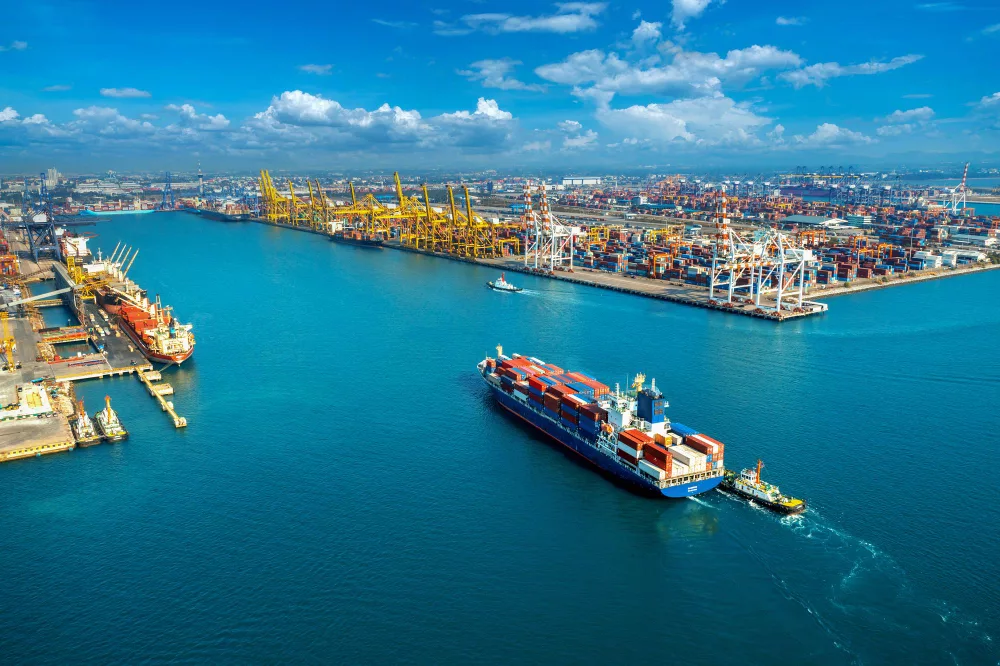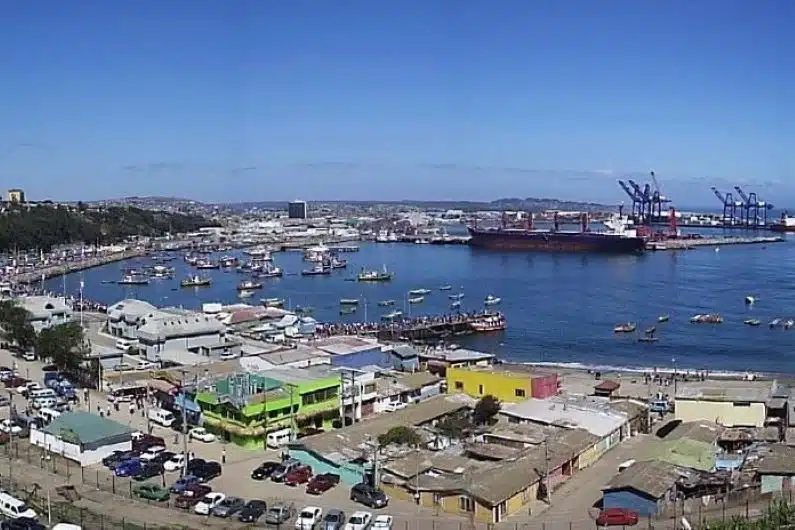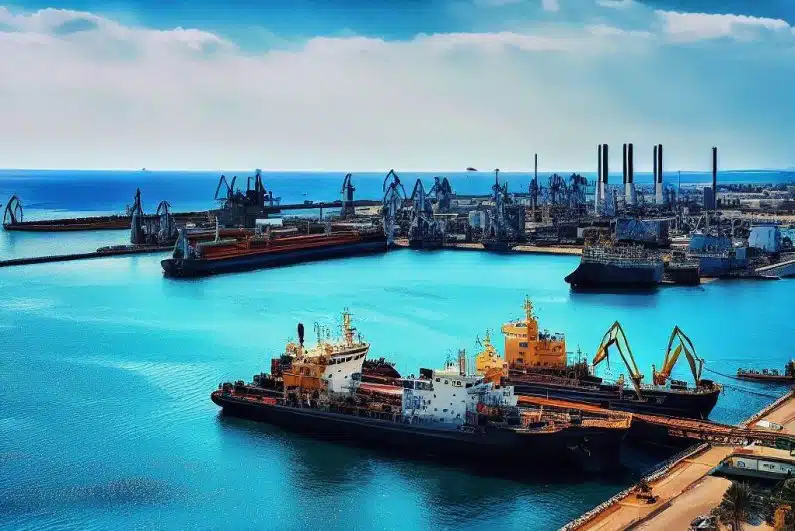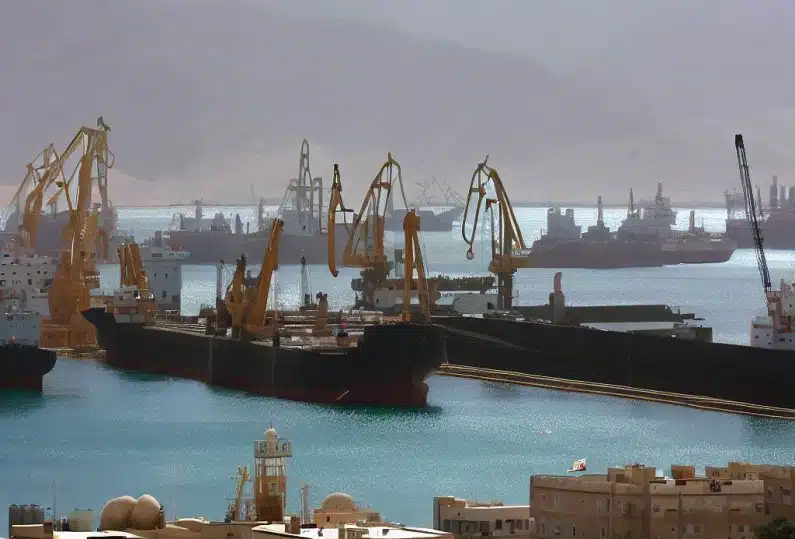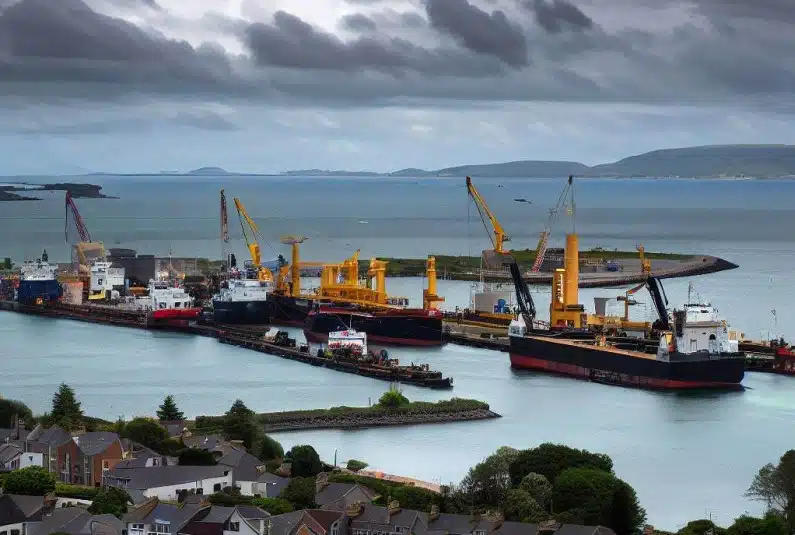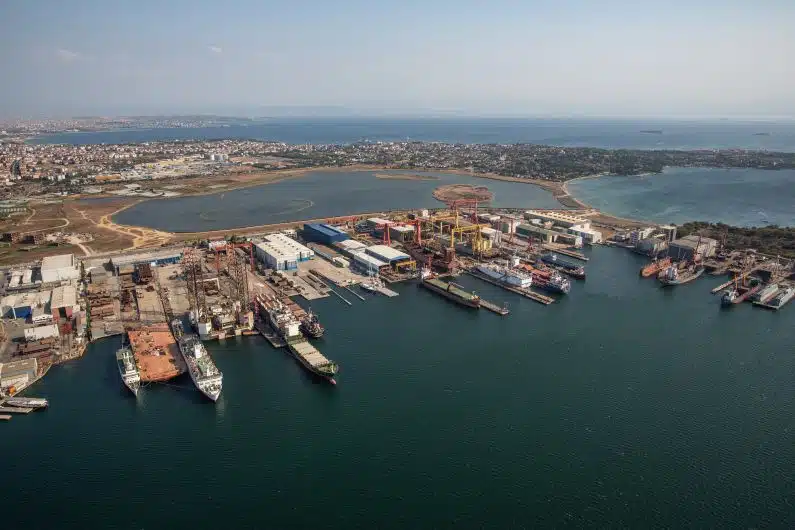

Shipping to Antofagasta, Chile plays a central role in industrial and extractive supply chains across South America. One of the country’s most important maritime gateways is the Port of Antofagasta, a critical entry point for mining equipment, energy infrastructure, and heavy machinery arriving from the United States.
Located on Chile’s northern Pacific coast, the port supports large-scale industrial imports and exports linked to mining, oil and gas, agriculture, and regional trade corridors serving inland markets. Shippers moving oversized loads often rely on oversized freight shipping planning and lift coordination well before cargo reaches the quay.
This article explains why shipping to Antofagasta is strategically important, which industries depend on the port, and how Texas International Freight’s international freight forwarding team manages complex logistics operations to this high-demand destination.
Shipping to Antofagasta Chile as a Strategic Logistics Hub
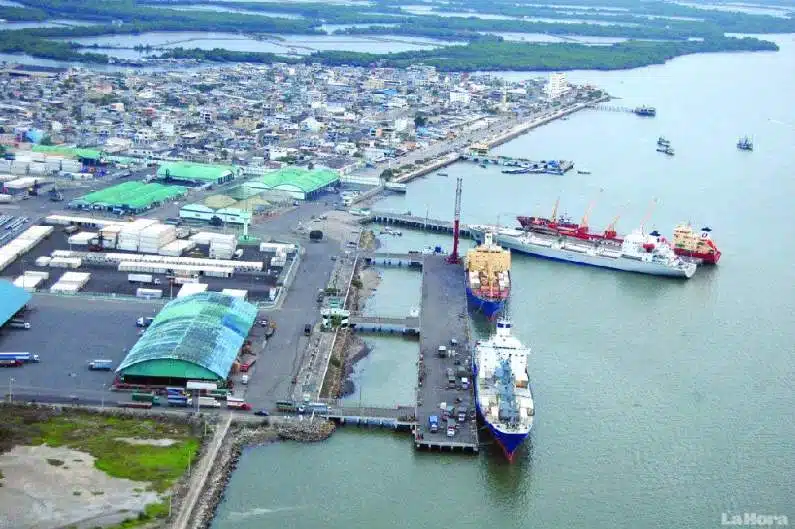
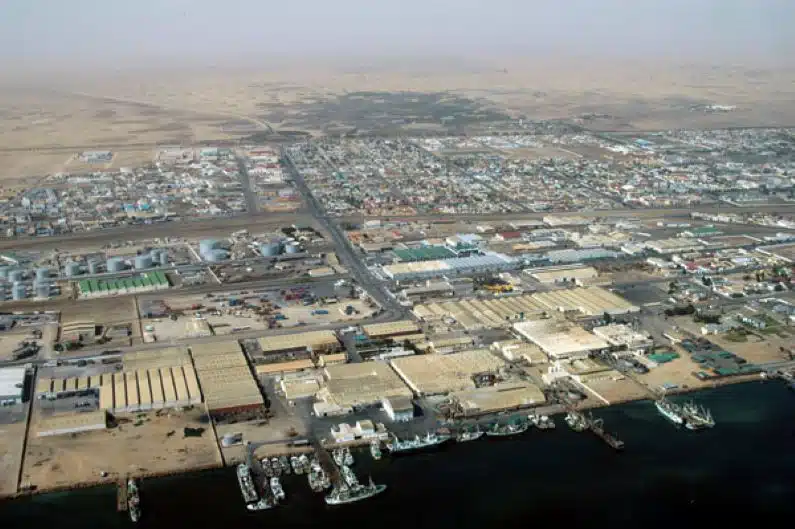
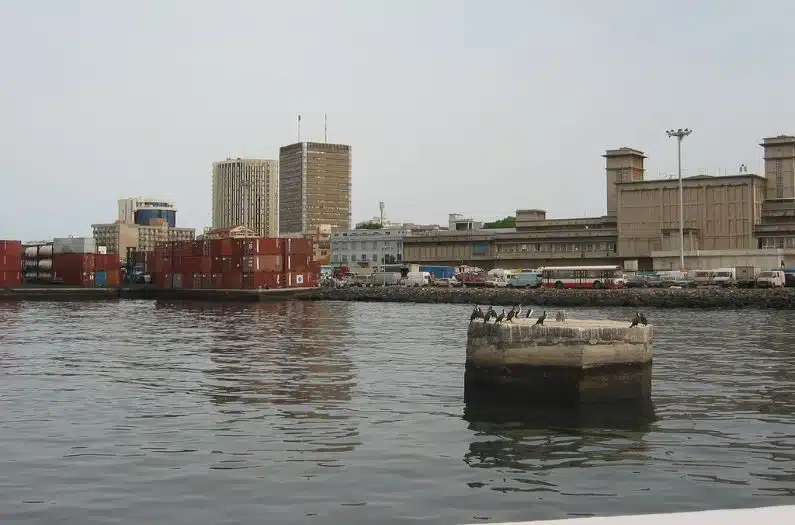
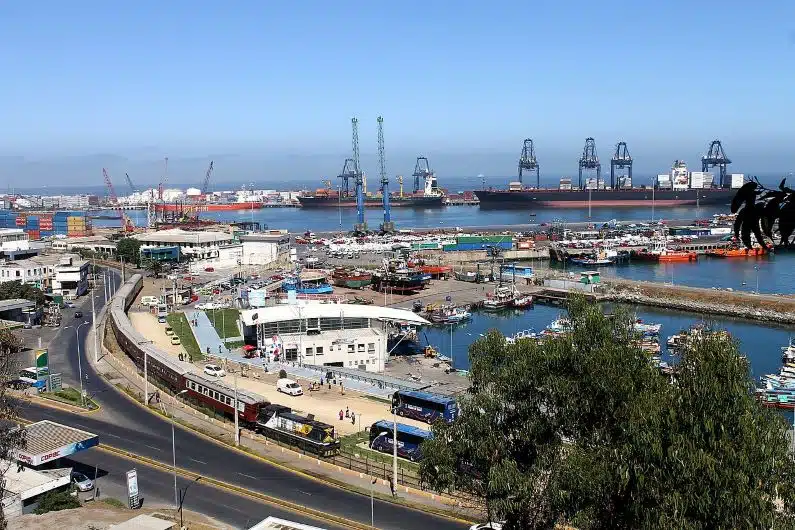
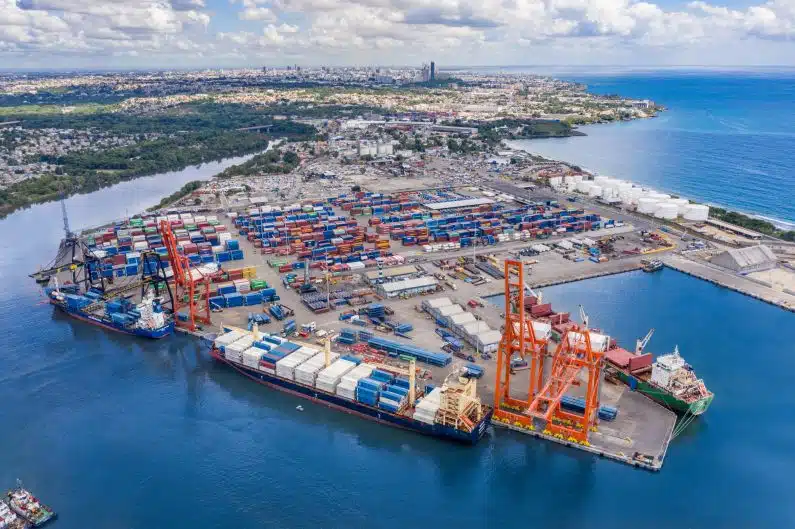
The Port of Antofagasta is located approximately 1,100 kilometres north of Santiago and functions as one of the most important commercial ports in northern Chile. Its geographic position makes it especially valuable for cargo serving mining operations and industrial projects located in remote desert regions.
Beyond domestic trade, the port also acts as a logistics corridor for neighbouring markets such as Bolivia and northern Argentina, where maritime access relies heavily on Chilean ports. Route selection often ties back to your origin gateway, which is why many shippers evaluate ports of call for heavy equipment before locking in vessel schedules.
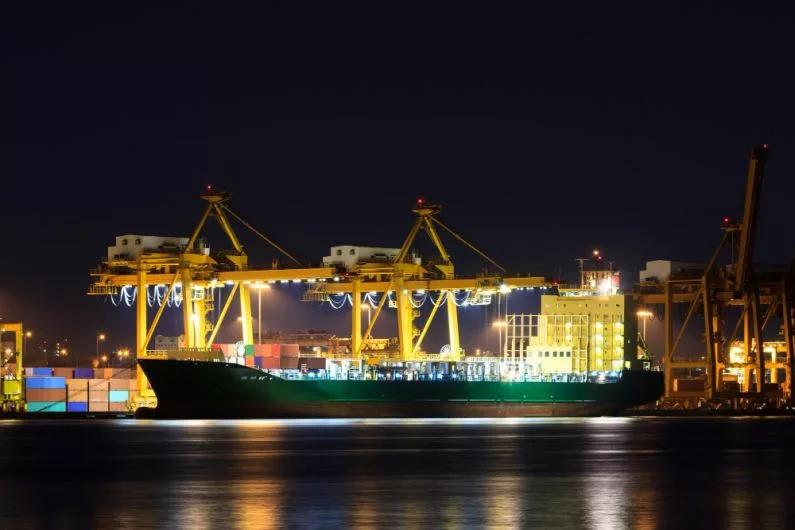
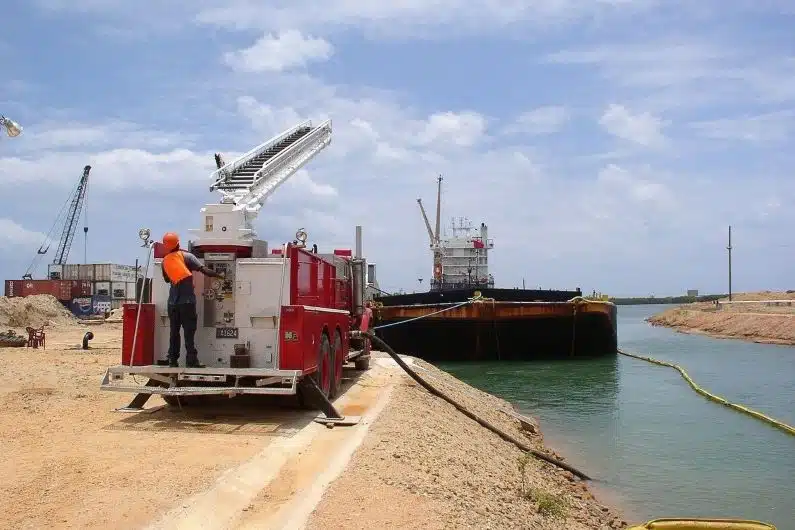
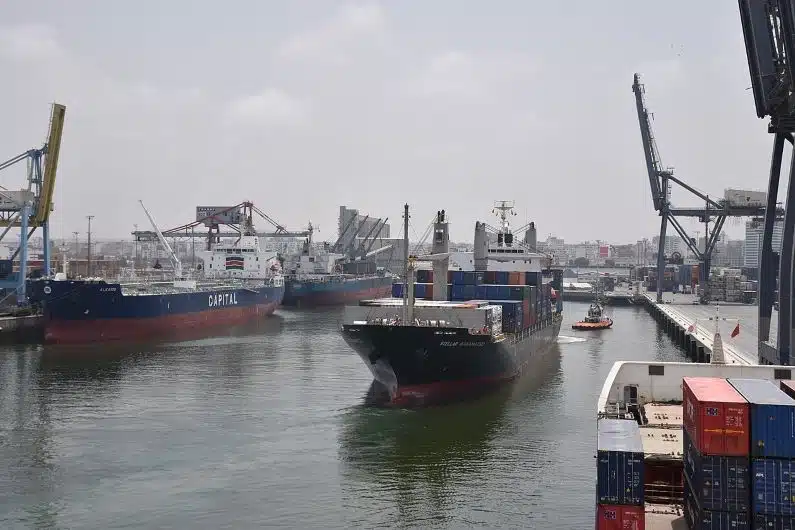
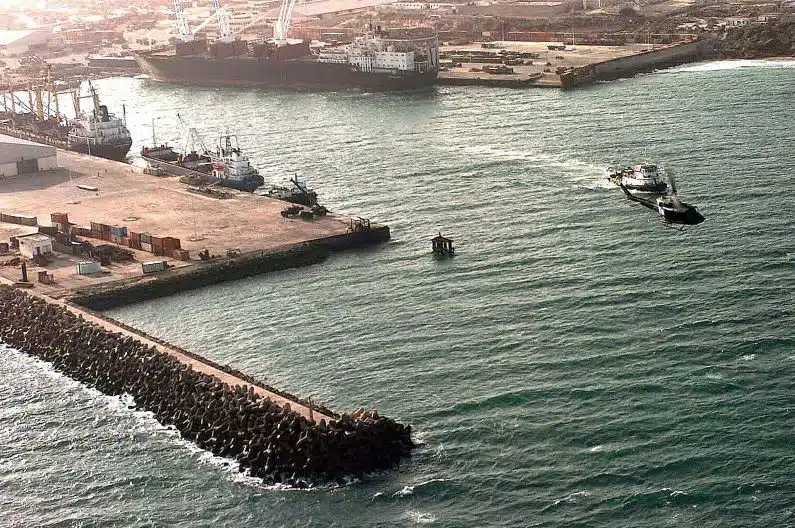
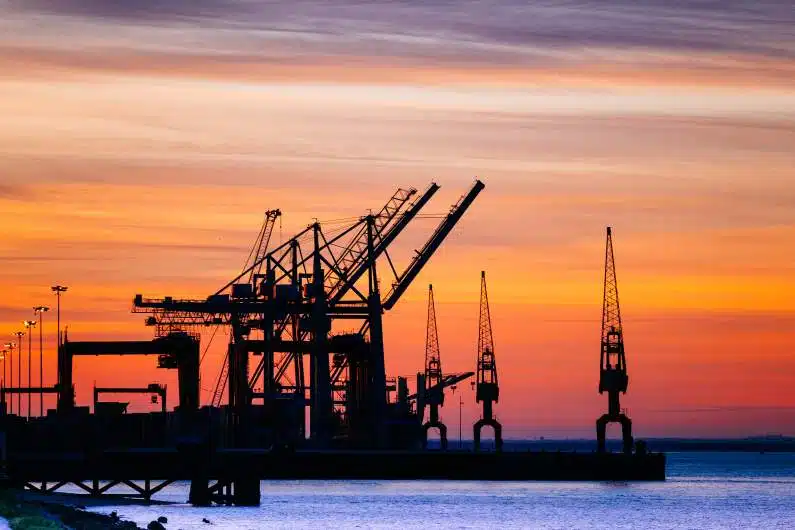
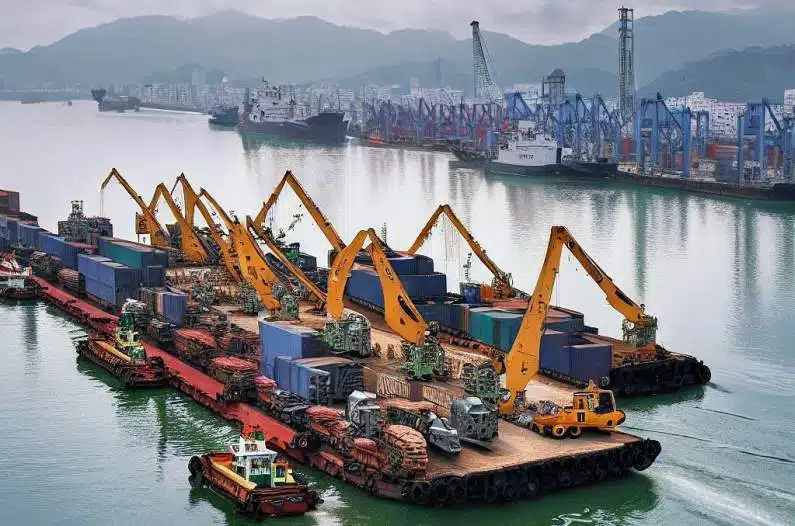
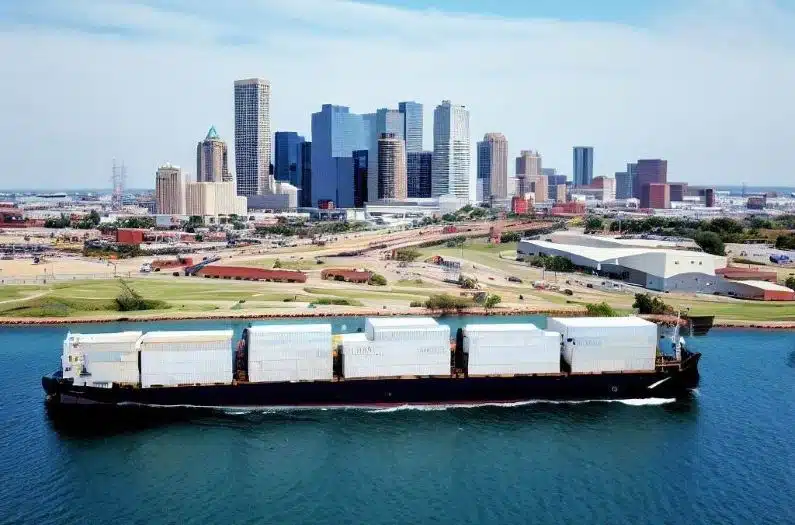
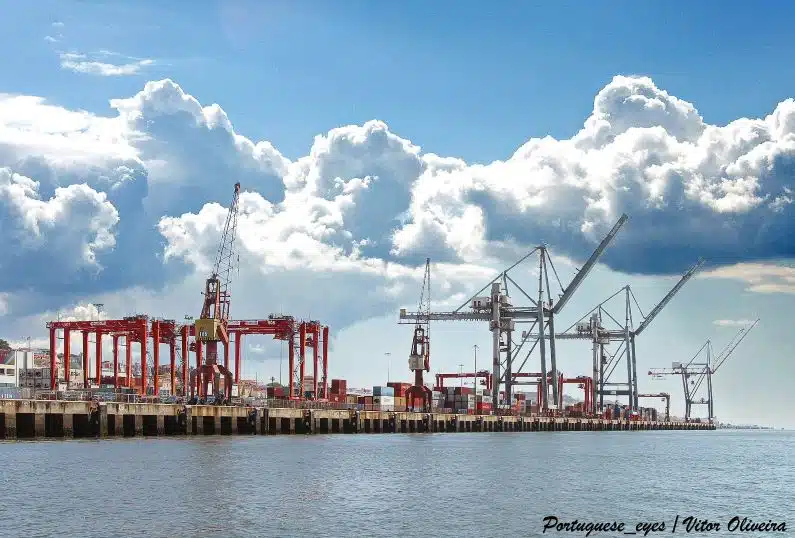
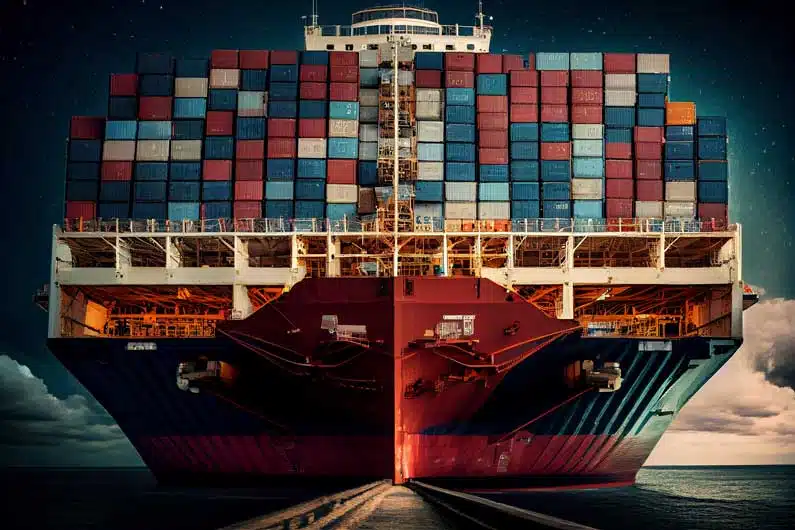
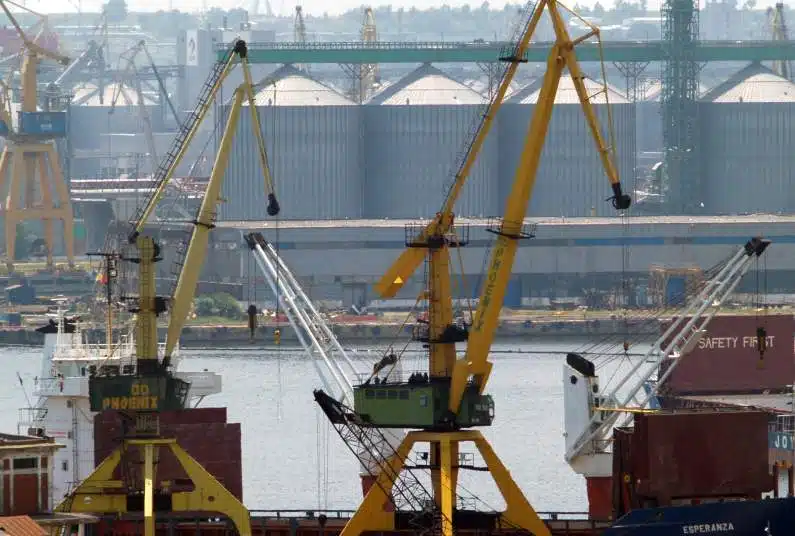
The harbour is purpose-built and well protected, with infrastructure capable of handling containerised cargo, bulk commodities, general cargo, and oversized project shipments. Cargo that cannot be boxed into standard containers may ship through breakbulk ocean freight or engineered lift plans linked to project logistics.
Industries Driving Cargo Volumes in Antofagasta
Mining and Mineral Processing
Antofagasta is globally recognised as one of the world’s most important mining regions. Copper extraction dominates the local economy, supported by large-scale operations throughout northern Chile.
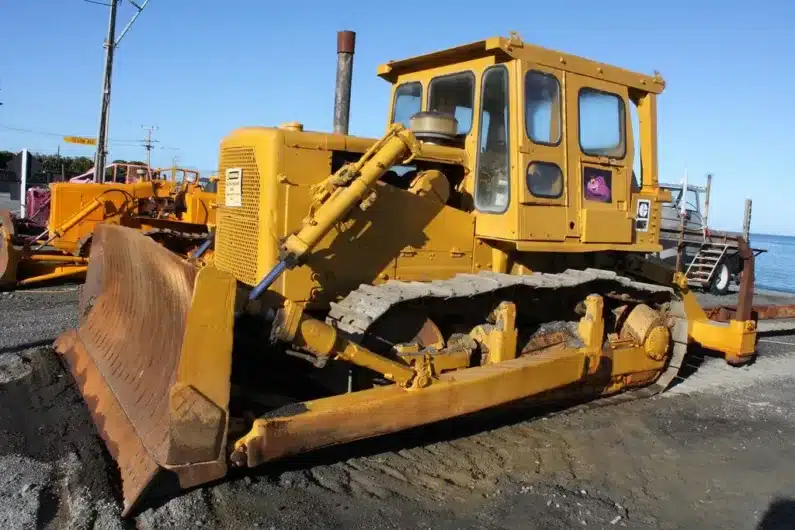
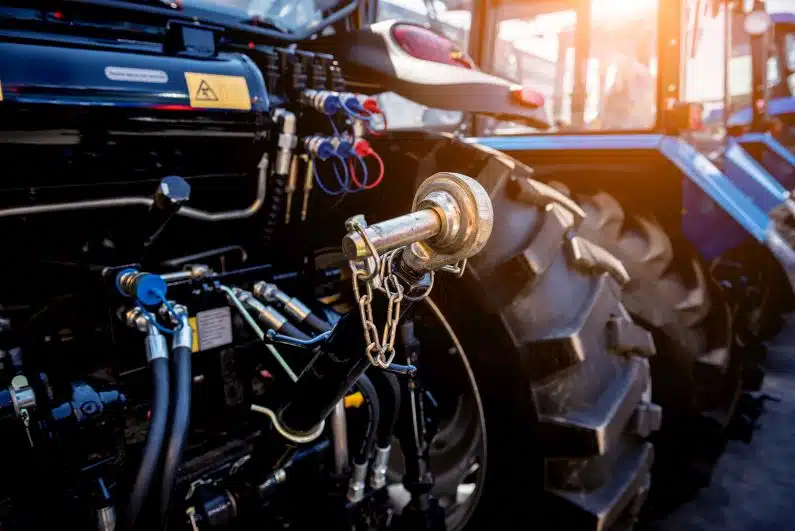
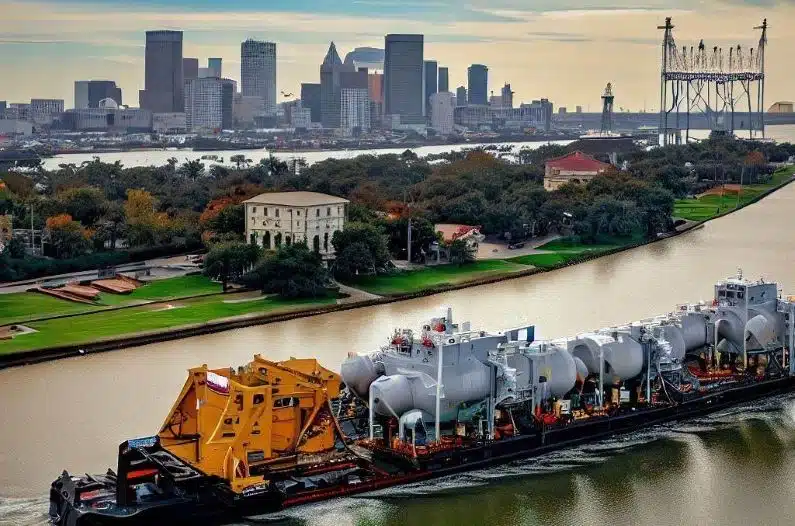
The port handles substantial volumes of copper concentrate, cathodes, and mining inputs. Imports frequently include crushers, conveyors, drilling rigs, flotation systems, and processing modules manufactured in the United States. These moves often require lift plans, lashing, and staging that align with ocean freight handling realities.
Oil, Gas, and Energy Infrastructure
The energy sector also relies on Antofagasta for inbound logistics. Heavy equipment used for power generation, fuel handling, and industrial energy projects regularly arrives through the port, sometimes under time pressure tied to outage windows or commissioning schedules.
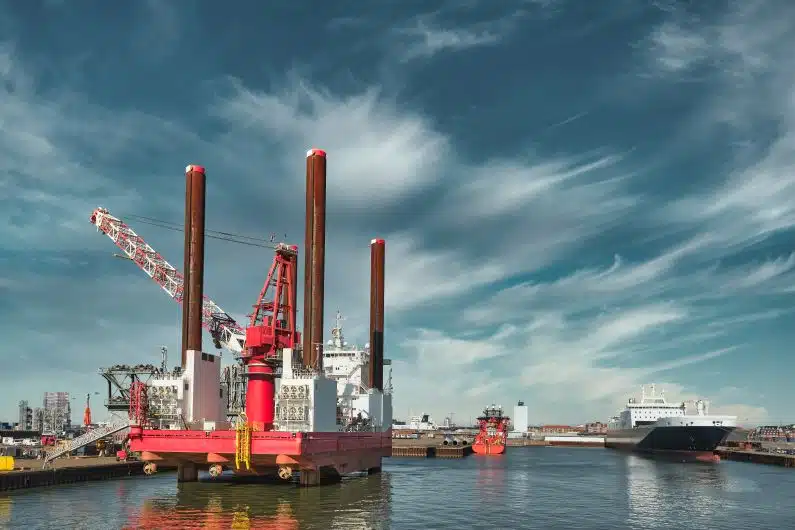
These shipments often involve oversized components, strict delivery windows, and coordinated inland transport to remote facilities. Vessel selection may include specialty options such as vessel charter when standard sailings do not match the project timeline.
Fishing and Agricultural Supply Chains
In addition to extractive industries, Antofagasta supports Chile’s fishing sector and regional agriculture. Imports of agricultural machinery and exports of seafood products contribute to a more diversified regional economy.
Shipping Heavy Machinery From the USA to Antofagasta
Transporting heavy machinery from the USA to Chile requires detailed coordination, particularly when the final destination lies beyond the port in mining zones or industrial areas.
Pre-Shipment Engineering and Planning
Each shipment begins with technical planning that accounts for cargo dimensions, weight distribution, lifting points, and transport constraints. Export controls, permits, and Chilean import requirements are addressed before cargo departs the United States, often alongside insurance decisions tied to the cargo value and route risk.
Many shippers protect high-value equipment with cargo insurance for international shipments, especially when the move involves multiple handoffs between port, terminal, and inland carriers.
Export Packing and Ocean Transport
Professional export packing protects machinery against corrosion, vibration, and handling stress during long-haul ocean transport.
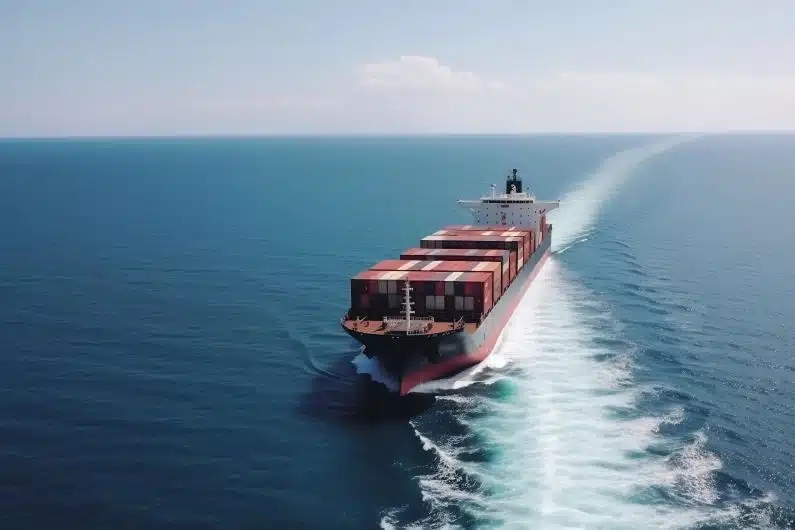
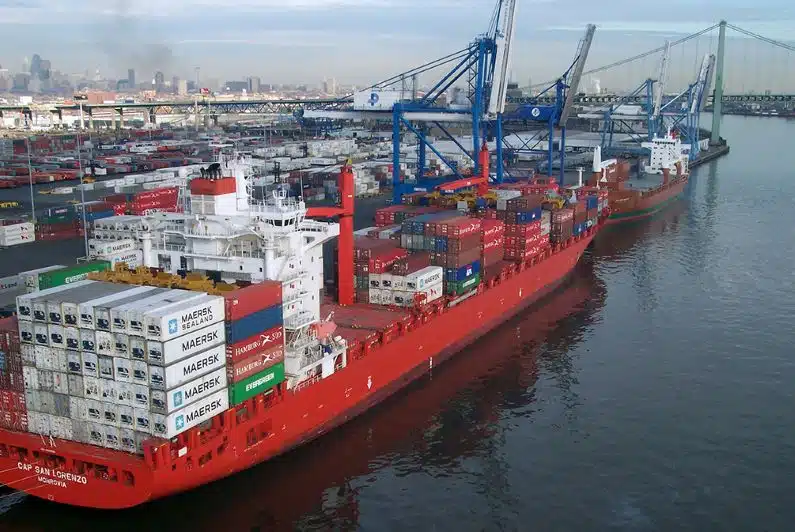
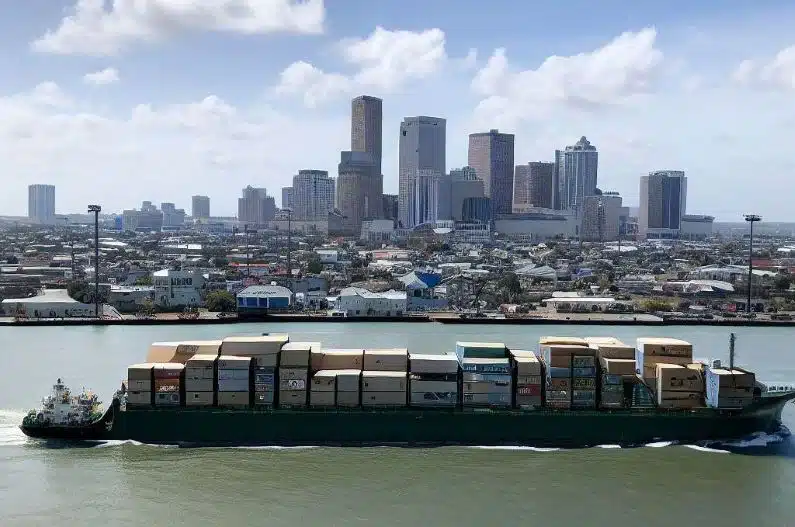
Depending on size and configuration, cargo may ship in containers, on flat racks, or as breakbulk. Smaller components may suit container shipping or LCL ocean freight when a full container is not justified. Larger units may move through breakbulk setups with engineered lifting and securement.
Customs Clearance and Import Controls
Efficient customs clearance is critical to avoid demurrage, storage charges, and project delays. Accurate documentation and tariff classification are essential at this stage.
Working with an experienced freight forwarder ensures compliance with Chilean customs authorities and smooth cargo release, especially when documentation must match packing lists, commercial invoices, and the bill of lading.
Inland Transport and Final Delivery
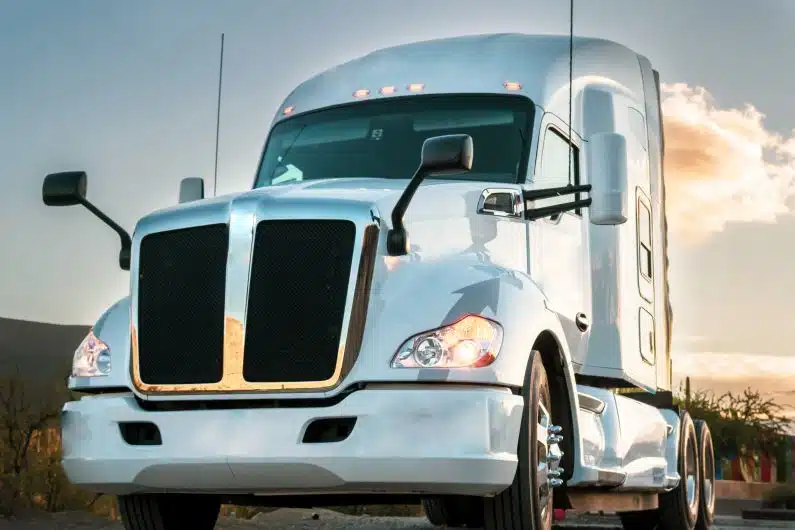
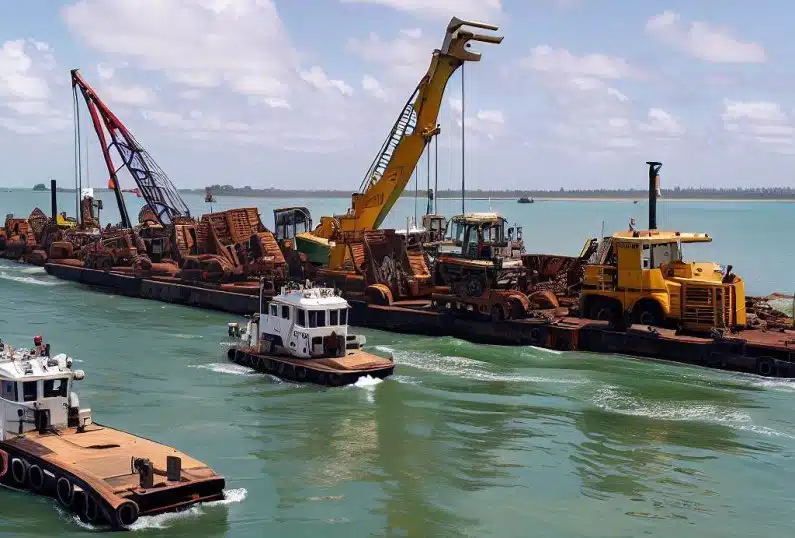
After discharge, machinery often requires inland transportation to mines or industrial sites. This may involve heavy-haul trucking, route surveys, and coordinated delivery schedules in challenging desert terrain. Inland routing is often planned in parallel with ocean routing so the final move does not become the critical path.
Why Shippers Choose Texas International Freight
Companies shipping to Antofagasta choose Texas International Freight for its experience in managing industrial, mining, and project cargo throughout Latin America, backed by end-to-end coordination across ocean, port, and inland legs.
Heavy Machinery and Project Cargo Expertise
The company specialises in oversized and high-value cargo for mining, energy, and construction projects, supported by tailored solutions across ocean freight and engineered planning through project logistics.
End-to-End Logistics Coordination
From engineering and freight forwarding to customs brokerage and final delivery, each stage of the shipment is managed within a single operational framework. Port handoffs and staging can be aligned with the same operational logic used in major US gateways such as the Port of Houston.
Regulatory and Customs Compliance
Continuous monitoring of international trade regulations ensures compliant shipments and reduces exposure to delays, fines, or cargo holds. Clear documentation and correct customs processing reduce friction at both origin and destination.
Client-Focused Logistics Solutions
Each shipment is structured around operational constraints, timelines, and cargo sensitivity. This approach applies equally to commercial freight and complex heavy equipment moves that require specialised handling and securement.
Shipping to Antofagasta Chile With Confidence
The Port of Antofagasta remains a cornerstone of Chile’s mining and industrial economy, supporting copper production, energy development, and regional trade flows.
Shipping heavy machinery from the USA to Antofagasta demands technical planning, regulatory expertise, and reliable execution. Selecting the right mode, from container shipping to breakbulk, can determine whether your equipment arrives ready for deployment or tied up in avoidable delays.
Texas International Freight delivers these capabilities through proven project logistics, ensuring cargo arrives in Chile safely, on schedule, and fully compliant.